A conversation with event planner Brian Ferrell
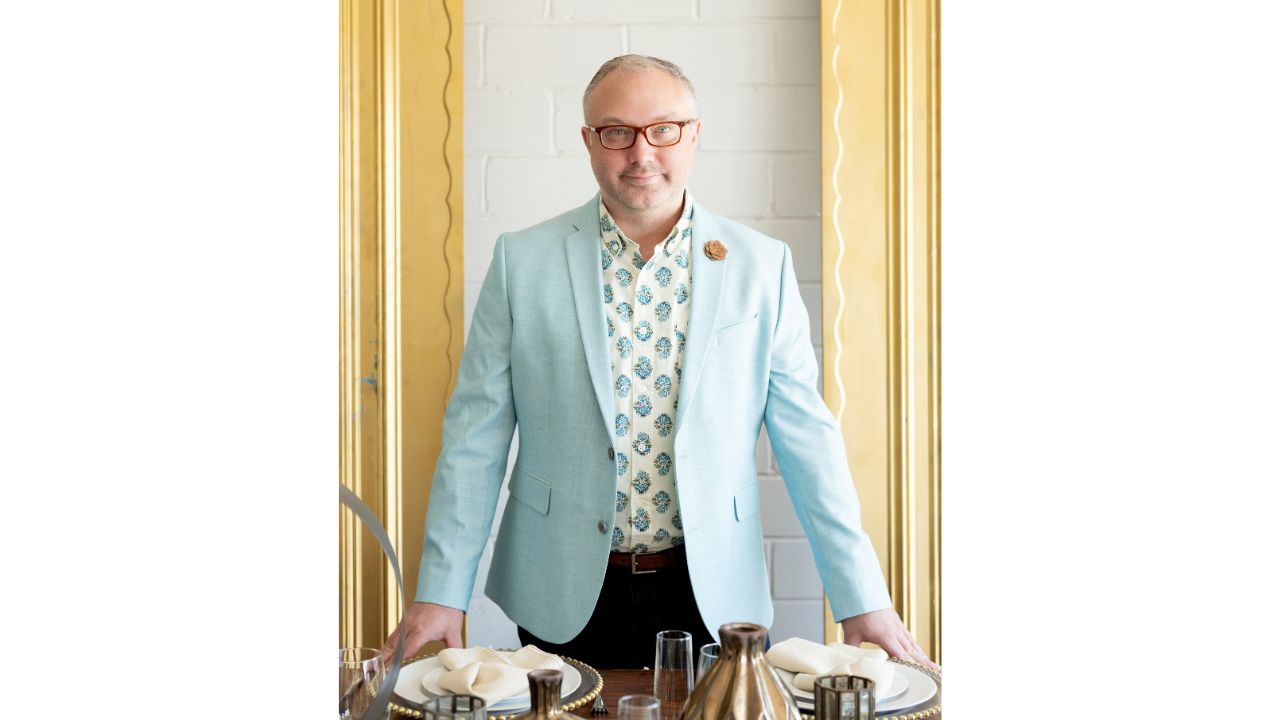
Brian Ferrell, CMP, DMCP, founder of factor 110 | Destination Oklahoma, 110 events, and Blue Circle Productions, has built a reputation for designing immersive, high-impact events and experiences that bring destinations to life through bold creativity and operational precision. Under Ferrell’s leadership, factor 110 became Oklahoma’s first and only accredited destination management company (DMC), earning international recognition. Ferrell continues to shape the industry through innovative event design, strategic partnerships, and a commitment to creating meaningful, memorable experiences.
Here, Ferrell shares how he and his team are leading the design and management of the Oklahoma Route 66 Centennial Celebrations—one of the country’s most ambitious, large-scale initiatives to celebrate “The Mother Road.”
What sets Route 66 in Oklahoma apart as a tourist attraction and historic landmark?
Oklahoma really is the heart of Route 66—we have more miles than any other state, and you feel that as you travel it. What makes it different is how real it still is. These aren’t just preserved landmarks; they’re places that people still live in, work in, and take pride in. You’ll find everything from neon diners and vintage motor courts to Native American cultural experiences and newer attractions, all along the same stretch of road.
It’s not overly produced, which makes it special. Every stop has its own personality, and that’s what resonates with visitors—especially groups looking for attractions and activities to help them connect with the destination.
How is Oklahoma incorporating the Route 66 centennial into curated group itineraries for conventions, meetings, and other events?
The centennial has given us a chance to think bigger about how groups experience Route 66. Instead of just seeing it, we’re designing ways for people to be part of it. That could look like cruising to dinner in classic convertibles, hosting events in historic spaces, or adding interactive moments that tie back to the era—like drive-in-style experiences with vintage candy and popcorn. On the culinary side, we’re leaning into things people associate with Route 66 in Oklahoma—fried onion burgers, chili coneys, and homemade pie—but presenting them in a way that still feels elevated. Signature moments tied to the centennial—such as Tulsa’s Route 66 Capital Cruise (an official Guinness World Records® attempt for the largest classic car parade) and evening drone shows illuminating the skyline—are being seamlessly integrated into programs, giving groups a front-row seat to history in the making. It’s a blend of nostalgia, scale, and Oklahoma hospitality that’s truly one-of-a-kind.
How are local communities, attractions, and DMCs collaborating to create cohesive Route 66-themed programs across the state?
Route 66 belongs to everyone—it’s shared, and people take pride in that. Communities, DMCs, and local partners are working together to make sure the experience feels connected from one stop to the next. At the same time, each place still brings its own identity—whether that’s the Blue Whale in Catoosa, POPS in Arcadia, or a Main Street shop that’s been there for generations. From a planning standpoint, it allows groups to build multi-city programs that flow. It doesn’t feel like a series of separate stops—it feels like you’re traveling a story.
What types of venues along Route 66 are being positioned for meetings, receptions, or offsite events, and how are they being adapted for group use?
One of the best parts of Route 66 is the variety of spaces we can use. We’ve got historic cafés and gas stations, museums like the National Cowboy & Western Heritage Museum, outdoor spaces, and even repurposed buildings with a lot of character. What we’re seeing is a thoughtful approach to making those spaces work for groups—adding what’s needed from a production and infrastructure standpoint without losing what makes each place unique. We’re also leaning into experiential formats—street festivals, outdoor receptions, large-scale activations, and elevated VIP experiences—where the setting becomes part of the story.
Apart from the centennial celebration, how is Oklahoma combining nostalgia with modern updates to design Route 66 experiences for today’s meeting attendees?
People still want the nostalgia, but they want to connect to it in a way that feels current. We’re keeping the core elements—classic cars, retro signage, and historic locations—and layering in modern production and experiences so the experience doesn’t feel dated. That might be through lighting, sound, or the overall design. We’re also making it more interactive, with barbecue smoked on site by local pitmasters, hands-on elements like custom postcards or screen printing, and small touches that guests can take as keepsakes. It’s less about recreating the past and more about using it as a starting point. At the same time, we’re also mindful of local sourcing, wellness, and overall guest experience. Route 66 gives us a great story—it’s a road for everyone—and our job is to bring that to life in a way that still feels relevant today.