Many corporate changes have become common since the pandemic, including working from home. A recent study finds 31 percent of employers in the United States are hiring only remote workers and projects that by 2025, more than 36 million Americans will work outside the office. With so many corporate employees spending more time alone—and many co-workers having never even met in person—it’s not surprising corporate meetings and events were among the strongest meeting segments to return post-pandemic. Zoom calls and hybrid meetings just don’t build teams, promote camaraderie, and foster positive corporate culture like in-person gatherings do.
“Corporate meetings are one of our fastest growing segments,” says Bob Harris, executive vice president of group sales for the Myrtle Beach Area CVB in South Carolina. “A lot of groups we work with want team togetherness right now. They are looking to break down the barriers and find ways to encourage employees to work more closely as a team.”
Renee Radabaugh, president and CEO of Paragon Events in Delray Beach, Fla., also is seeing a sizeable interest in in-person meetings come from corporate groups. “It’s really where we have seen the biggest push,” she says. “A lot more corporate clients are looking to bring their teams together—some with employees who have never met face to face and others trying to use gatherings to bring together different generations within their company. There’s no better way to create a sense of community.”
John Castino agrees. As senior director of Northwestern Mutual’s Restaurant Operations Meetings and Events, known as ROME, he manages a team responsible for planning nearly 1,000 meetings a year, and he says interest is high.
“It’s been really heartening because many companies aren’t having great attendance and great demand for their meetings,” Castino says. “That hasn’t been our experience. We’ve had extremely strong growth in that area. It’s amazing to see post-COVID because we weren’t sure what it was going to look like, but I think our people are genuinely happy to be back together.”
Meeting outside the box
While demand is back, the approach to planning corporate meetings and events has changed. Many corporate groups are committing later in the process and showing more flexibility, says Jennifer Clark, owner of Emerge Events in Hattiesburg, Miss. In addition, most no longer try to squeeze into small spaces, opting instead for rooms that allow attendees to spread out.
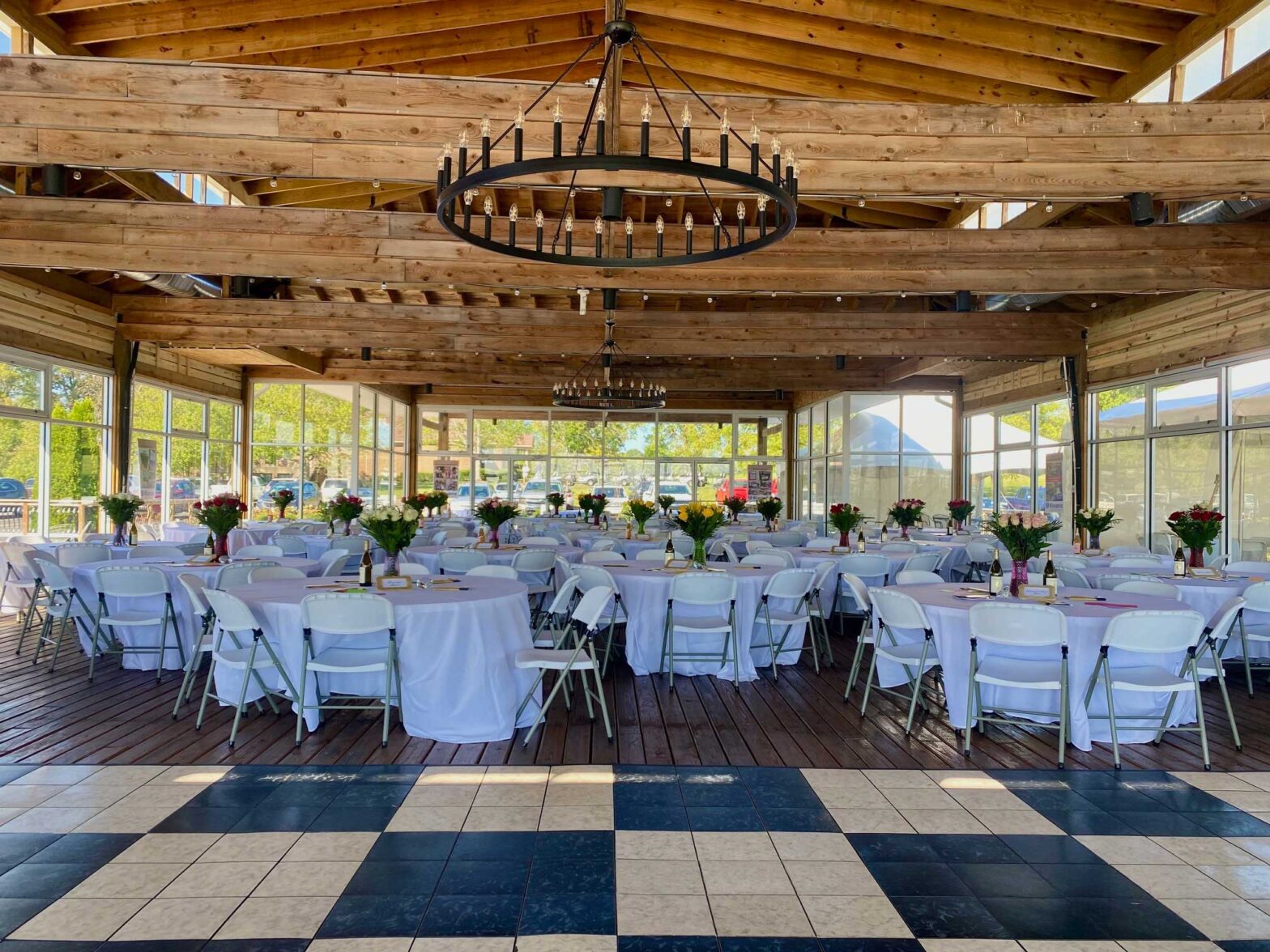
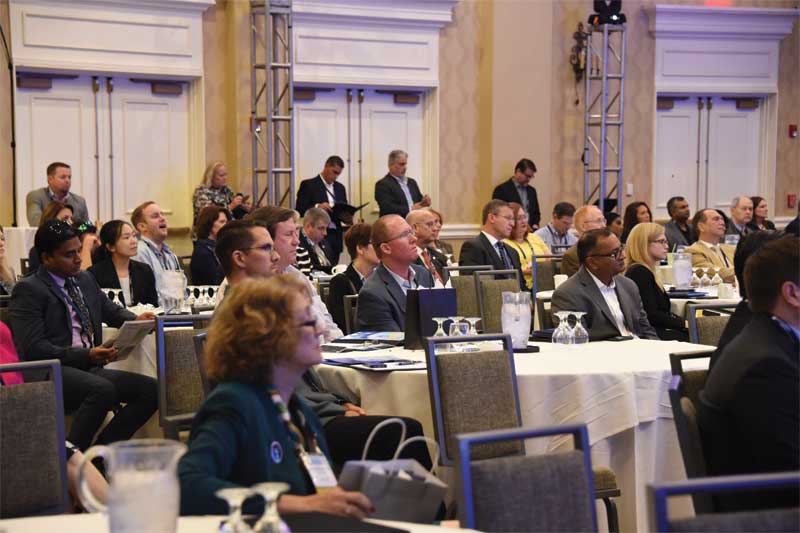
Harris concurs. “While so many planners have gone back to what they did before, corporate groups don’t want attendees as tight in a room as they used to,” he says. “We are not getting as many theater-style seating requests. Instead, we’re getting more classroom-style requests, and some are even doing rounds and half-rounds to give even more space between seats.”
Castino’s team is among those seeking larger meeting spaces, in particular those that allow more of an indoor-outdoor flow. “That never was a priority pre-pandemic,” Castino says. “Attendees today are much happier with outdoor spaces incorporated into the meeting space.”
Shifting focus
The focus of the meeting itself has shifted. Historically, content was king; now, another force has garnered agenda attention: expanded time for networking and relationship building.
“We’ve freed up some of the content delivery and left it much more open toward networking and just being together,” Castino says. “Networking has always been part of our agenda, but we’ve really listened to our attendees and focused more time on networking, which a lot of times took a back seat to content delivery. As we’ve found through the pandemic, it’s important to provide opportunities for people to network with each other and find common ground.”
Another change in corporate events is greater emphasis on the experience. Planners are working to create not only more exciting events, but also ones that encourage people to attend in the first place. “An event must have a compelling reason to get attendees to come in person now,” Clark says. “You must convince someone to leave home and put the effort into travel to the event. People’s expectations are different now.”
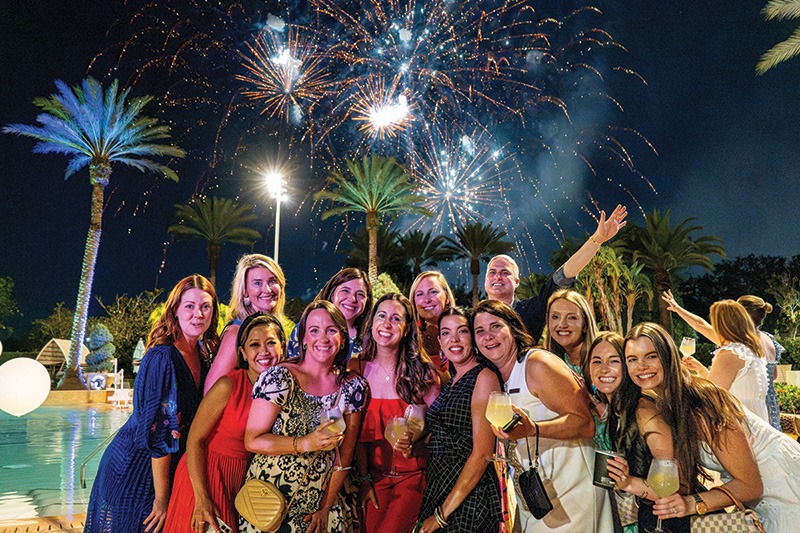
Expectations are higher. “Attendees don’t want to go plop down in the same old place and do the same old thing,” Radabaugh says. “Because they are coming out of being remote for so long, they want more of a ‘wow’ when they step out. That doesn’t necessarily mean a five-star hotel or fireworks. But it does mean that they see thought went into the experience, the destination, and the event itself.”
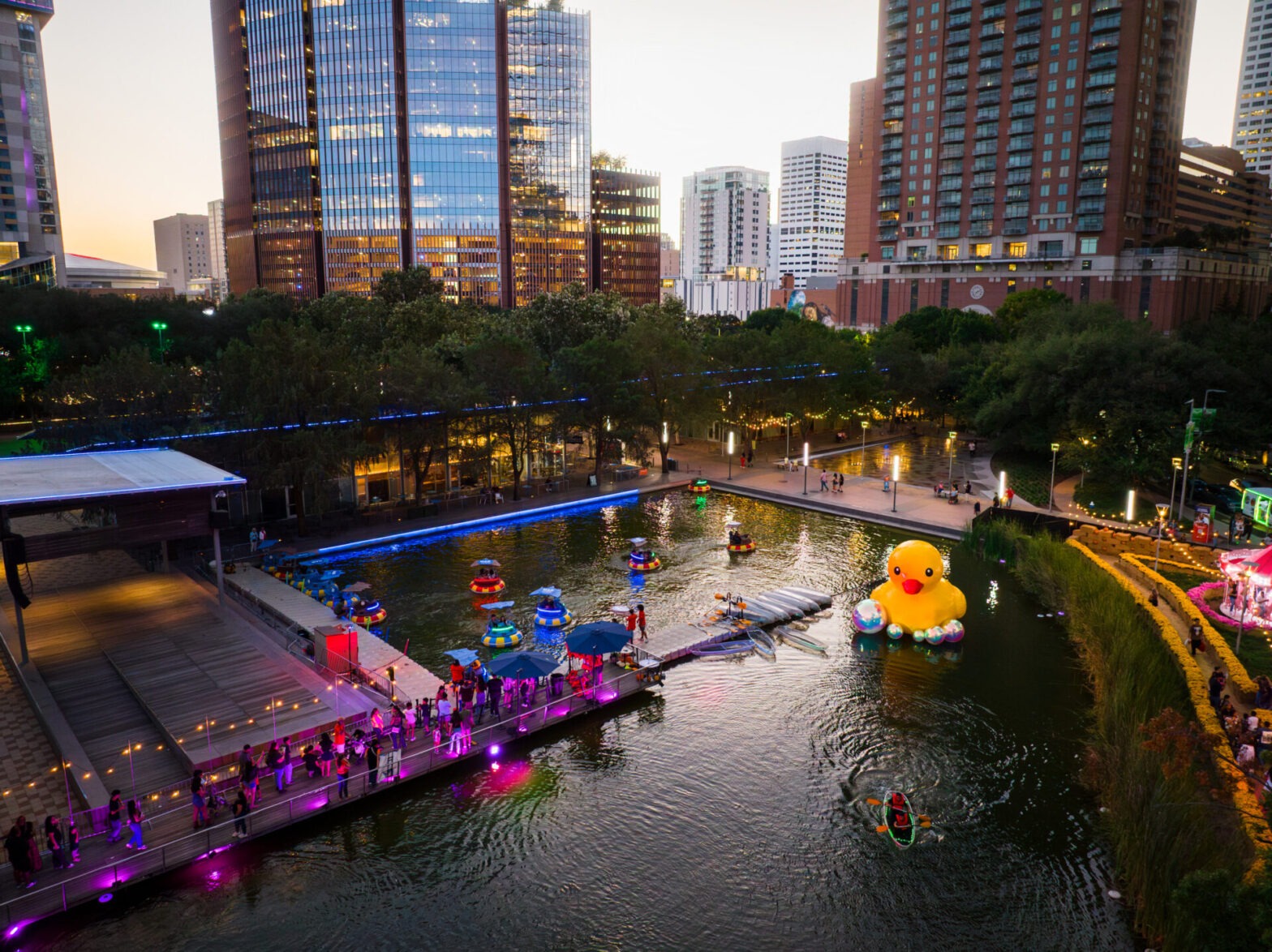
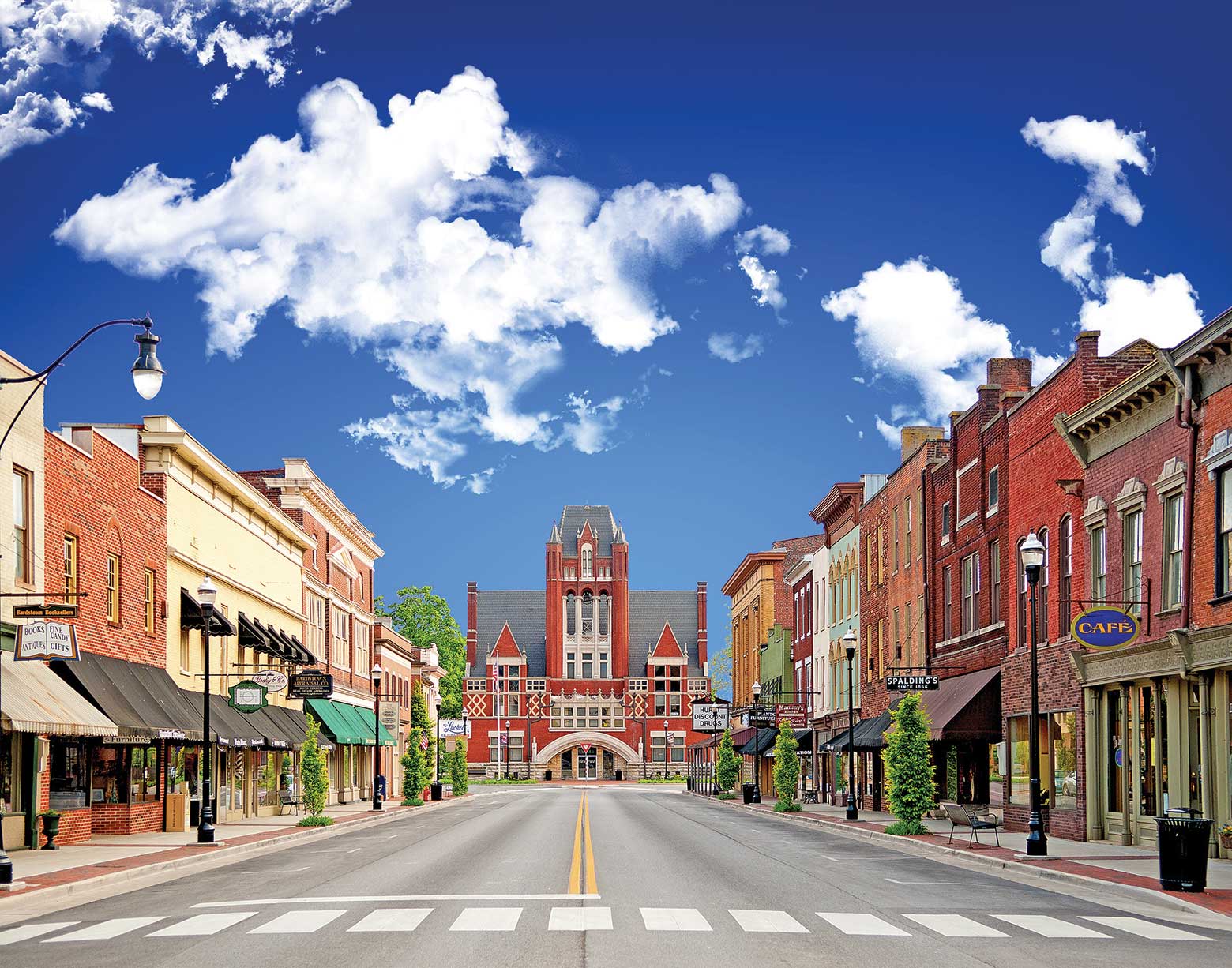
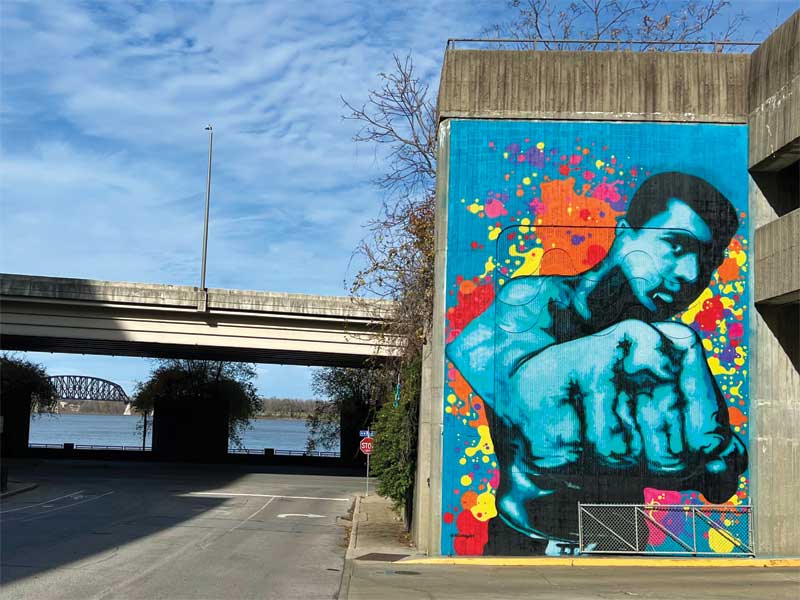
That is precisely the vision Castino and his team have. Instead of booking the same venues in the same cities, they are seeking new destinations that offer something different. “We try to outdo on the experience, looking for more of a niche experience that you can’t get in the same old city where you’re constantly trying to reinvent the same ballroom,” Castino says. “We hosted meetings in some major markets for nearly 30 years in a row. It was fine, but it became predictable, and as we look to better delivering value to attendees, it becomes more about giving them a reason to want to attend.”