Sometimes, you can’t beat a big city. With high expectations pushing planners to design can’t-miss events, many are looking to the benefits of urban destinations, from amenities and attractions to hi-tech and haute cuisine, large venues and lodging variety, multiple flights, and mass transit. These nine Southern metro centers are big on opportunities for planners to raise the bar.
Austin, Texas

The Texas state capital of Austin has a unique draw. The “Live Music Capital of the World” is said to be home to more live music venues per capita than anywhere in the United States—more than 200 of them are scattered throughout the city in diverse neighborhoods and entertainment districts, most famously 6th Street. Major annual events include Austin City Limits Music Festival and SXSW Conference & Festivals.
Adding to the appeal is its college-town atmosphere. As home to the University of Texas at Austin, much of the campus sits in the walkable downtown, including Moody Center, a new 15,000-seat multipurpose arena that has become a top producer of concerts, shows, and sporting events, says Steve Genovesi, executive vice president of Visit Austin. “It’s a state-of-the-art facility, and they are now entering into possibilities for groups to use it for meetings,” he says.
With new hotels and venues debuting—not to mention Austin-Bergstrom International Airport, which is less than 10 miles from downtown and has doubled its nonstop flights over the past few years—there are plenty of meeting options. Also of note is the ongoing redevelopment and expansion of the Austin Convention Center. Plans are currently underway to close and demolish the existing convention center and begin construction on a new center in 2025 with an opening date targeted for 2029, according to Visit Austin.
Charlotte, N.C.
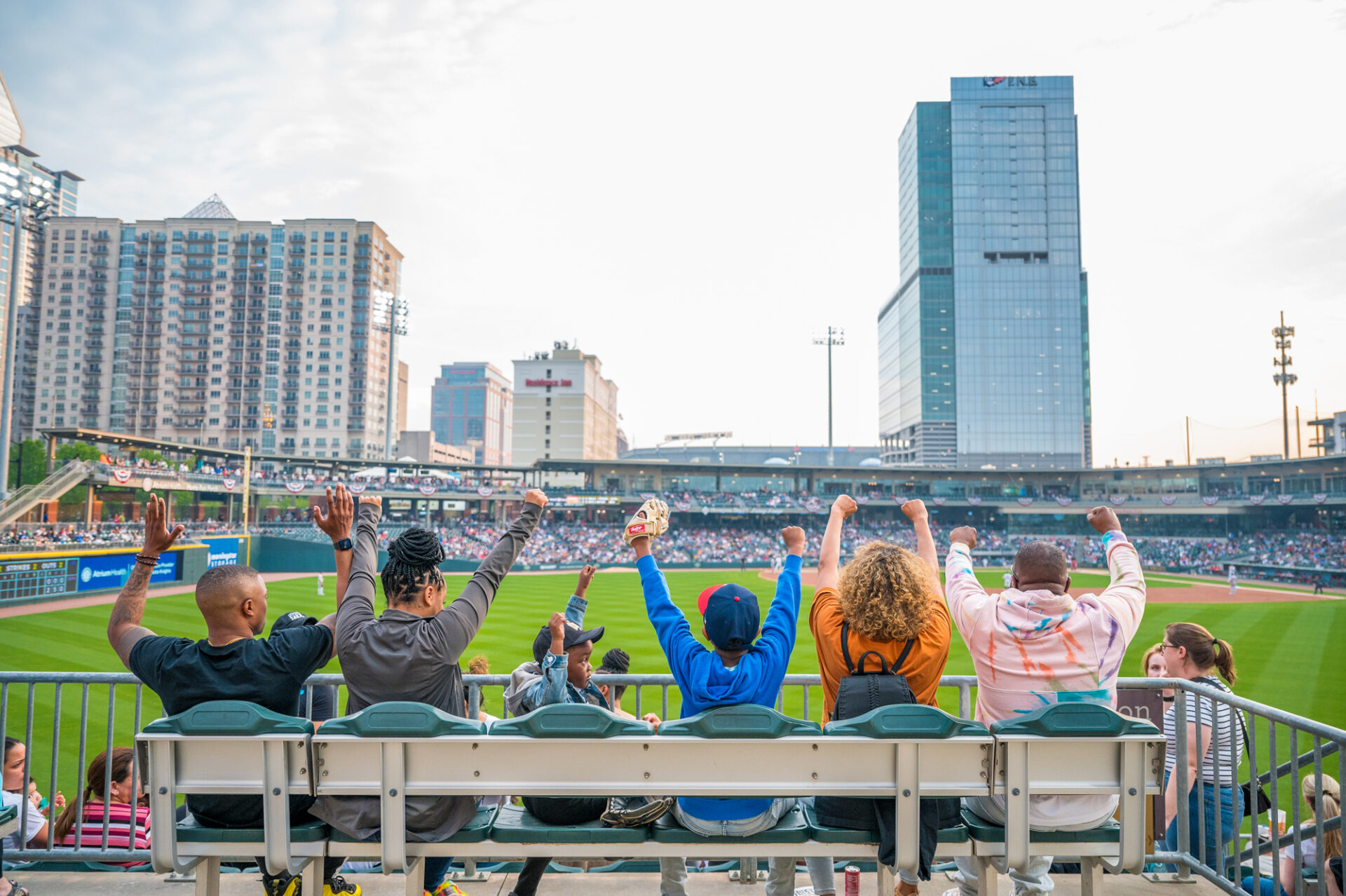
Charlotte has made a name for itself, being noted on lists of best cities for jobs, best spots to vacation with kids, and best places to retire. The Queen City is one of the fastest growing cities in the country.
The largest city in North Carolina, Charlotte is touted as the second largest banking center in the country and home to the corporate headquarters of heavy hitters such as Bank of America and Truist Financial Corp. Many Fortune 500 companies and the energy sector make their presence known in the city, notes Ned Blair, director of national sales for Visit Charlotte. “We have over 950 internationally owned companies that call Charlotte home,” Blair says. “That elevates experiences here and the many amenities we have to offer.”
Those amenities form a long list. In addition to easy access—Charlotte Douglas International Airport is a major hub and has been ranked the sixth busiest airport in the country—the city boasts Carowinds amusement park and the U.S. National Whitewater Center, a manmade whitewater river where groups can raft in Class II to IV rapids.
For sports fans, Charlotte is a dream, offering professional football, basketball, and soccer teams, as well as the NASCAR Hall of Fame, all within walking distance of the newly renovated Charlotte Convention Center. The center recently completed a $126.9 million expansion, which added 50,000 square feet for a total of 600,000 square feet of space, as well as adding a walkway that connects to the 700-room Westin Charlotte.
Huntsville, Ala.
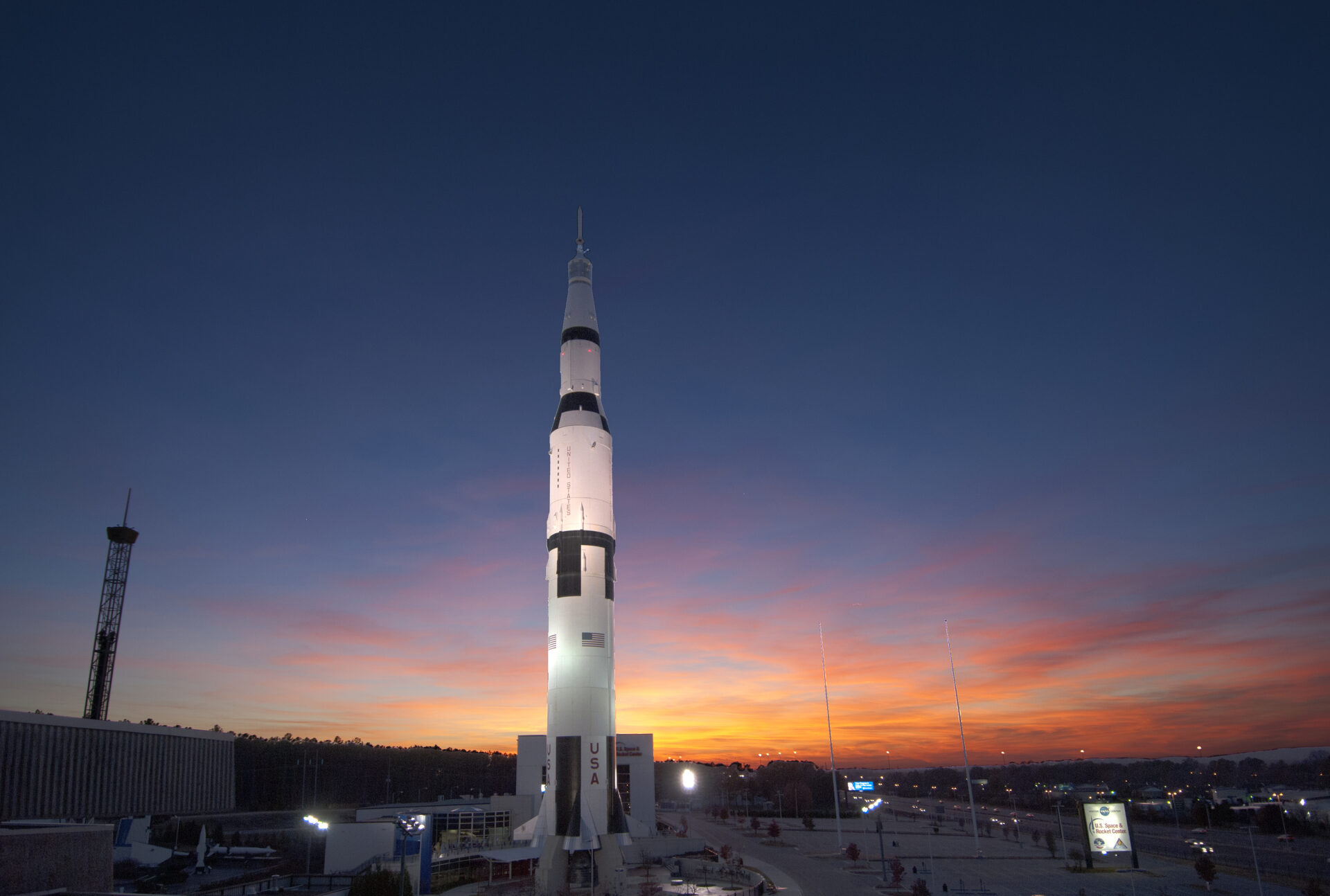
Huntsville has seen skyrocketing growth. The population of Rocket City, as it’s known, has outpaced Birmingham to become the largest city in Alabama.
The city is best known as the site where the Saturn V rocket that launched the crew of Apollo 11 to the Moon in 1969 was developed. Huntsville is home to the state’s most visited attraction: the U.S. Space & Rocket Center, which serves as the official NASA Visitor Center for the Marshall Space Flight Center. Other notable attractions include the Huntsville Botanical Garden, Huntsville Museum of Art, and Lowe Mill ARTS & Entertainment, which boasts it is the nation’s largest privately owned arts facility. “It’s a turn-of-the-century textile manufacturing mill that has been repurposed into a working artist studio with nearly 200 artists,” says Charles Winters, executive vice president of marketing for the Huntsville/Madison County CVB.
The city’s major meeting venue is Von Braun Center, which features more than 170,000 square feet of multipurpose meeting space. Situated in the heart of downtown, the venue connects by skybridge to the
295-room Embassy Suites by Hilton Huntsville and is within walking distance of numerous others. “Downtown, there are approximately 960 hotel rooms, with more under construction,” Winters says. “Overall, the county has 7,600 hotel rooms with another 1,400 under construction that should be online by the end of 2024.”
Huntsville is easy to navigate, Winters says. “You’d be hard-pressed to take more than 20 minutes to get from one area to any other,” he says. “The roads are well thought out, so it’s just easy to get around in Huntsville.”
Lexington, Ky.
The second largest city in Kentucky, Lexington delivers for meetings and events. It all starts with the Central Bank Center, which recently completed a $310 million renovation and expansion. The facility offers 100,000 square feet of contiguous exhibit space and 50,000 square feet of meeting rooms and ballrooms and is connected to two major hotels. The complex includes the 19,000-seat Rupp Arena and 900-seat Lexington Opera House. A new facade replaces the big-box look of the original 1976 building.
“It offers floor-to-ceiling windows to let in the light and views of the outdoors, and it’s an easy flow from all three levels,” says Marci Krueger-Sidebottom, vice president of sales and services for VisitLEX. “It’s easy to maneuver and not get lost.”
There are seven hotels and more than 1,200 guest rooms within walking distance of the center, with many others within a 10-minute drive. In total, Lexington offers 12 convention hotels that can host groups.
The downtown convention center also is within walking distance of 75 bars and restaurants, many of which are locally owned and feature local cuisine. “We have a nice flare of Southern cuisine and homestyle comfort food,” Krueger-Sidebottom says. “But we’ve also become very diverse in culinary offerings, so you’ll also find everything from Creole to Thai. We have a nice melting pot of cuisines.”
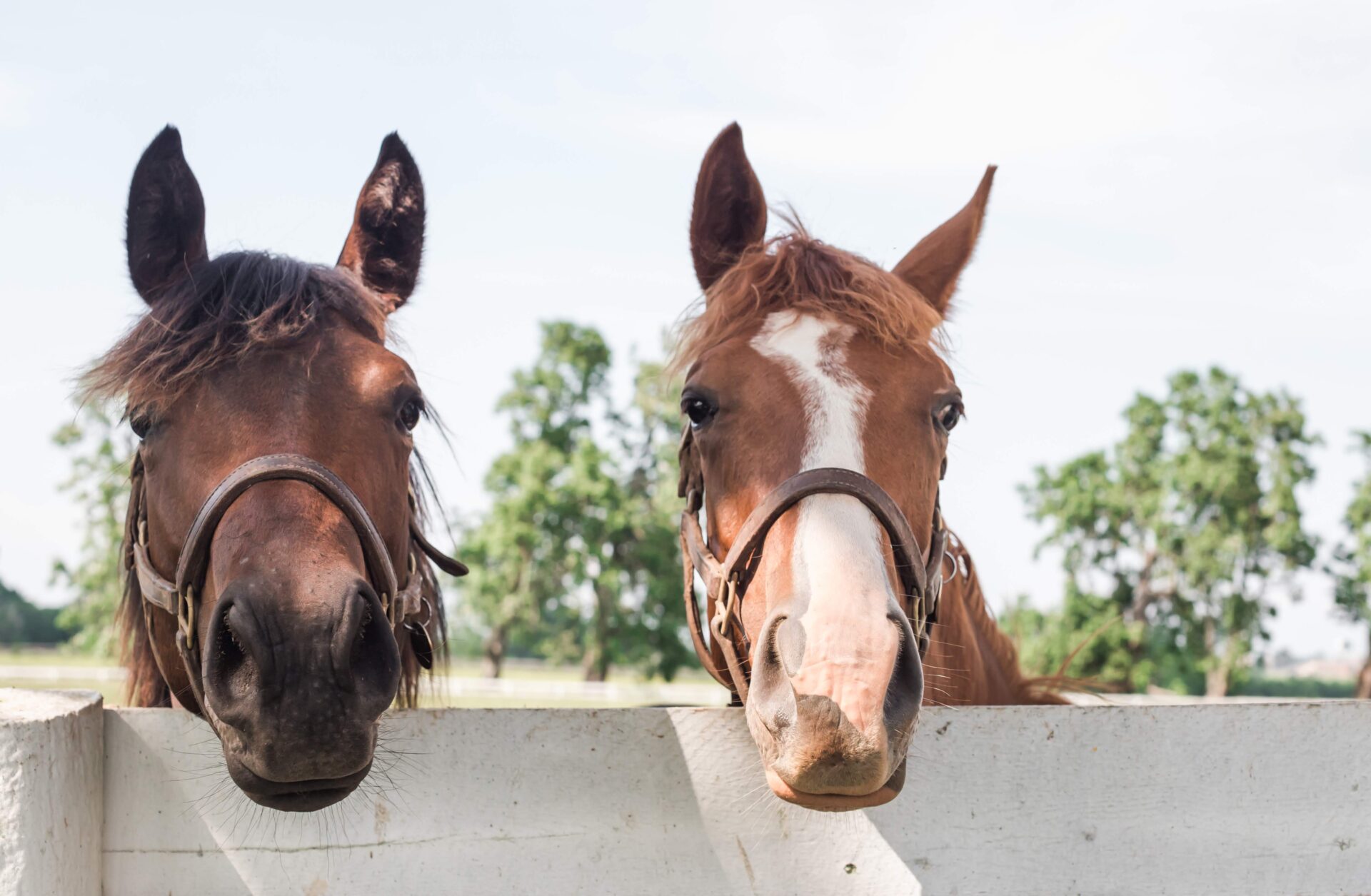
Beyond hotel and meeting accommodations, Lexington offers a variety of unique attractions. Touted as the “Horse Capital of the World,” the city is surrounded by 450 horse farms, many of which offer group tours. The area is equally well known for its bourbon, and a number of bourbon distilleries offer tours and tastings.
Memphis, Tenn.

Memphis is a city with soul. Not only does Tennessee’s second-largest city hold a prominent spot in music history, but it also has deep roots.
Memphis is home to Elvis Presley’s Graceland, which welcomes more than 650,000 visitors a year. Planners can take care of business in more than 17,000 square feet of meeting and event space at The Guest House at Graceland, which includes 450 guest rooms.
The musical theme continues on Beale Street. Called the “Home of the Blues,” the entertainment district offers live music every night of the week. “Beale is a great spot for people to experience Memphis,” says Lauren Berry, public relations manager for Memphis Tourism.
“If you seek to learn more about the city’s music history, you can tour Sun Studio, where you can learn how Elvis got his start and see where Johnny Cash recorded there. There’s also Stax Museum of American Soul Music and the Blues Hall of Fame and the Memphis Rock ‘n’ Soul Museum.”
The 300,000-square-foot Renasant Convention Center recently underwent a $200 million modernization and features natural light and Mississippi River views. The 600-room Sheraton Memphis Downtown Hotel connects to the center.
In addition to its music heritage, Memphis has the National Civil Rights Museum at the Lorraine Motel, the site of the assassination of Dr. Martin Luther King, Jr.; the iconic Bass Pro Shops at the Pyramid; the famed Duck March through the lobby of the classic Peabody Memphis hotel; and the newly renovated Tom Lee Park along the Mississippi River.
Oklahoma City, Okla.
Oklahoma City is where the old frontier meets the new frontier. The capital of Oklahoma is steeped in Native American history and Old West culture, yet it offers modern amenities and hi-tech venues.
Its past is evident at the new First Americans Museum, which celebrates the culture, history, and contributions of the state’s 39 distinctive First American Nations. In addition, the National Cowboy & Western Heritage Museum showcases art, history, and culture. There’s also the Oklahoma National Stockyards, which touts itself as the largest stocker and feeder cattle market.
Oklahoma’s largest city offers the 500,000-square-foot Oklahoma City Convention Center, a $288 million state-of-the-art facility that opened in 2021. The center is adjacent to the 605-room Omni Oklahoma City Hotel and the new 70-acre Scissortail Park and was designed to embrace the outdoors with terraces and natural light.
A short walk from the downtown convention center is Bricktown, a
former warehouse area that is now a happening dining and entertainment district. Groups can charter a water taxi along the Bricktown Canal or catch an Oklahoma City Dodgers Minor League Baseball game at Chickasaw Bricktown Ballpark.
The Boathouse District along the Oklahoma River features RIVERSPORT, where visitors can enjoy whitewater rafting, tubing, kayaking, ziplining, surfing on a wave simulator, and indoor skiing on an artificial surface. Teambuilding opportunities include dragon boats and rowing shells.
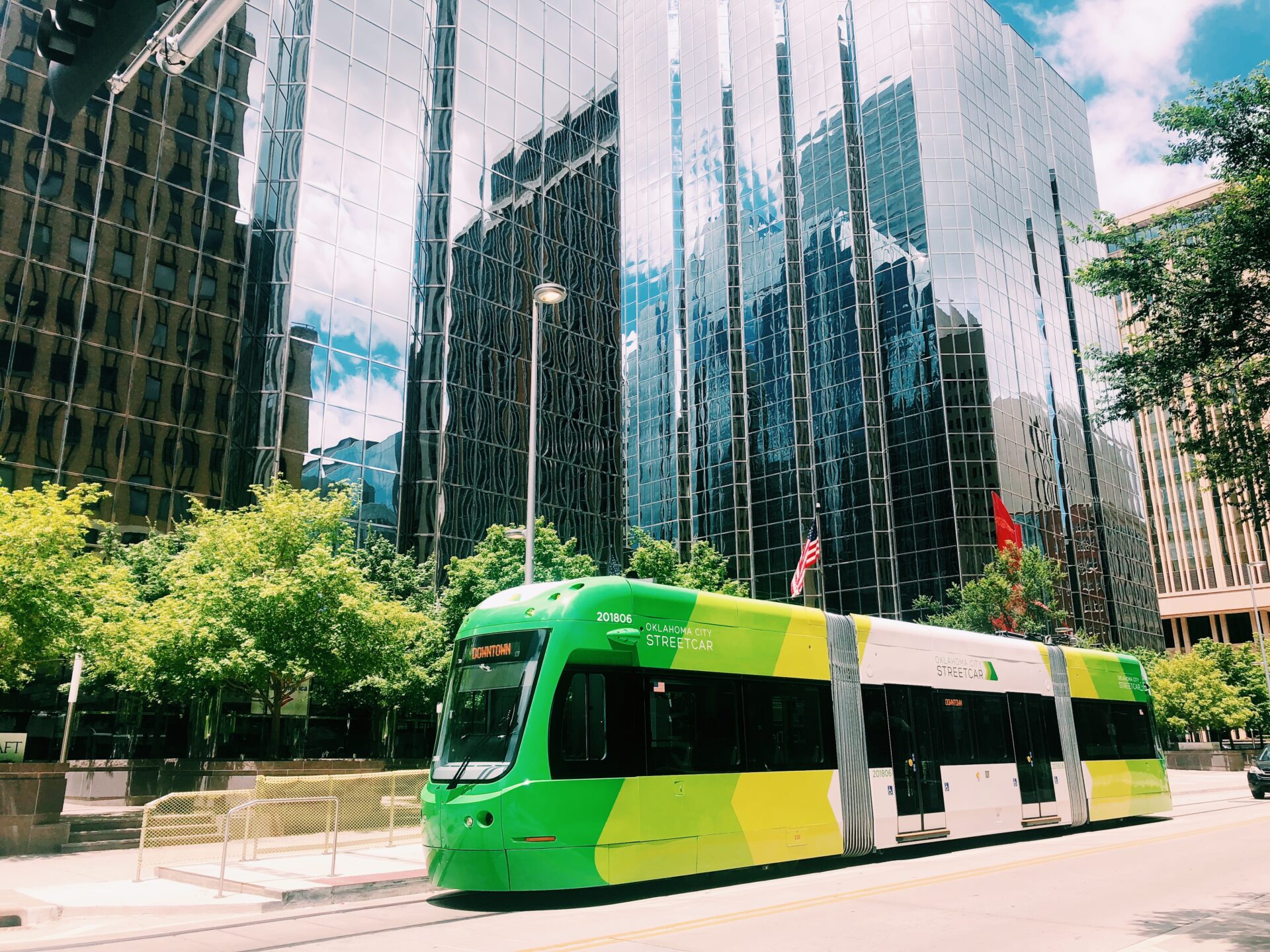
The Oklahoma City Streetcar is convenient and inexpensive. The transit system has a stop near the convention center, and the Downtown Loop connects to dining, shopping, and entertainment in several areas, including Bricktown, Midtown, Automobile Alley, the Arts District, and City Center.
St. Louis, Mo.
From sports and music to history and beer, St. Louis is a jazzy city. It is best known for the iconic Gateway Arch, a steel structure rising 630 feet along the banks of the Mississippi River. Visitors to the national park can ride a tram to the top of the nation’s tallest monument. For a different perspective, riverboat cruises provide spectacular views of the engineering marvel and the city skyline.
The downtown America’s Center Convention Complex sits within one mile of 7,500 hotel rooms and is currently undergoing a $240 million expansion project that includes adding a 72,000-square-foot exhibit hall. “Included in the expansion is building out a green space to allow groups to host events outdoors,” says Catherine Neville, vice president of communications for Explore St. Louis. “We expect to have the majority of the project wrapped up by the beginning of next year.”
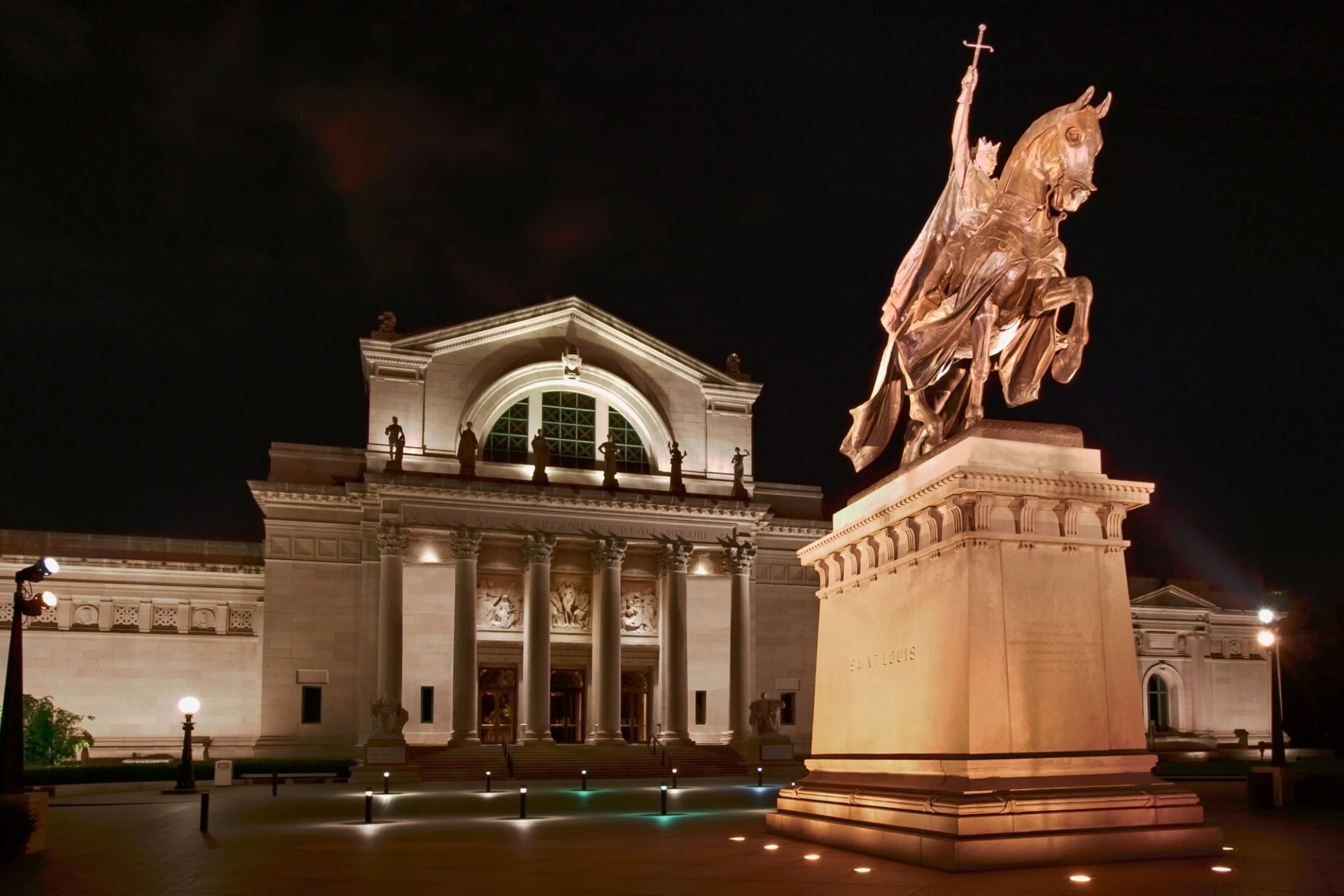
At 1,300 acres, Forest Park is one of the largest urban parks in the country. It houses a number of world-class institutions, including the Saint Louis Art Museum, Missouri History Museum, Saint Louis Science Center, and the Saint Louis Zoo. “It’s walkable, bikeable, and easy to get to with public transportation, and everything there is free,” Neville says.
Sporting events are a major attraction in St. Louis. The city is home to professional baseball and hockey teams and a new professional soccer team. There are plenty of unique dining and drinking experiences, including St. Louis-style pizza, toasted ravioli, and beer tasting at several craft breweries and the Anheuser-Busch Brewery.
Tampa, Fla.
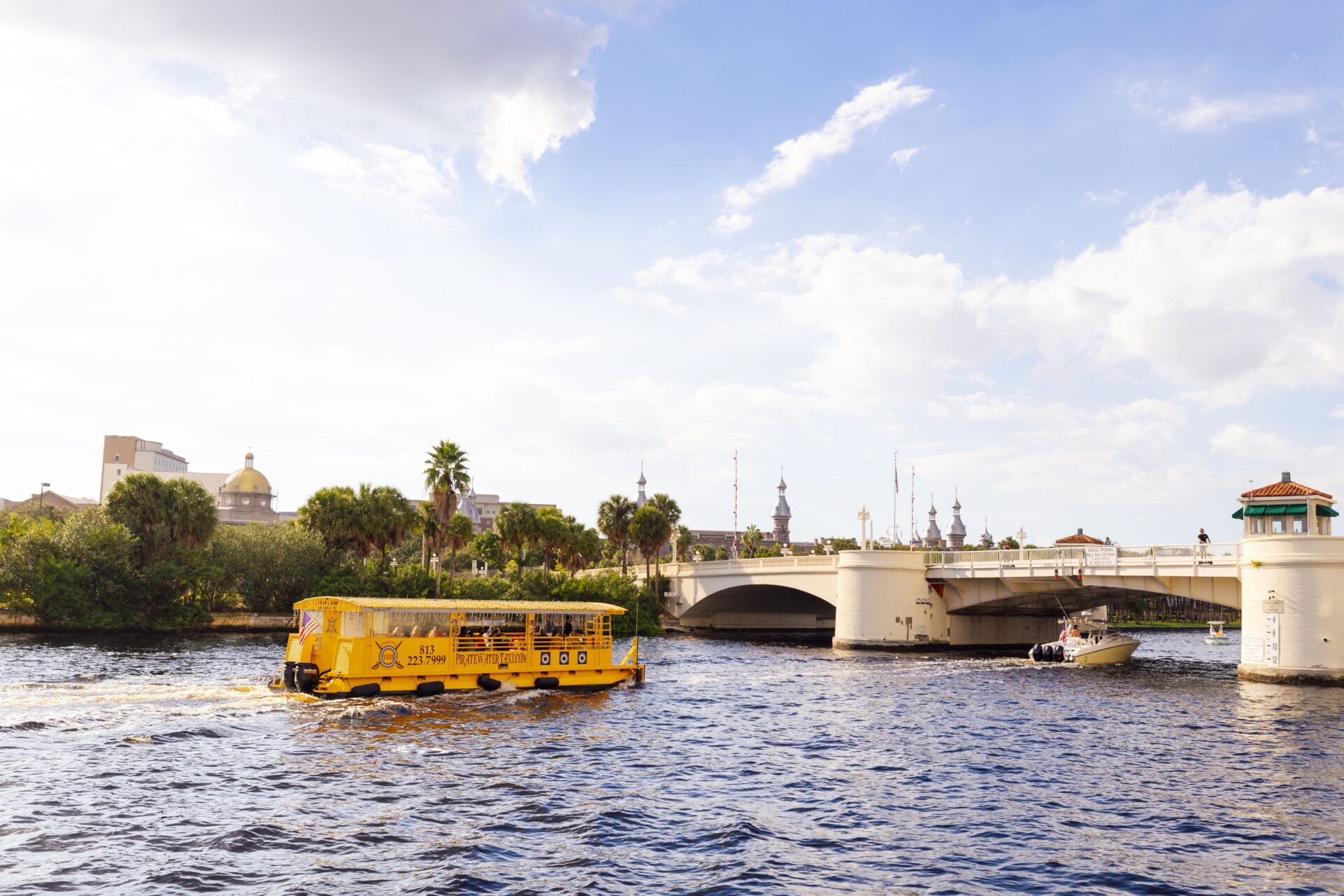
With an average annual temperature of 73.1 degrees, it’s no surprise Tampa is a sought-after destination for meetings and events year-round. Florida’s third most populous city is located on Tampa Bay, which leads to the Gulf of Mexico.
Tampa International Airport ranked No. 1 among large airports in the J.D. Power 2022 North America Airport Satisfaction Study. Air travel in and out of the city is easy, with nonstop flights to approximately 80 destinations around the world. Within the city, the TECO Line Streetcar System makes it easy and fun to get around.
The 600,000-square-foot Tampa Convention Center on the waterfront in downtown is at the tail end of a $44.5 million remodeling and expansion project that included adding a two-level 18,000-square-foot addition. The project is expected to wrap up this year, says Santiago C. Corrada, president and CEO of Visit Tampa Bay. “There’s so much around the convention center in the convention district, including numerous hotels,” he says.
Nearby, Water Street Tampa is a walkable area Corrada describes as “the only well-being community in the country.” The entertainment destination includes dining, shopping, hotels, The Florida Aquarium, and Amalie Arena, home to the Tampa Bay Lightning NHL team.
Other attractions include Busch Gardens Tampa Bay theme park, Adventure Island waterpark, ZooTampa at Lowry Park, and the Tampa Riverwalk, a 2.6-mile pedestrian path along the Hillsborough River that offers green space, museums, shops, and restaurants.
Washington, D.C.
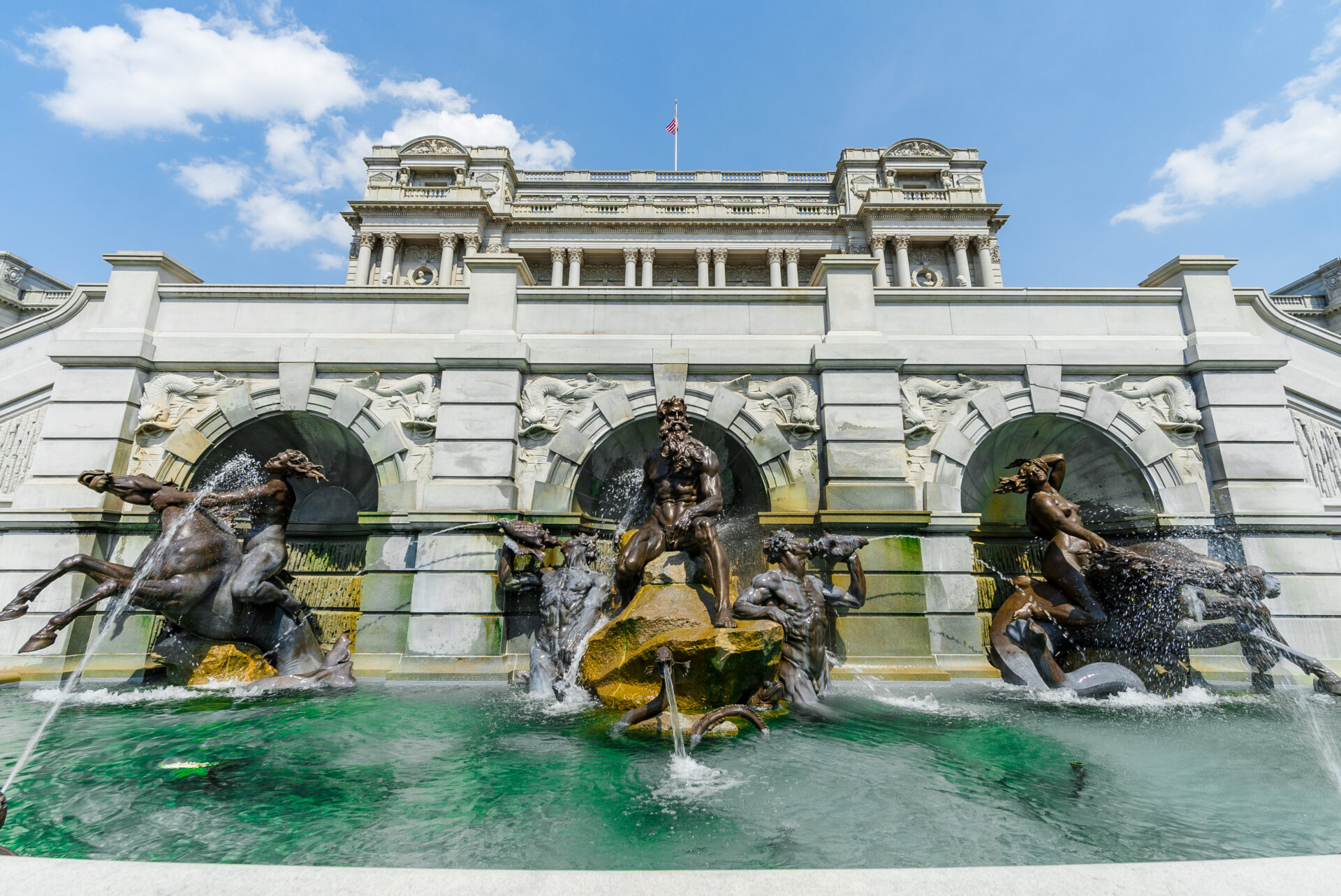
Washington, D.C., has a long history of hosting events and welcoming dignitaries from around the world. “Variety runs from high-level board meetings to large citywide conventions to internationally recognized events like the U.S.-Africa Leaders Summit and the 75th anniversary of NATO,” says Melissa Riley, senior vice president of convention sales and services for Destination DC. “Big or small, your event is valued and has a home in D.C.”
The nation’s capital has more than 130 hotel properties, and it’s constantly adding to the offerings, with eight new properties opening in the past year. Washington also provides a brain trust of expert speakers and serves as the headquarters for numerous associations and organizations.
Large meeting spaces include the 2.3-million-square-foot Walter E. Washington Convention Center and the Ronald Reagan Building and International Trade Center with 65,000 square feet of event space. “There are rooftop venues with landmark views, gardens for moonlit events, museums, and embassies to explore during a private reception,” says Elliott L. Ferguson, president and CEO of Destination DC. “The National Cathedral, Library of Congress, Kogod Courtyard, and the National Building Museum create a sense of awe and are unforgettable spaces for events.”
In addition to free world-class museums, monuments, and memorials, Washington boasts the Potomac River, a vibrant music scene, walkable neighborhoods, and an efficient public transportation system. “People always say they didn’t know D.C. had so much green space and national parks,” Ferguson says. “Running or walking on the National Mall, from the U.S. Capitol to the Lincoln Memorial, is a bucket list experience for many attendees. It helps that the National Mall is a short walk from dozens of hotels and the convention center.”