In an industry shaped by constant change, one thing remains consistent: Successful meetings and events are built on strong connections. As expectations rise and destinations compete more fiercely than ever for group business, the relationship between planners and the destinations they choose has taken on new importance. “I absolutely value my relationships with CVBs; they are my lifeline,” says Christa Hovis, chief event consultant at The Event Diva.
Beyond contracts and logistics, today’s meetings landscape is defined by collaboration, trust, and a shared commitment to delivering valuable experiences and creating memories that remain long after the closing session. “Planners today have a lot more on their plates—they’re expected to deliver bigger, better events with less time and more pressure,” says Casandra Matej, president and CEO of Visit Orlando. “That’s really changed how we work together. Now, planners lean on destination marketing organizations (DMO) not just for logistics but also for local expertise, creative ideas, and support in making their events stand out. Their need for help navigating the market and finding the right partners is a big reason our relationship keeps evolving.”
Redefining the CVB role
As CVBs adapt to planners’ shifting expectations, the relationship between CVBs and planners naturally evolves as well. According to Heather Pilcher, CEO and executive producer of Blue Spark Event Design, CVBs now have a better understanding of what event planners actually do. “The relationship feels much less transactional than it used to,” she says. “Whereas requests once centered on singular needs—‘I need one entertainer,’ or ‘I need a meeting room,’—today’s planners are designing full-scale experiences, and CVBs have adapted alongside them. While every CVB is different, there’s a clear trend toward being more consultative. Many CVB teams now approach events with a ‘Let’s solve this together’ mindset, which makes them feel more like collaborators than information desks. Honestly, it’s been a breath of fresh air.”
The collaborative approach, Pilcher believes, has been fueled in part by a new generation of CVB professionals with diverse backgrounds in events, hospitality, and production. Many CVB staff have experience in event planning themselves or have worked closely alongside event planners, allowing them to anticipate needs and prepare for different scenarios rather than simply react to issues as they arise. “CVBs are becoming stronger strategic partners,” Pilcher says. “They understand the language we speak and the nuances behind our questions; years ago, they
might not have. Their meeting education is deeper and more aligned with what planners actually need.”
CVBs act as event consultants in small and significant ways. Elyse Worthey-Harris, director of sales and destination services for Visit Athens (Ga.), recalls how a large, recurring statewide conference reshaped how they support groups. The event, primarily attended by students and teachers, relied on the CVB’s Passkey housing platform; still, attendees trying to secure large blocks found the booking experience frustrating. “Technically, our services are just to provide the portal for booking through Passkey and provide those rooms at a discount,” Worthey-Harris says, “but we wanted to improve the booking experience for them.” The CVB reexamined the entire housing process, breaking it down step by step to identify where users struggled with it most. According to Worthey-Harris, the CVB revamped the booking process to offer a more personalized approach for large groups. As she explains, a destination services manager now contacts teachers who need large room blocks in advance to complete the pre-booking before housing opens to the general public. The CVB also adjusted customer support hours to coincide with teachers’ schedules, which extended beyond normal business hours. “It took more than what we normally do as a CVB, but it resulted in a smoother, more successful experience—not only for that group but also for future group bookings,” Worthey-Harris says, noting that a planner’s perception of a CVB or destination can be shaped positively or negatively even before the event based on how well the CVB understands the client’s needs and how the CVB responds to issues.
From services to solutions
Event planners also have a broadening role. Today’s meeting planners are often managing tighter timelines, leaner teams, and rising expectations from both stakeholders and attendees. As a result, planners now expect more from CVBs—partners who not only provide logistics assistance but also help shape the overall experience, turning ambitious ideas into seamless, high-impact events. “A CVB can do things in their city that I can’t,” says Yvette Campbell, meeting broker for Meetings Made Easy, who shares about a particular CVB experience when searching for a large facility for a political event. “My CVB was strategic in helping me find a college that would be able to host that many people and then connect my client with the college to make the event happen,” Campbell adds.
Planners’ changing needs of CVBs involve more than sourcing meeting space. Today’s CVBs are increasingly called on to provide creative problem-solving when challenges arise—often tapping into CVBs’ own relationships with local partners. Local partnerships played a critical role in a large faith-based group in Galveston, Texas. Bryan Kunz, director of sales and services for Visit Galveston, recalls the planner struggling to secure an appropriate F&B vendor to meet their event needs. “By leveraging community partnerships, the CVB connected the planner with an off-season food program developed by the local school district,” he says. “The planner was thrilled with the solution, and the meeting ultimately benefited our community well beyond the hotel and meeting space impact. Not only did their food fulfillment provide off-season work for the Galveston ISD food service staff, generating some additional revenue for the school district, but this group also did several service projects in the community.”

Risk management is another area where planners increasingly lean on CVBs for guidance, particularly in destinations facing unique external pressures. “These days, in some destinations more than others, a lot of the focus is now on risk management,” says Melissa Riley, senior vice president, convention sales and services, for Destination DC. In Washington, D.C., the occasional government shutdown can present unique and unforeseen challenges to events booked well in advance. In such situations, Riley says Destination DC works proactively with planners to mitigate everything from attrition concerns to last-minute program disruptions—an approach that proved critical when a financial and insurance conference was scheduled to meet during a shutdown. Just one week out, the Smithsonian’s National Museum of American History—a federal building—was no longer viable for the group’s opening reception. The team at Destination DC quickly pivoted to identify another venue that met availability, budget, and needs, ultimately relocating the event to the International Spy Museum, an independent, nonprofit organization. “We had to provide peace of mind and help them communicate to delegates that everything would be okay—that the city is still open, even if the government isn’t,” Riley says.
Even 10 years later, one experience still stands out vividly for Trevor Mulholland, chief event officer at Beyond Fourth, continuing to shape how he views CVB support. The client wanted to recreate the Friends intro for their conference kickoff video—fountain, couch, and all. “It felt impossible without having established relationships throughout the city,” Mulholland says, “but the local CVB stepped in, making calls and leveraging connections. They made everything come together.”
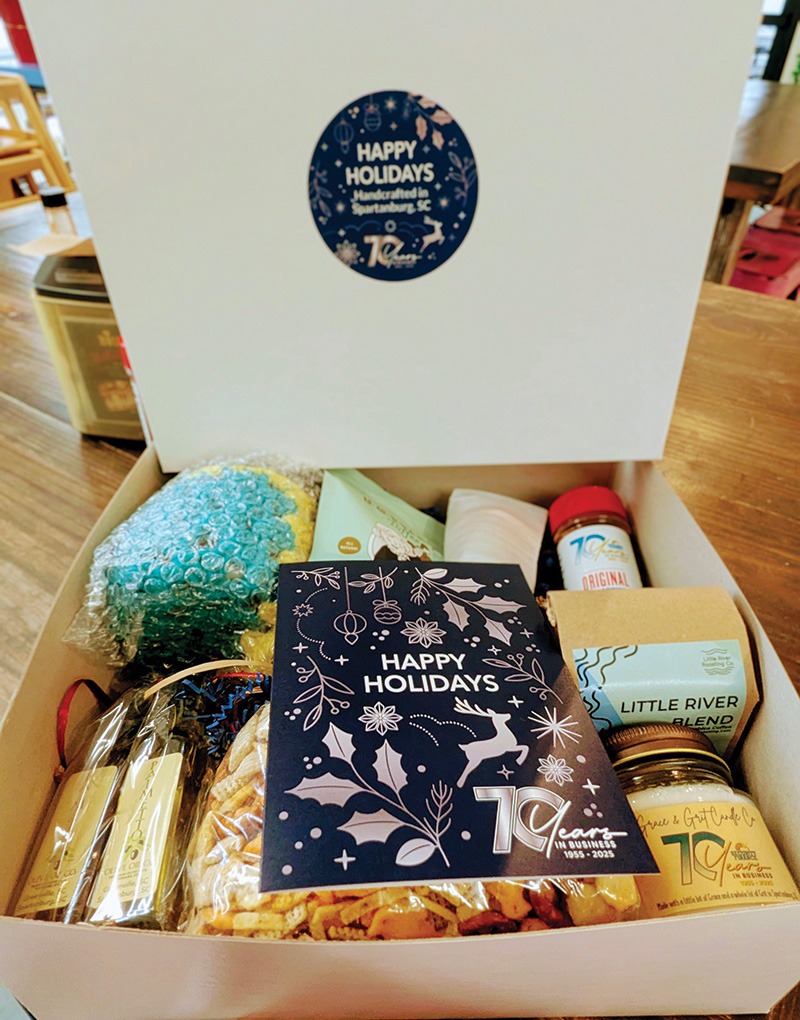
For Hovis, having a strong CVB relationship made a last-minute project possible, just 30 days before the scheduled event. “Using my successful relationship with the CVB where the client’s recent national conference was held, I was able to identify and connect with key vendors and suppliers that were partners of the CVB to fast-track a design and project plan,” she explains. With their support, she coordinated with more than eight artisans and vendors to create a custom-curated gift box, complete with unique branded elements and luxe packaging. “It was incredible to have that support in place when the timeline was so tight,” she adds.

Foundations of collaboration
Building the type of relationship that allows CVBs and planners to move quickly, solve unexpected challenges, and deliver seamless experiences doesn’t happen overnight. It requires effort, time, and an honest desire to understand and support one another—all of which start with open and collaborative communication, according to Matej. “It’s about working together from the very beginning, sharing ideas, and having open communication regarding their goals and challenges,” she says. “When both sides communicate honestly and listen to each other, it leads to creative solutions and better outcomes for everyone. Our team has cultivated amazing relationships with our clients by continually listening to them so we can remain current on trends and skills, as their needs are always evolving.”
Kunz echoes the importance of open and honest communication. “As in most relationships, open and honest communication is key to success,” he says. “Success comes with listening to clients, anticipating their needs, and being honest with each other about requests, timelines, and deliverables.”
CVBs stress honest feedback throughout the planning process and after the event. “We encourage planners to give us honest feedback about their experience in the planning phase, during the actual event, and after the event,” says Worthey-Harris. “We truly take it to heart, using that feedback to guide our next move, how we promote ourselves, and how we run all of our services. Having an open, honest relationship with planners is incredibly helpful.”
Keep the connection alive
Strong partnerships don’t end when the final session wraps or the last attendee departs. The relationship between CVBs and planners should continue to grow in the weeks and months afterward through ongoing conversations, helping to identify strengths to build on and gaps to address for the next event. “Staying connected after the event and laying the groundwork for future opportunities factor into successful longer partnerships,” Kunz stresses.
Worthey-Harris believes keeping the momentum going is the responsibility of the CVB. “A CVB needs to follow up and nurture the relationship, making sure the planner knows that just because the event is over, we aren’t gone,” she says. “We want the planner to know that we still consider the CVB as a part of their team. We want them to come back and have an equally good experience—or even better—next time.”

Maintaining the connection doesn’t require grand gestures or constant check-ins. In many cases, simple touchpoints make a big impact. “It doesn’t have to be every day or week or month,” Hovis says. “It could be reconnecting at a conference—showing the genuine interest to catch up if you’re attending the same event.”
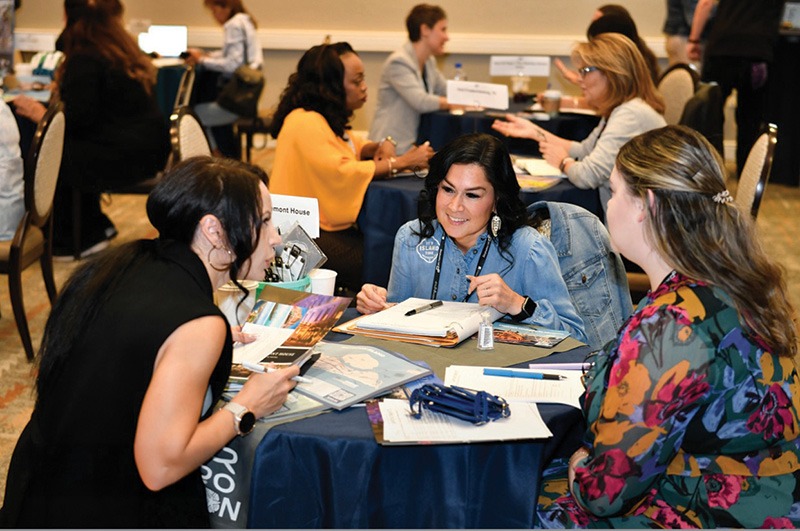
While large industry events have their place, many planners value the intimacy and accessibility of smaller conferences, where real conversations can happen. “I’m all about individual relationships,” says Campbell. “I like it when CVBs attend the smaller conferences so they can have one-on-one meetings with planners like me or invite a small group to a breakfast so we can chat individually with them.”
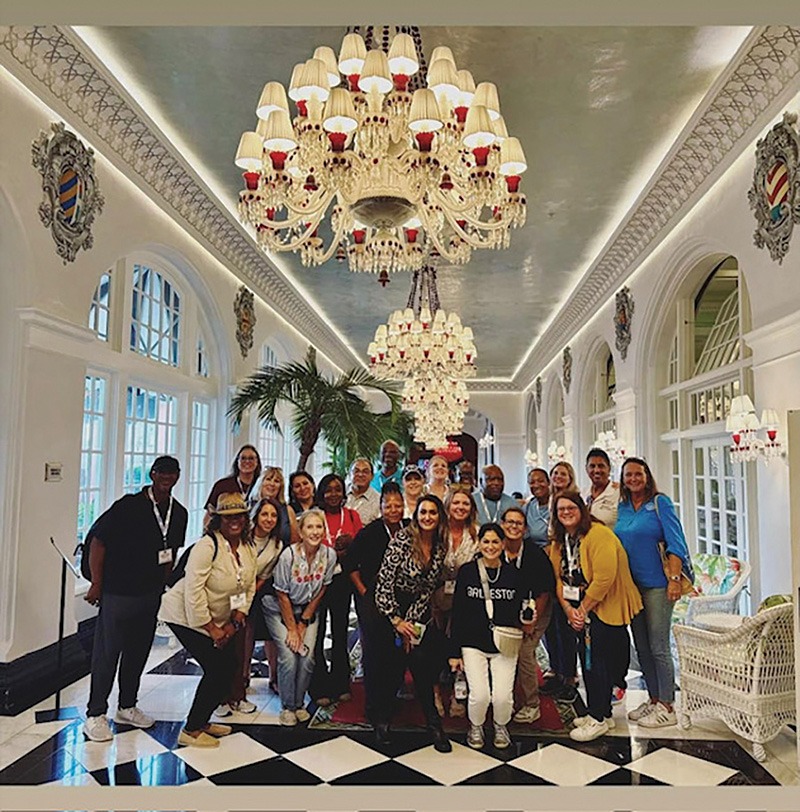
Such intentionality includes FAM tours or personal invitations for planners to see and experience destinations themselves. “I love when CVBs invite planners to their cities,” says Campbell, noting it’s especially nice when the tour invitations aren’t tied to a specific event prospect but instead focus on spending a day or two with the event planner, letting the planner experience all the destination offers. Campbell adds, “Every familiarization trip I’ve done, I’ve booked in that city afterward.”
Another way CVBs can maintain relationships with planners is by keeping planners in the loop about timely updates—whether it’s a new hotel opening, a virtual site tour, or a notable change in the destination. “I know it can’t happen all the time, but keeping planners in the loop of what’s happening in your city is really valuable,” Hovis says. “Don’t just rely on a generic newsletter that goes out. Reach out with a quick email or call to share something important that’s happening. Planners appreciate that, and you never know how that may spark something.”
Technology has made it easier than ever for planners and CVBs to connect and communicate. “Social media and LinkedIn have made it easier to connect,” Campbell says. “Watch their posts and comment on them. It makes both parties feel good.”
Maintaining connections consistently, beyond the immediate push to bring a meeting to town, creates authenticity and trust. “It’s about continual touchpoints—not just working with a person when you have business, but also working with a person when you don’t have business,” Campbell says. “The more touchpoints I have with a CVB, the more we get to know each other. I am more likely to encourage clients to book in cities where I have a good relationship with the CVB, because I know the CVB will take care of the event planner and the event attendees