A conversation with Annette Gregg of SITE

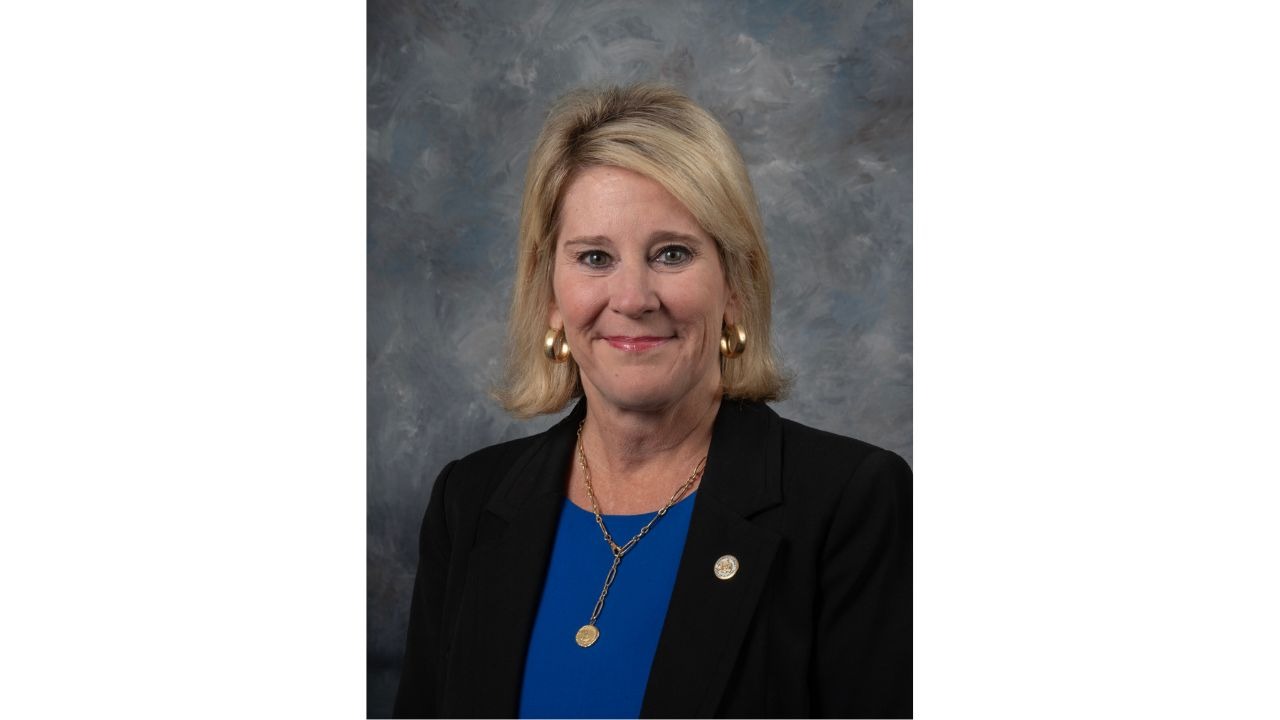
SITE (Society for Incentive Travel Excellence) is the only international business events association dedicated exclusively to incentive travel, with more than 3,600 members across 90 countries. CEO Annette Gregg serves both SITE and the SITE Foundation, leading the organization’s global strategy and working closely with boards, staff, chapters, and members to advocate the business case for incentive travel. Here, Gregg shares how SITE’s research, expertise, and international community support the incentive travel market and deliver practical value for incentive professionals—and reveals the trends shaping U.S. incentive travel.
How does SITE assist event professionals with incentive travel planning?
Our members include corporate buyers, incentive agencies, destinations, DMCs, hotels, and other specialist partners. SITE supports event professionals at every stage of their careers through practical education, professional certification, industry events, and access to a global community of incentive travel experts. SITE’s Learn Hub, webinars, events, and qualifications also help professionals develop their knowledge in such areas as program design, budgeting, risk management, sustainability, and participant experience.
Research is another important part of our support. Studies, such as the Incentive Travel Index and our Pulse inSITEs, help planners understand changing expectations and market conditions. We turn those insights into practical guidance to help professionals create incentive programs that motivate participants and deliver measurable value to their organizations.
What are the most important factors currently influencing U.S. incentive trips?
Geopolitical sensitivity is having a greater impact than general industry conversation might suggest. Among U.S. respondents, only 4.4% say their booking behavior has not been materially affected by geopolitical sentiment in the past 12 months.
Among the remainder, 16% have removed a destination from a shortlist, 16% have conducted additional risk assessments, 9% have relocated a confirmed program, and 8% have substituted a domestic or regional program for an international one.
How have trends in U.S. incentive trips changed the most in recent years?
One of the most striking findings is that the vast majority of U.S. respondents say they are increasing their use of new destinations. Resort and all-inclusive resort destinations are both rising, while urban destinations continue to fall. Domestic and shorter-distance programs are also trending upward.
Trends for the U.S. as a destination remain positive, with 75% of respondents planning to use U.S. destinations either the same frequency or more than in previous years.
Program formats are also changing. Nearly 50% of U.S. respondents agree that shorter, more intense experiences are the future.
How are planners balancing clients’ budgets with attendees’ expectations for exclusive, luxurious incentive experiences?
Recent data suggests planners are maintaining program quality rather than making significant upgrades. They are meeting expectations in how they design the program, rather than simply increasing the overall budget.
Average per-person spend by program type among U.S. respondents is a median of $8,000 for Presidents Club/highest-tier programs and $4,700 for broad participation programs.
Looking at budget strategy, more than 50% of U.S. respondents say they are matching inflation—spending more per person but delivering a similar program—while 28% are trimming programs, and only 16% are actively improving programs. That balance changes somewhat by 2028, when 24% plan to improve their programs. This suggests upgrades may be delayed rather than abandoned altogether.
The budget breakdown also helps explain the pressure planners face. Hotels and airfare consume 46% of the average program dollar, while experiences and activities account for only 10%. As a result, planners are maintaining quality at the hotel and air level while keeping experiential spending under tighter control. Free time, cited as the most important activity by 68.3% of U.S. respondents, and cultural or sightseeing experiences, cited by 65.2%, often can be delivered at a lower marginal cost than highly structured luxury events. That could explain how planners are maintaining the perceived value of programs without proportionate budget increases.
How are multigenerational preferences impacting U.S. incentive trips and trends?
The most important finding is that incentive travel remains highly motivating across every working generation. In SITE and Maritz’s study of U.S. employees, 61% described individual travel as “extremely motivating,” while group travel ranked second-highest, at 50%. Both outperformed cash and the other reward types.
The differences are less about whether each generation values travel and more about what makes the experience work for them. Gen Z (13%) dislikes group travel or traveling with colleagues, compared with 6% of Millennials and 7% of Gen X.
This does not mean creating a separate trip for every generation. It means designing one experience with enough choice, flexibility, and meaningful recognition to connect with a multigenerational workforce.
*Statistics are based on publicly available data, internal SITE research Pulse surveys, and joint projects with Maritz, IRF, and MPI.