International festivals celebrate America’s melting pot of cultures. Whether the mood calls for sampling German beer, dining on an Italian feast, soaking in Scottish heritage, mamboing to mariachi music, or tangling with sumo wrestlers, you’ll find it at events throughout the South. Fall is a particularly popular time for fairs and festivals, but such celebrations take place year-round, adding flavor to meetings and satisfying attendees’ craving for authentic experiences. Here are some highlights of festivals that invite visitors to explore the variety of ethnic roots in Southern communities.
Greece in Arkansas

Opa! Avid festival goers describe the gyros at the International Greek Food Festival in Little Rock, Ark., as the best outside of Greece. Annunciation Greek Orthodox Church hosts the festival that’s been a tradition in the state capital for more than 35 years and is said to be the largest ethnic festival in Arkansas. The food, prepared by volunteer cooks, highlights the culinary traditions of Greece, Armenia, Georgia, Russia, Romania, India, and the Middle East—all part of the church’s heritage.
“The things people love are the entertainment and the food,” says Jerry Horani, a past organizer of the event.
Even the pandemic could not stop the popular event, which transitioned to a drive-through event in recent years. Plans are for the festival to return next year as a full-fledged event. The festival will offer authentic foods, Greek coffee, and Greek dancing. The family-friendly festival is tentatively scheduled for September 2024.
Proceeds from the festival benefit nonprofit organizations that serve children, families, and communities throughout central Arkansas. To date, festival organizers say they have donated more than $1.5 million to more than 30 charities.
Latin America in Georgia
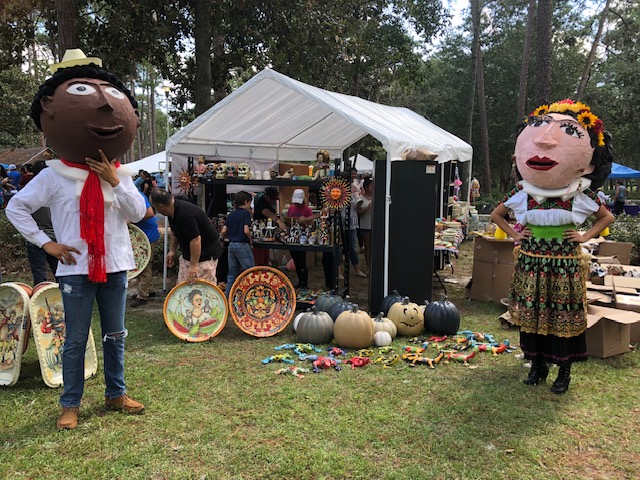
There’s no better way to celebrate National Hispanic Heritage Month than La Fiesta del Pueblo. Billed as south Georgia’s largest Hispanic festival, the event celebrated its 25th year last month. The free one-day festival draws about 11,000 people annually and brings the taste, sound, history, culture, and traditions of Latin American countries to Tifton, Ga., about an hour north of the Florida border.
“People want to show their culture, and that’s what makes this so popular,” says festival co-founder Dina Willis. “People are so interested in seeing the culture and the dancers, and we always bring in a mariachi band.”
The family-friendly event is packed with Latin music, folkloric dancers from Peru and Mexico, arts and crafts, authentic food, a parade of 32 flags representing Hispanic and Latino cultures, and children’s activities. The Mexican food, Puerto Rican barbecue, and cuisine from Brazil and Columbia are major attractions.
Particularly popular are the pupusas, stuffed grilled tortillas that are the national dish of El Salvador. People have been known to wait in line for two hours to get a pupusa, and they are “incredible,” Willis says.
Festival proceeds help support a scholarship for students at Abraham Baldwin Agricultural College in Tifton in recognition of the children of farm workers who began the festival, which has been recognized by the state as an example of how arts can change lives and strengthen Georgia communities.
Germany in Maryland
Grab your lederhosen and head to Frederick County, Md., for the annual Frederick’s Oktoberfest. Set in the city of Frederick, the county seat a little more than an hour west of Baltimore, the event celebrates the county’s centuries-old German heritage with gusto each fall.
The two-day event offers an adults-only evening with keg tapping and beer, as well as a day of family-friendly festivities that includes a kids zone with arts and crafts. Indoor and outdoor stages host German music and dancing on both days. With an indoor fest hall and an outdoor beer tent, there are plenty of seasonal beers, wine, bratwurst, schnitzel, and a vegetarian option.
The festival is 100 percent volunteer-run, and proceeds have supported local nonprofit organizations and community causes to the tune of more than $1.2 million. Prost!
India in North Carolina
Diwali, an important annual holiday in India, is a Hindu celebration known as the Festival of Lights. Amid the shorter days of late autumn, Diwali symbolizes the victory of light over darkness, good over evil, and knowledge over ignorance. The Hindu Center of Charlotte in North Carolina hosts the Diwali Cultural Show, a public celebration of light held at the center each fall.
The free daylong event features authentic Indian cuisine, live music, clothing and jewelry shopping, henna body art, and children’s activities. A highlight is the dancing, featuring regional, religious, classical, and Bollywood dances performed by Indian dance teachers and their students. Each year, the celebration attracts 3,000 to 4,000 visitors.
“Anyone can join in, come, enjoy, stay as long as they want,” says Hemant Amin, president of the Hindu Center. “Our goal is to have opportunities for all.”
Japan in Texas
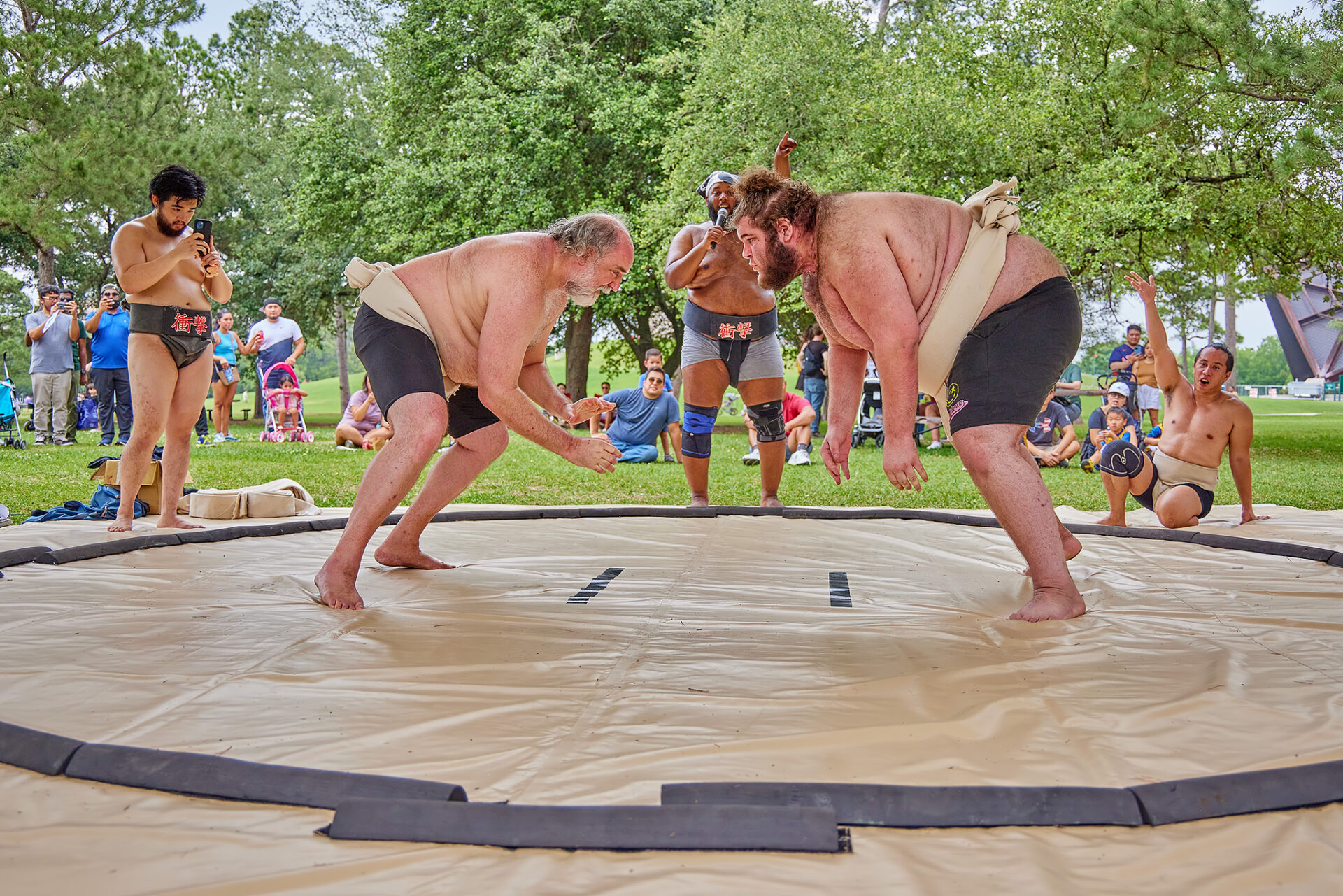
Japan Festival Houston began as an event to draw visitors to Hermann Park’s five-and-a-half-acre Japanese Garden in Houston, Texas. The two-day event now attracts about 25,000 people annually and celebrated its 30th year this spring, returning after a four-year hiatus due to the pandemic.
“The event fosters an appreciation of the rich cultural heritage of Japan,” says Patsy Brown, executive director of the Japan-America Society of Houston. “One thing our festival is known for is the opportunity to experience traditional arts and crafts, traditional festival games, and traditional performances.”
Sumo wrestling demonstrations were added this year, a nod to the sport’s growing profile in the United States. The wrestling, along with martial arts performances, proved popular, Brown says. The traditional Japanese tea ceremony also appeals to visitors; founded on a reverence for beauty in the daily routine of life, the ceremony includes green tea and traditional Japanese sweets.
Attendees also can participate in lifting and parading one of the state’s only mikoshi (a portable shrine) while saying a traditional chant. “In Japan, it’s an activity that is carried out in hopes of bringing good fortune,” Brown says.
Other highlights include traditional Japanese music; a sword fighting arts performance by a samurai theater company; and merchants selling anime goods, handcrafted jewelry, and antique kimonos. The free festival typically takes place in May, which is Asian/Pacific American Heritage Month.
Scotland in Virginia
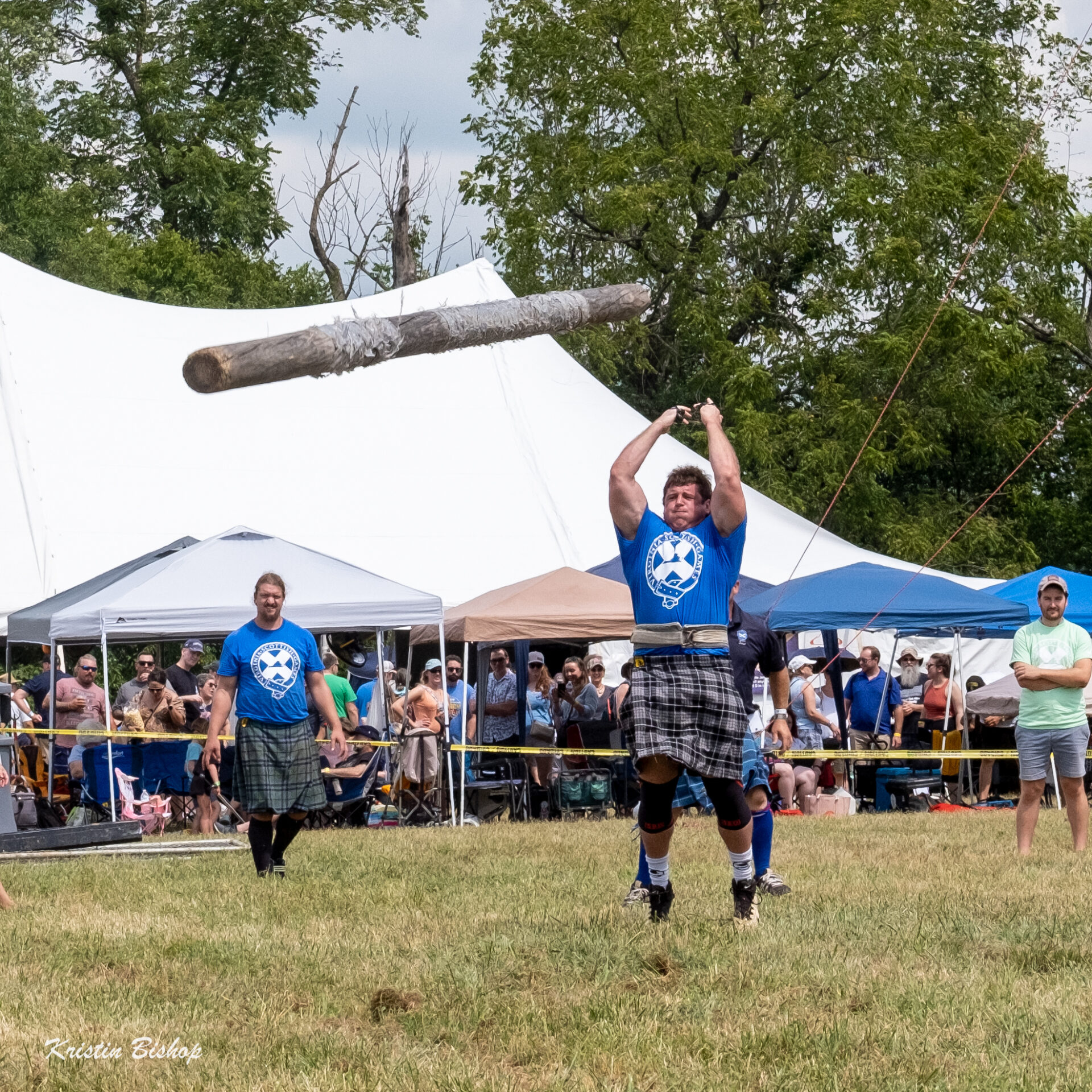
Haggis, anyone? Every Labor Day weekend, bagpipes, kilts, and Highland dancers take over the tiny town of The Plains for the Virginia Scottish Games. Next year, the event will mark its 50th games.
“We have a good time, and we like to share it with people,” says Alexandra Duncan, vice president of the event. “If you hear good bagpipes, you enjoy good bagpipes. We have a really good fiddle tent.”
The showpiece of the event is the athletic competition. “We always have people wanting to see big men in kilts throwing things,” Duncan says. “It’s hard to look away from a man or a woman picking up essentially a large tree and throwing it end over end.” Competitors also throw heavy hammers, stones, and weights.
Dine on haggis, fish and chips, meat pies, pasties, bridies, and shortbread while enjoying the festivities. Musicians, dancers, and vendors come from up and down the East Coast, and guests can get an introduction to speaking Gaelic, learn about walking songs, and hear a harpist. Genealogy specialists are available to help people trace their roots and find the tartan associated with their clan, Duncan says.
The Virginia Scottish Games originated in Alexandria, about an hour east of The Plains, but the city still celebrates its heritage each December with the Alexandria Scottish Christmas Walk Parade, with clans in colorful tartans, pipe and drum bands, and Scottish terriers.
France in Washington, D.C.
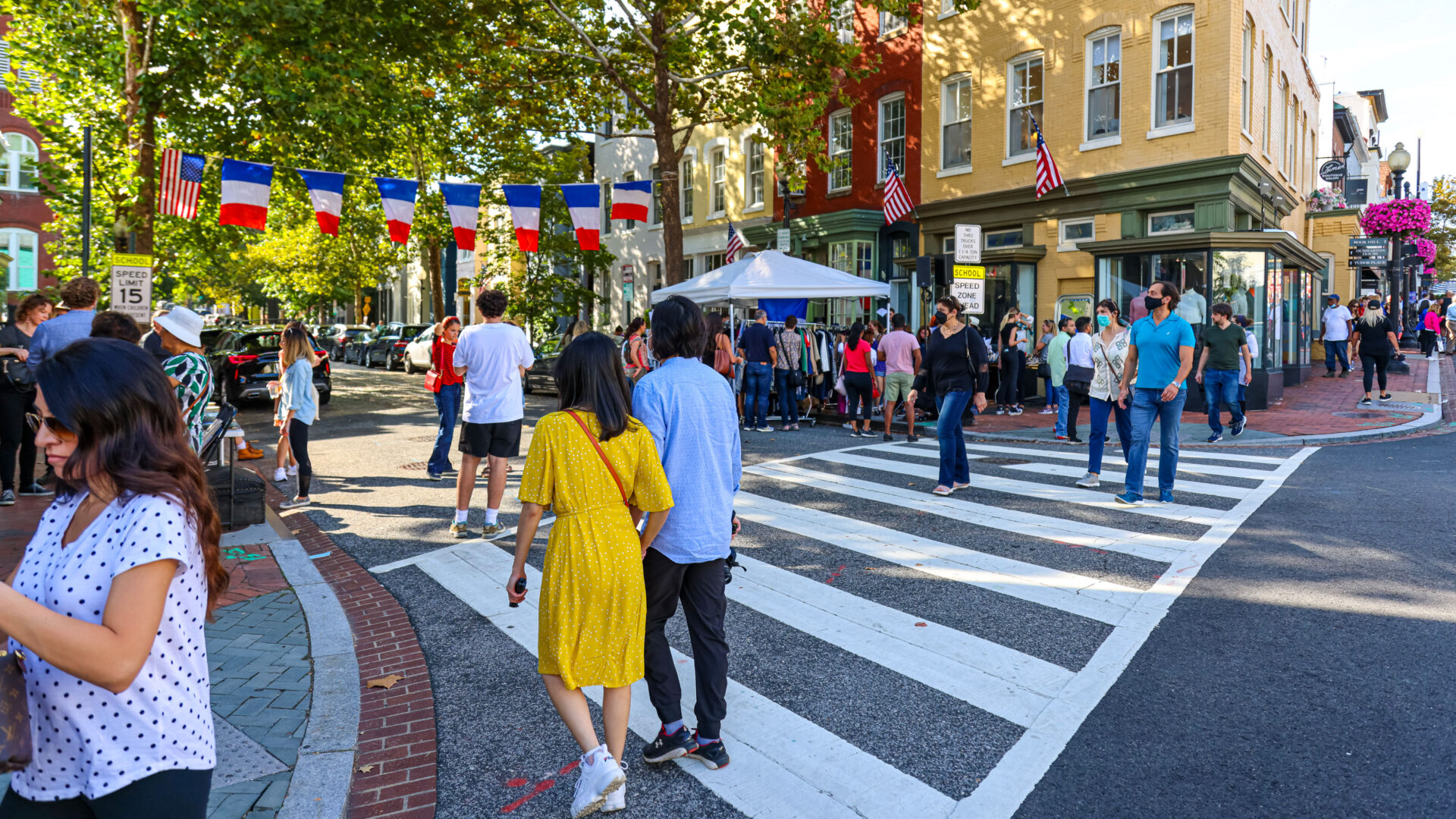
The next best thing to April in Paris might be April in Georgetown. Every spring, the historic Washington, D.C., neighborhood hosts the annual French Market, inspired by Parisian outdoor markets. This year marked the event’s 20th year in the charming European atmosphere of Georgetown’s Book Hill area. The French Market has grown into a beloved tradition that attracts about 20,000 people each year.
Support locally owned boutiques, galleries, and cafés offering discounted prices while shopping for jewelry, clothing, homewares, art, antiques, and dining al fresco. French bakery Patisserie Poupon—a founding member of the French Market—serves pastries, croissants, and quiche. Stock up on French wine during a special market sale, and pick up a good read to go with it at the pop-up book sale.
Entertainment at the two-day weekend event includes live music, caricature and balloon artists, and strolling performers such as stilt-walkers and a unicyclist.
Debbie Young, events director for the nonprofit Georgetown Business Improvement District, describes the market as a glamorous sidewalk sale with a French twist. C’est magnifique!
Italy in West Virginia
There’s no better place than the “Pepperoni Roll Capital of the World” for an Italian feast; Fairmont is said to be where the delicious treat was created. The north-central West Virginia city celebrates its Italian roots every Christmas season with the Feast of the Seven Fishes Festival, which honors the Italian Christmas Eve tradition of gathering for a multiple-course meal of fish and other seafood. The riverside town paid homage with a mural known as “The Feast” in 2021.
The street festival is part of the Marion County seat’s annual Hometown Holiday Celebration, which brings more than 5,000 people to downtown for food, live music, the Hometown Christmas Market, and tree lighting. If you have room, head over to Fairmont’s Country Club Bakery, home of the original pepperoni roll.
Writer and director Robert Tinnell was instrumental in organizing the city’s first Feast of the Seven Fishes Festival in 2006, according to the Marion County CVB. The Fairmont native’s 2019 comedy film, Feast of the Seven Fishes, is based on his childhood experiences and was filmed in West Virginia. Visitors can take a tour of some of the Marion County sites featured in the movie.