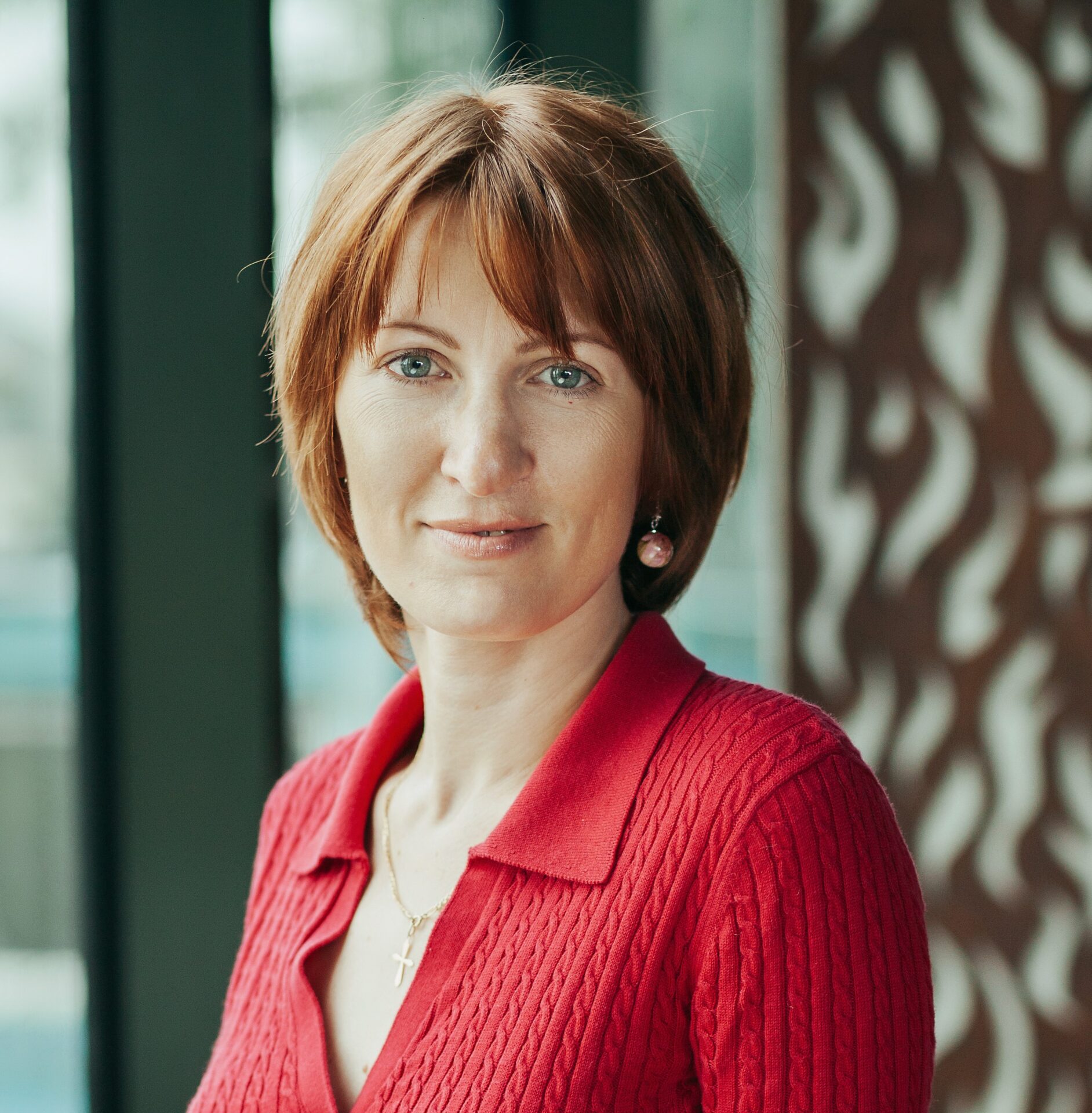
 When it comes to the science of meeting and event planning, few professionals look at it more literally than Victoria Matey. A former planner, Matey is an event consultant, author, speaker, educator, and content creator who applies scientific findings on human behavior and psychology to event design.
The award-winning co-founder of Seattle, Wash.-based Matey Events, Matey wrote the book 10 Principles of Strategic Event Planning and developed the Event Psychology Lab online course. She hosts the event psychology video podcast What If I Told You to help professionals transform events using insights into human behavior.
ConventionSouth spoke with Matey about her uncommon background for the industry, how planners can make simple but effective tweaks, and why events should be designed as more than stand-alone occurrences.
You studied linguistics and psychology, not necessarily fields most people would connect with the meetings and events industry. How did that cross over into an interest in events?
I fell into events by chance, as many of us do. Linguistics was my major at my first university, but as I was always interested in psychology, I added that to my plate and eventually wrote a thesis in cognitive linguistics. The power of language always fascinated me. I started working in events and then graduated from the master’s program in international events management. Only after a decade, when I started my consultancy, did I realize there’s an ultimate connection between events and psychology. Now, after a few years of focusing on the psychology of events, I find that literally every aspect of event design and marketing can be looked at through a behavioral and psychological lens. That includes how language impacts decision-making and has practical implications for event marketers. Did you know, for example, that using ‘touch and taste’ words when describing an event is more likely to get people interested in attending at an earlier time?
You provide science-based advice on event design and marketing. Can you expand on how you approach this and share some of the advice you give?
We face various challenges, such as how to make the event more engaging and sustainable and how to attract and retain more attendees, as well as how to make the content more effective. If you try to solve these challenges with traditional approaches, you are limited in your solutions and, frankly, most of them are not effective and/or are expensive. However, when you add psychological solutions to the mix and base your approach on how humans work, you discover very interesting—and often low-cost—ideas.
I have advised clients on a number of things, from research-backed engagement strategies to brain-friendly presentation tips for speakers to survey design and many more. Sometimes I review the whole program and marketing, and sometimes I step in to suggest research-based strategies for specific challenges.
One example is adding more breaks to the agenda to make it truly balanced and effective. Research proves that having breaks has a huge positive impact on learning—people actually remember more and are more satisfied. … Another client wanted to make their marketing copy more persuasive. We are all bombarded with event invites, so how do you make them stand out? How do you make people actually read them? That was the challenge. I provided them with a list of recommendations, and we ended up making several improvements to the copy. As an example, we added the pronoun ‘you’ to boost the message. This comes from research that proved how using ‘you,’ ‘your,’ and ‘you’ll’ in content increases engagement and feelings of involvement.
Early in the pandemic, when everyone was figuring out some basics of engagement at online events, I advised the client to add music pauses between virtual sessions. Initially, they had radio silence, and despite the displayed message that the next session was coming, people in the chat expressed frustration because they felt uncertain and confused by the silence. Having this tiny tweak made a huge difference to how attendees felt and made waiting much more enjoyable.
Is this an approach that a lot of meeting planners are embracing?
It’s definitely growing, and many more event planners are trying it out and adding event psychology skills to their toolbox. Big players in the industry are getting involved in the topic, and I see companies are starting to hire experts in behavioral science on their event teams, too. So, this is surely the top future-ready skill for event professionals.
You have been described as an advocate for the strategic value of events. Can you explain what that means?
I believe events are not just logistical gatherings, but powerful strategic tools. It involves understanding that events—when strategically planned and executed—can contribute significantly to achieving broader business objectives. It’s therefore important to design them with the overall goals of an organization in mind and use them as more than just stand-alone occurrences. By incorporating science-based strategies, we can significantly enhance the effectiveness of events, making them valuable contributors to the strategic success of the business.