Today’s meeting planners are using creative strategies more than ever to ensure attendees don’t feel the squeeze of higher costs and smaller budgets still plaguing the industry. Based on ConventionSouth’s 2026 Industry Trends Survey, all signs indicate their efforts to maintain the quality of in-person meetings despite industry challenges are paying off—not only for attendees and meeting planners but also for destinations, organizations, and the global economy.
Among the linchpins of this success are those planners who rely heavily on Southern U.S. destinations for the region’s top-flight venues and hospitality. The South’s combination of premier convention centers and unique venues, range of price points among hotels, and diverse cultural experiences provides the flexibility event organizers desire.
The 2026 findings show an increase across most categories over last year’s survey—which speaks to the South’s affordability, accessibility, hospitality, and ability to create memorable experiences. This year’s findings also reveal a shift in how planners are navigating economic and political uncertainty. As one planner noted, “We can’t pass along price gouging to our audience. Otherwise, they won’t attend or will send fewer people, which hurts everyone.”
There are more insightful results from our annual survey. As always, our industry survey was administered via a third-party platform to encourage candid responses and ensure anonymity. We asked our audience of approximately 18,000 destination and planning professionals to share their responses to a wide range of industry topics, including the number and types of events being planned, attendance, budgets and costs, factors in selecting destinations and venues, technology, and other key areas.
In this report, we analyze the survey’s results to shed light on the event industry’s biggest and most common challenges, reveal how national trends are impacting event planning, and share some of the creative solutions shaping event planning and experiences.
Event & attendance trends
Planners and attendees alike continue to choose the South for meetings and events. While the number of events in the South increased from last year, so did the percentage of planners reporting higher or the same attendance levels.
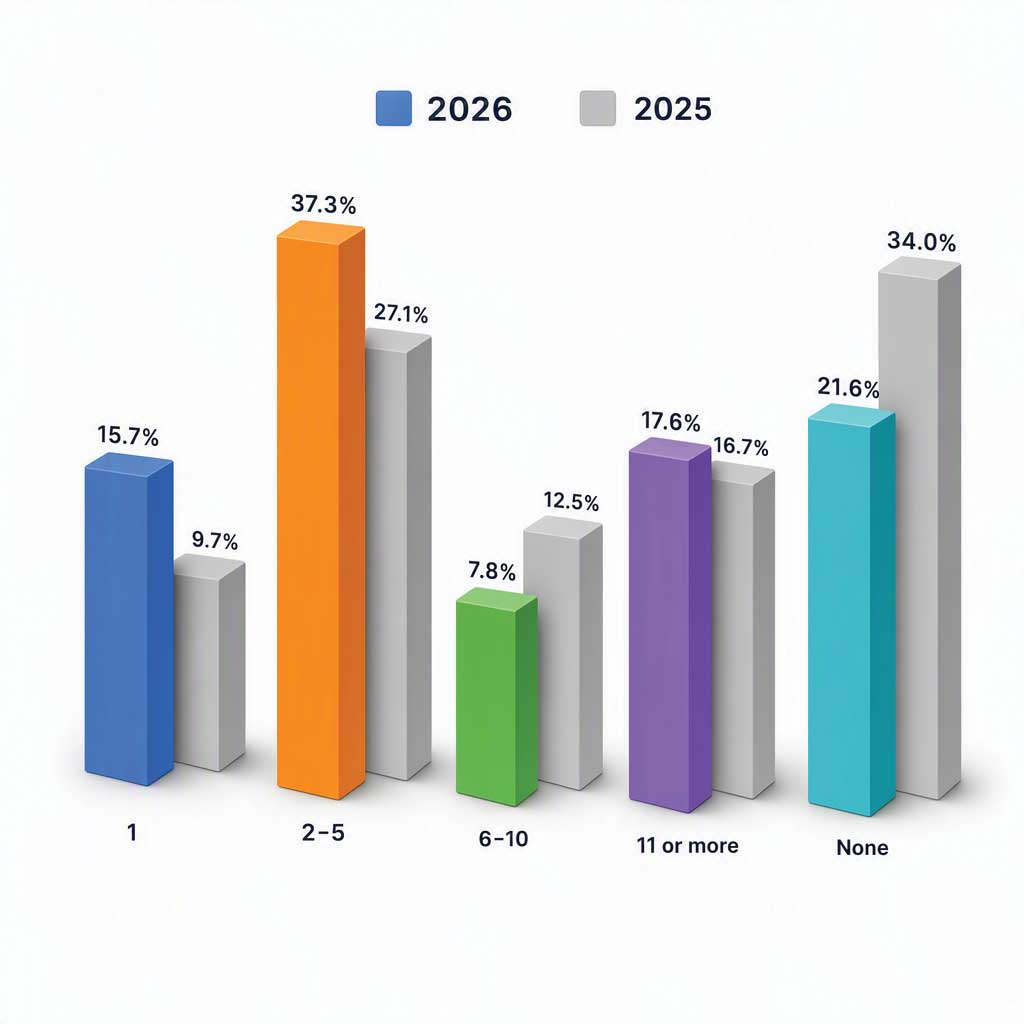
In fact, 78.4% of event professionals who responded to ConventionSouth’s annual survey indicated they plan to hold events in the South within the next 12 months, with an average of 5.1 events. In 2025, only 66% of respondents were planning meetings in the South, for an average of 4 events. Moreover, 17.6% are planning 11 or more events in the South, compared to 16.7% last year. Only one category has decreased since last year: 7.8% of planners reported planning 6 to 10 events in the South over the next 12 months, compared to 12.5% last year. However, notable gains in other categories offset this decrease, with single events increasing from 9.7% to 15.7% and 2 to 5 events increasing from 27.1% to 37.3%.
According to the survey, the most common event types being planned over the next 12 months are conferences (47.7%), followed by corporate meetings (29.5%), trade shows and association meetings (27.3% each), and networking/social events (25.0%). By comparison, last year, conferences made up nearly one-half of events (49.6%), followed by networking/social events (44.4%), association and corporate events (both at 35.6%), and trade shows (23.7%). Slightly more than 9% are also planning incentive trips for top performers, which is good news for luxury properties often aligned with incentive business.
Attendance is generally holding steady compared to last year, although the numbers reflect a slight shift. The most encouraging finding is that attendance has remained essentially unchanged for the majority of planners. More than one-half of planners (52.3%) reported the same attendance as the previous year, a negligible decrease from 52.4% last year. Only 18.2% reported higher attendance, compared to 19.8% last year. However, among the 18.2% of planners who reported higher event attendance, 75% experienced an attendance increase of at least 11%; the average attendance increase was 14.7%. Just under 30% (29.5%) reported lower attendance, compared to 27.8% in last year’s survey.
Current challenges
Shrinking budgets and increasing costs for basic amenities come with the territory for many meeting planners. Strains from tariffs and rising fuel prices are adding to a seemingly never-ending list of challenges.
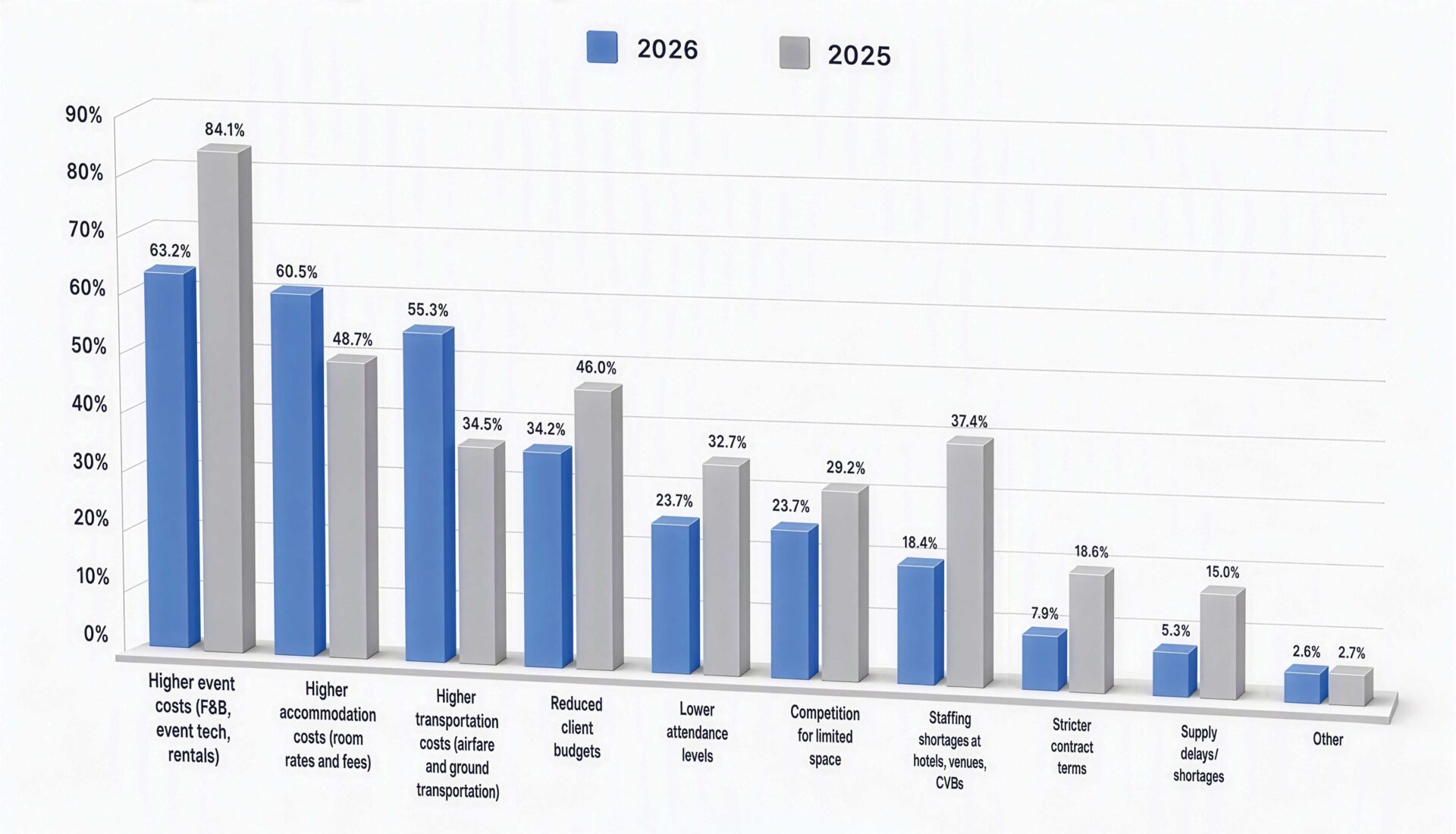
According to our study, among the greatest challenges for planners are higher F&B costs (63.2%), higher accommodation costs (60.5%), and higher transportation costs (55.3%). Other areas of concern are reduced client budgets (34.2%), lower attendance levels (23.7%), competition for limited space (23.7%), hotel/venue staffing shortages (18.4%), and stricter contract terms (7.9%).
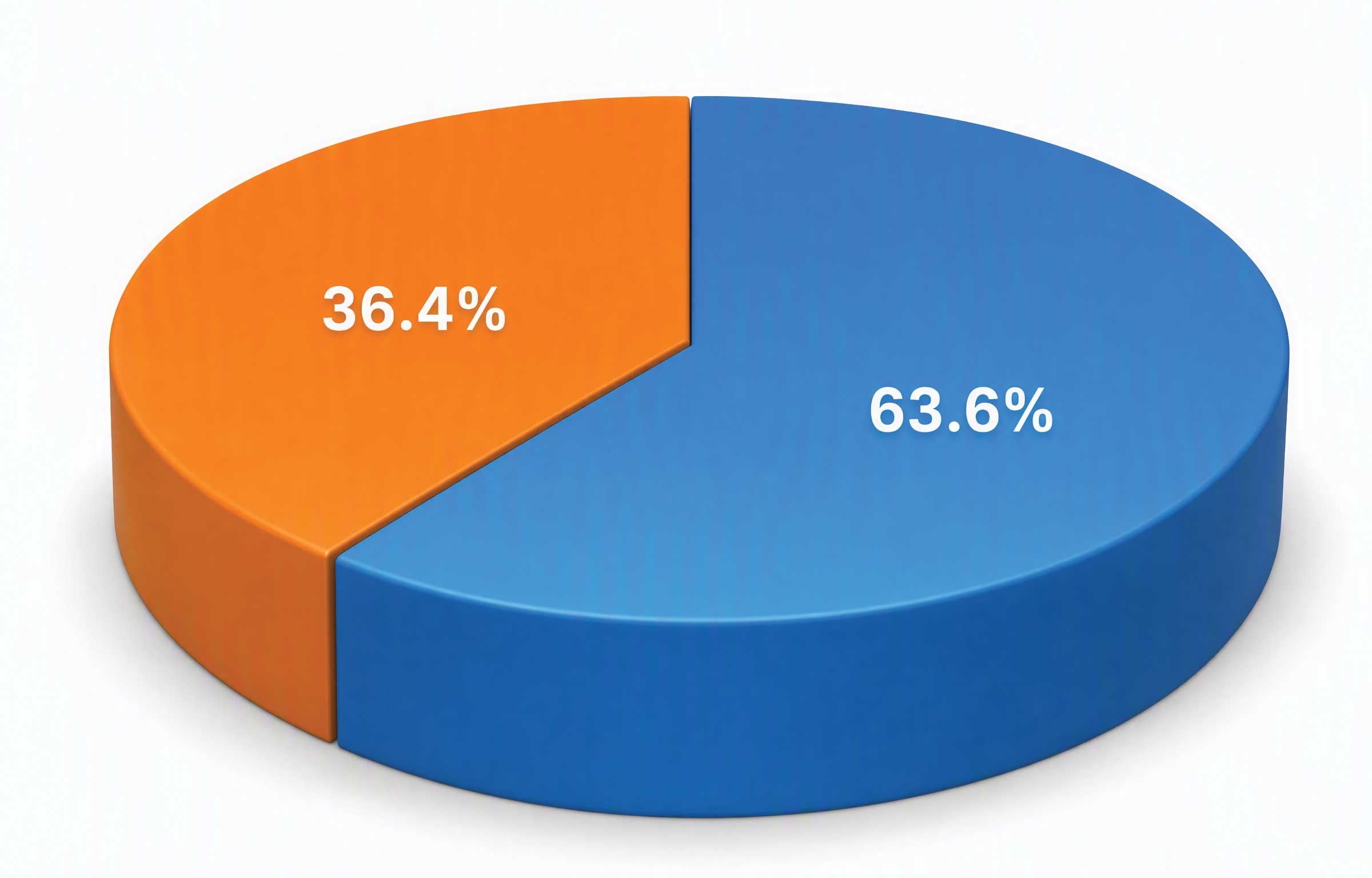
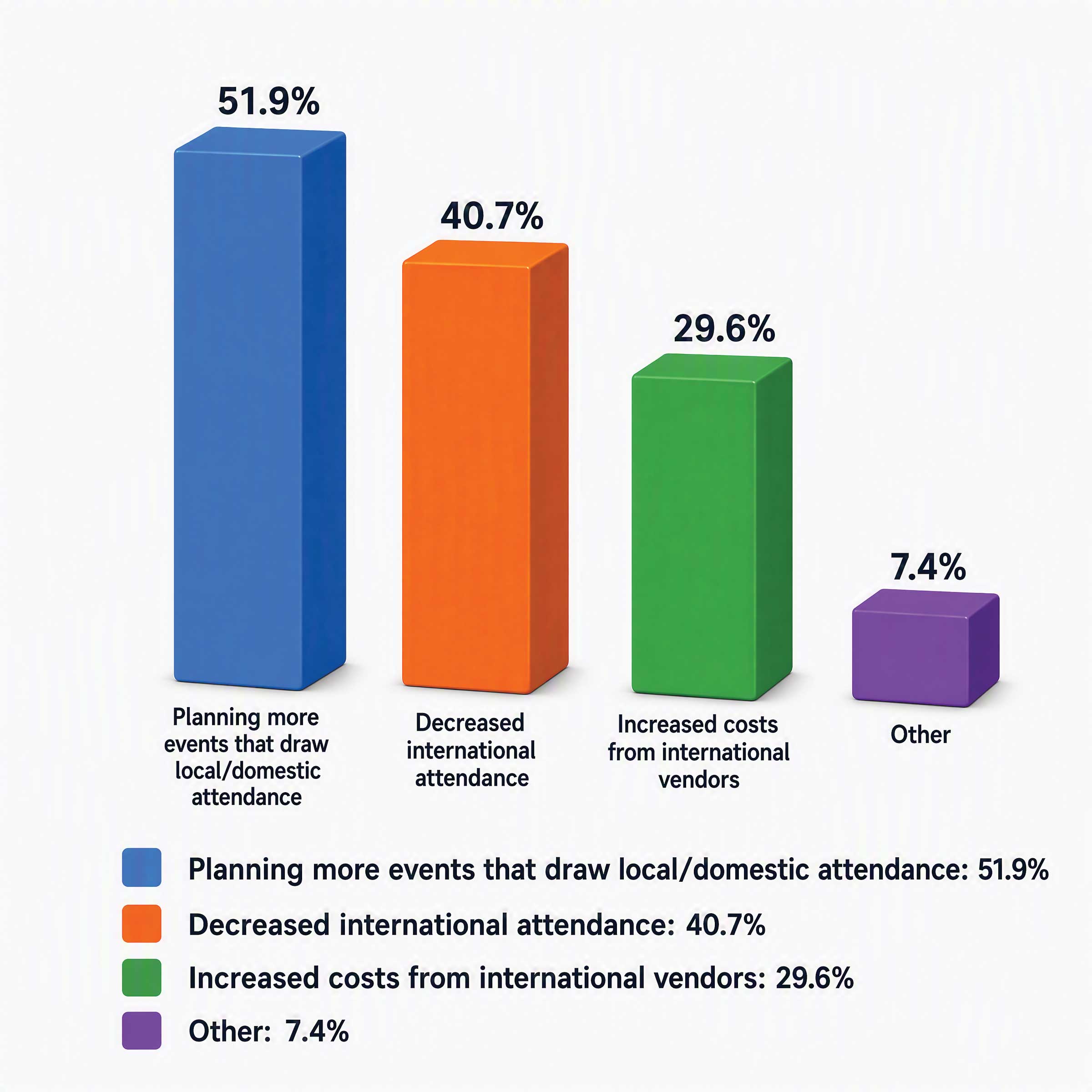
Additionally, 63.6% of planners indicated that current economic and political uncertainty is negatively affecting their events. Of those, 51.9% stated they are planning more events with a local/domestic audience; 40.7% reported they are experiencing decreased international attendance; and 29.6% indicated they are experiencing increased costs from international vendors.
Some meeting planners expressed uncertainty that the situation will improve soon. “Expect trends to stay the same until the war is over and gas and other costs come down,” noted one meeting planner. “The madness needs to stop,” another meeting planner suggested.
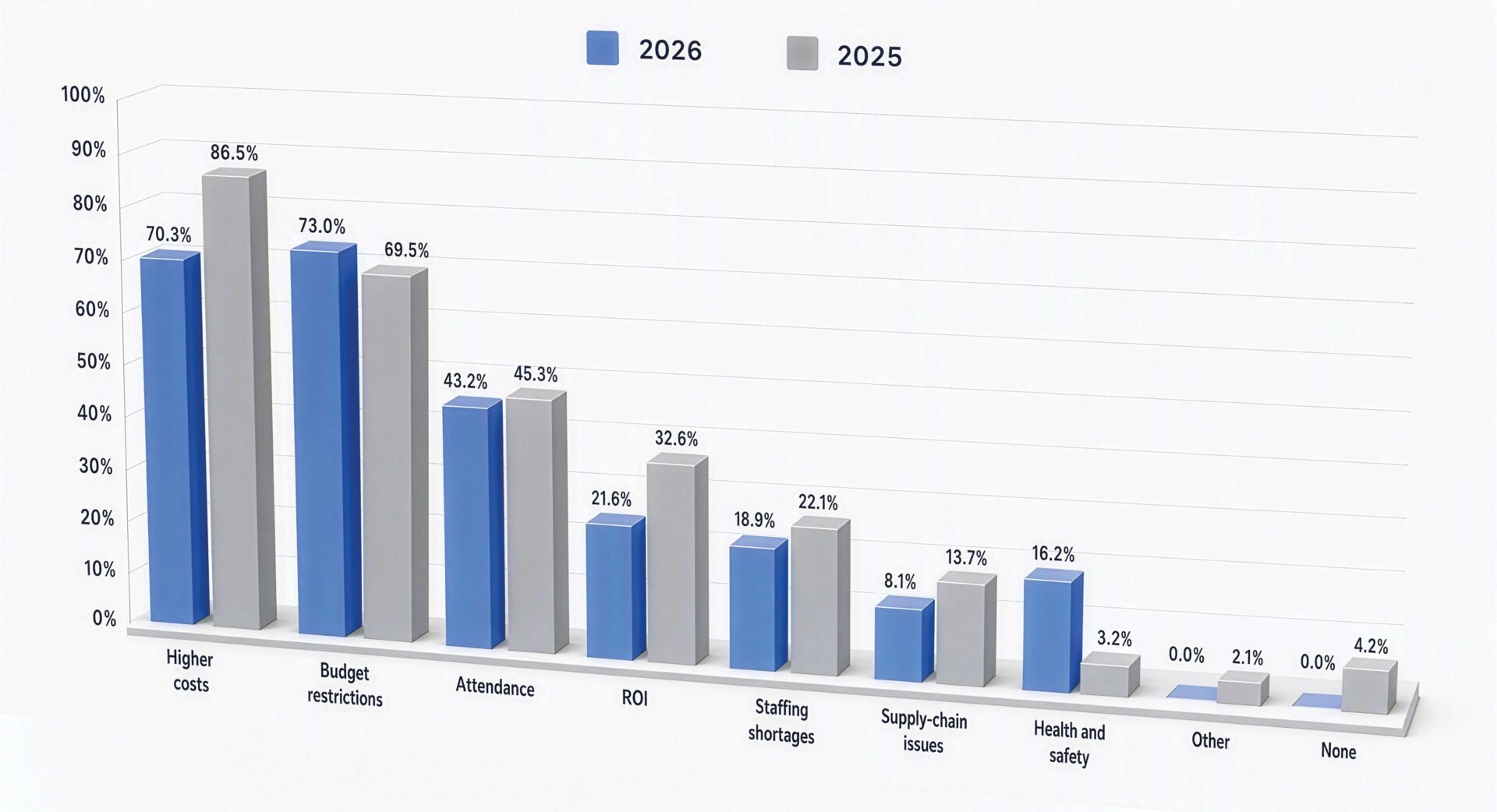
Planners indicated their clients are experiencing similar challenges. Budget restrictions (73%) and higher costs (70%) are the largest concerns among clients, followed by attendance (43.2%) and ROI (21.6%). Each of these issues was a bigger challenge in 2025, with higher costs reported by 86.5% of planners, along with budget restrictions (69.5%), attendance (45.3%), and ROI (32.6%).
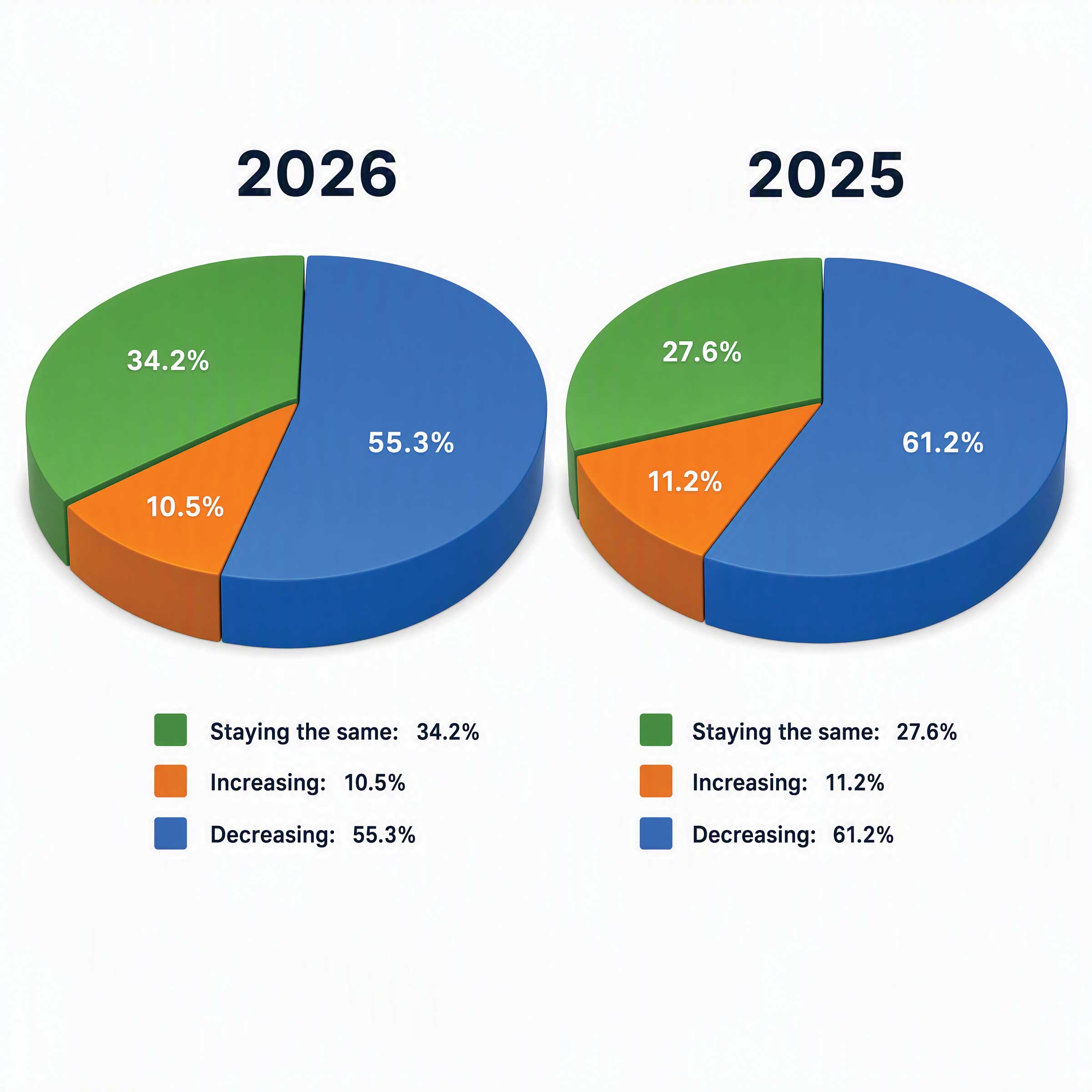
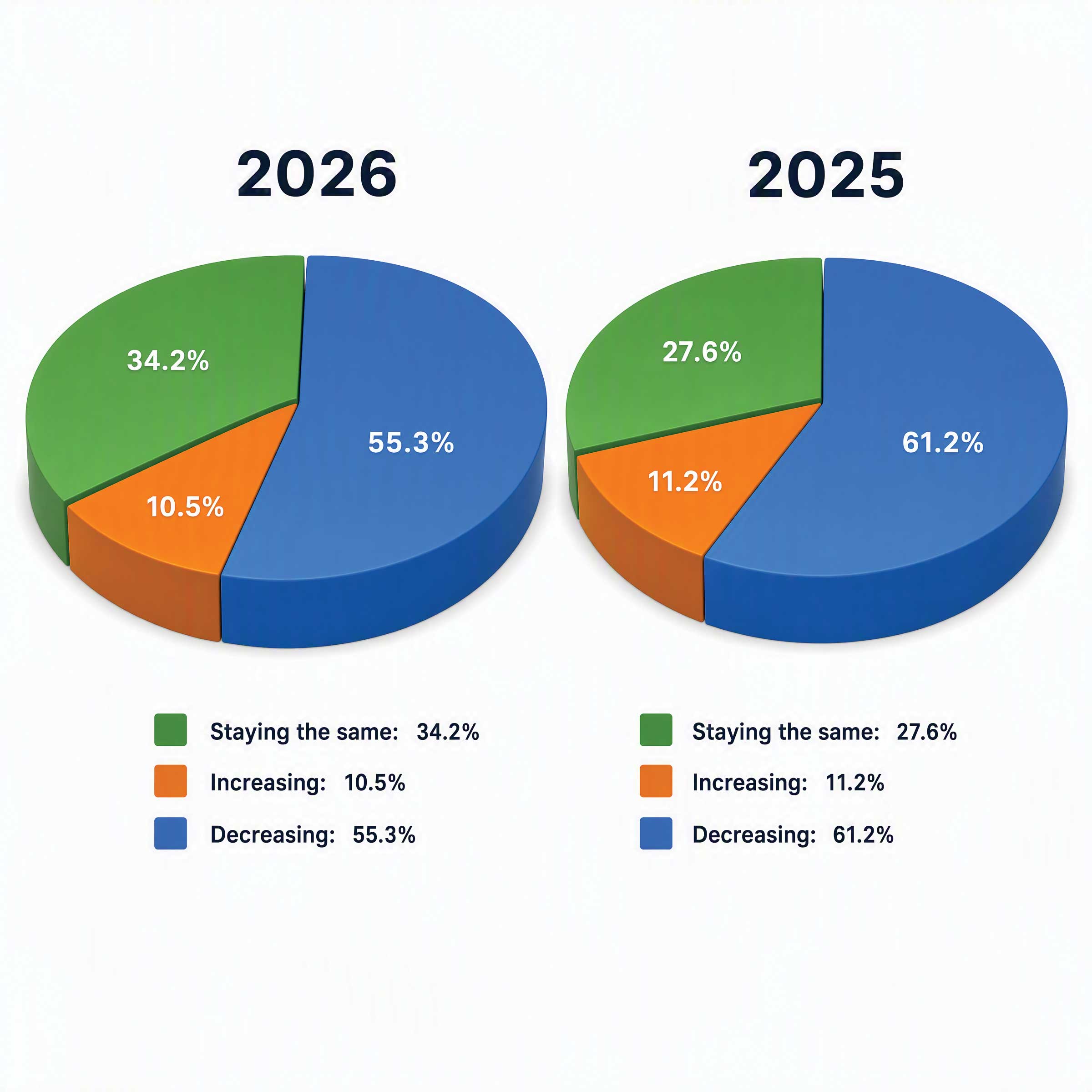
Indeed, organizations are tightening their purse strings. The majority of responding planners, 55.3%, indicated that their event budgets decreased this year, while 34.2% reported that their 2026 budgets remained the same as in 2025. Still, these statistics are an improvement over 2025, when 61.2% of planners indicated their budgets had decreased and only 27.6% indicated their budgets had remained the same. Only 10.5% of planners noted their event budgets had increased for 2026, compared to 11.2% reported event budget increases in last year’s survey. This drop in reported event budget increases is less than a 1% difference from 2025 to 2026.
Destination preferences & alternative solutions
To offset today’s challenges, planners are reviewing all budget line items to identify potential cost savings so they can continue delivering events that both thrill attendees
and please organizational leaders.
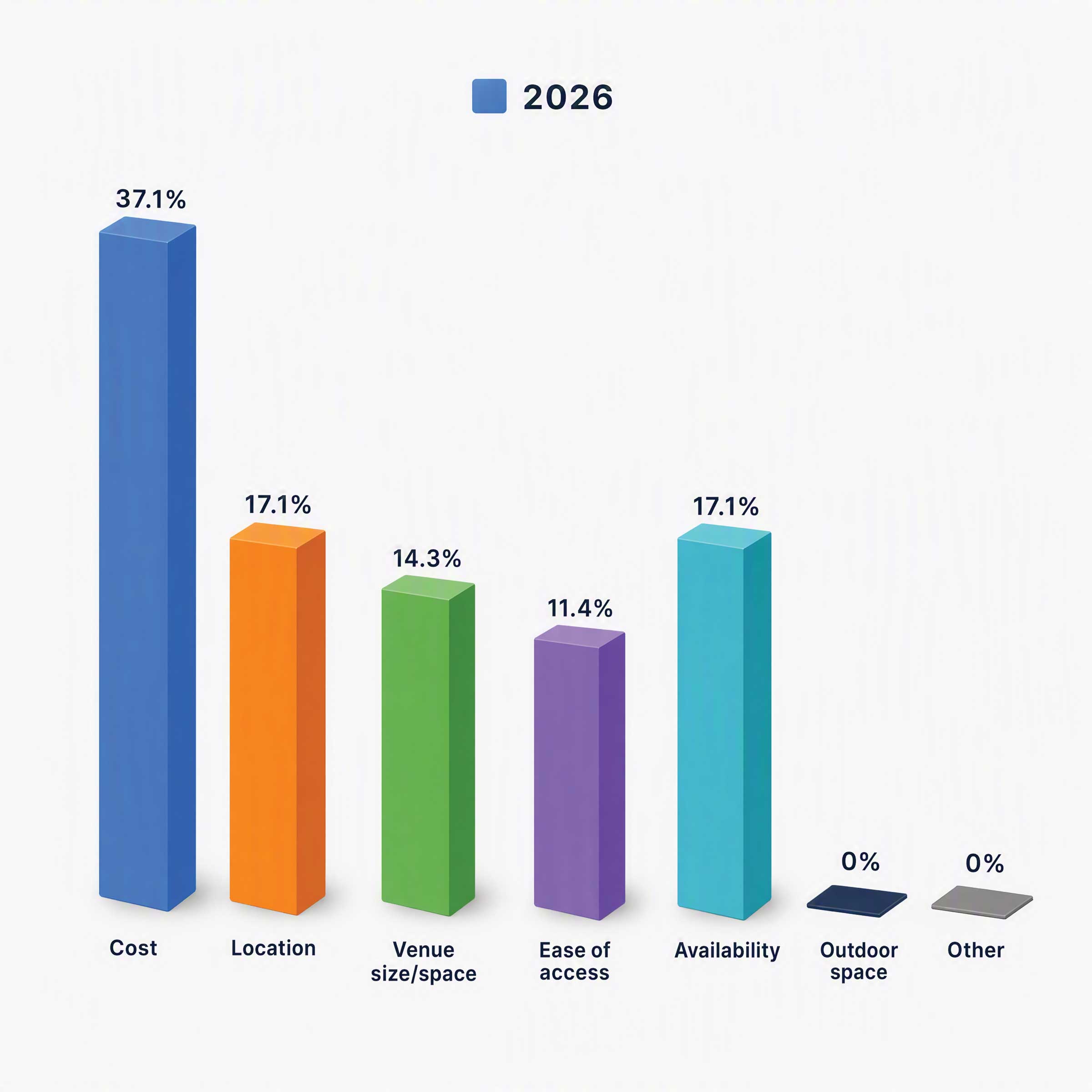
The search for savings begins with site selection, with 37.1% of planners citing cost as the most important factor when choosing a destination or venue. Other top considerations when choosing a destination are availability (17.2%), which can provide leverage to planners during negotiations, and location (17.1%), especially when opting for a more affordable suburban venue over downtown.
Reinforcing that the meetings and events industry is built upon relationships, planners are looking to known quantities to host their group. Slightly more than 60% return to the same destination or venue for future gatherings, and 57.6% cite cost as the most compelling reason. Other advantages include relationships with staff (39.4%), location to attendees (36.4%), available amenities (36.4%), and being a drivable location (30.3%) for the bulk of attendees.
Because international attendance is down, planners are being more intentional about where they hold meetings, often choosing destinations that are convenient for attendees, including association members and corporate staff.
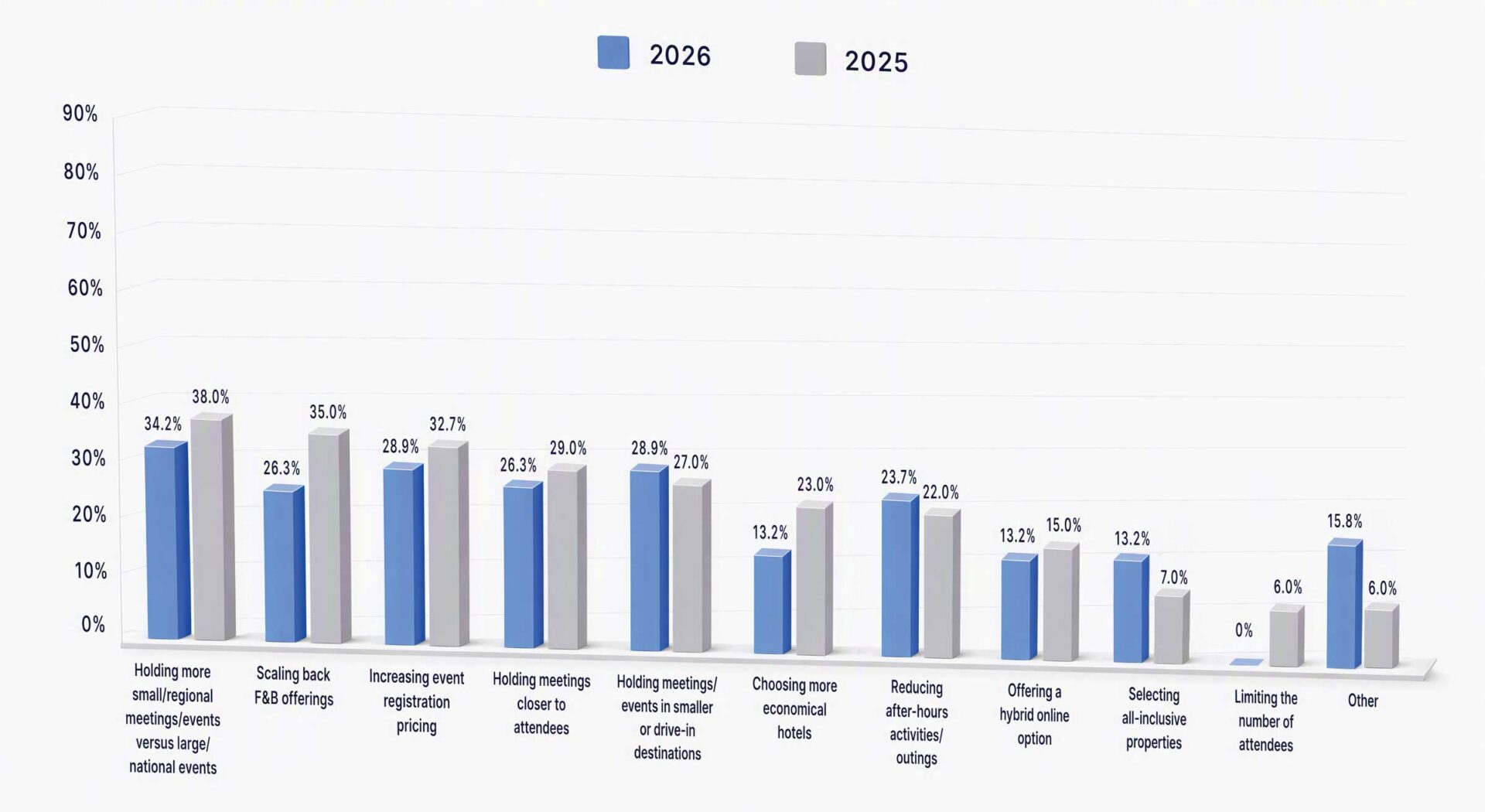
Hosting events in smaller or drivable destinations is among the most popular workarounds for alleviating budget and attendance concerns, as noted by 28.8% of planners. Drivable destinations can eliminate the dangers of travel delays and high airfares, helping cut costs and increase registration. Similarly, hotels and venues in mid-sized or smaller markets tend to be more affordable than those in metropolitan hubs. The same advantages apply to hosting meetings closer to attendee locations, a tactic favored by 26.3% of respondents. These follow trends from the 2025 survey, when 29% of planners reported holding events closer to attendees and 27% opted for drive-in venues.
There is also significant interest in regional and small conferences, which, at 34.2%, is the most common alternative to managing costs. This is down slightly from 2025, when 38% of planners held smaller and regional events rather than larger/national meetings. Smaller events with fewer attendees allow planners to better personalize the experience, which in turn heightens attendees’ enjoyment and instills loyalty to the association or corporation hosting the event.
Some planners (13.2%) said they are controlling costs by booking all-inclusive resorts (a relatively common strategy for incentive programs), allowing organizers to lock in their budgets early in a fiscal year.
The same percentage of planners indicated they are offering hybrid events as a more convenient and affordable option for attendees—eliminating travel, lodging, and F&B costs for those who choose virtual events.
Technology trends
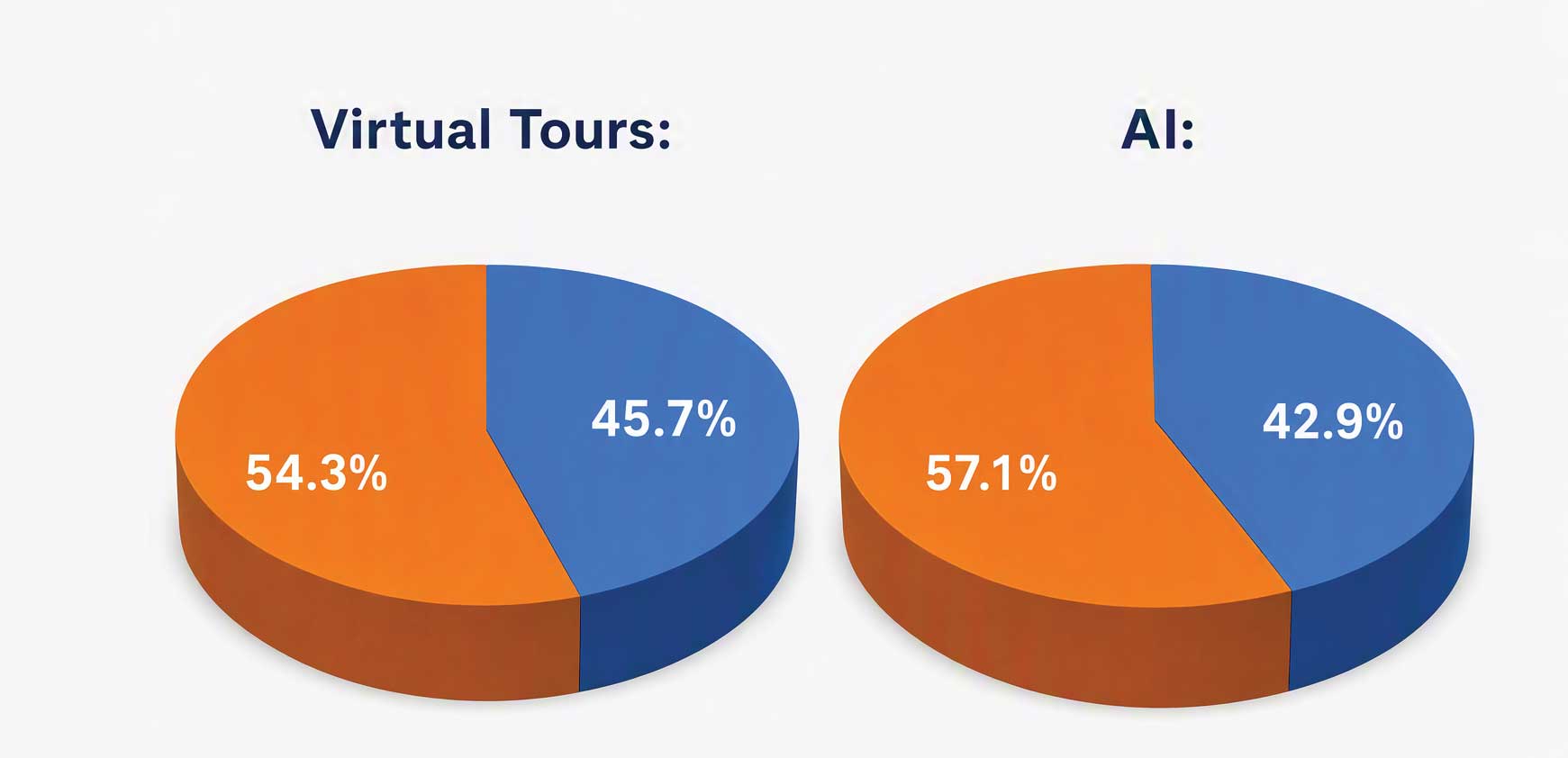
A large percentage of planners rely on technology to help complete important aspects of their jobs, including conducting site visits. Of note, 47% of planners use virtual tours when selecting destinations or venues to save on travel costs and the time out of the office. Artificial intelligence (AI) is also becoming more commonplace, with 42.9% of planners now using AI in their routine tasks. Of those who reportedly use AI, the most common applications are in marketing and pre-planning duties, including: creating proposals (60%); copy/text generation (53.3%); developing marketing strategies (46.7%); generating graphics (40%); event/project management (40%); marketing automation (40%); and research (40%).
Meanwhile, 28.6% of planners use a third-party RFP service; of those, only 10% pay for an RFP service.
Healthy choices
Planners are making a distinct effort to avoid passing on economic challenges to their attendees. Only 26.3% reported scaling back F&B options, while 23.7% have reduced after-hours activities. Our survey shows planners still value flexible menus, local sourcing, healthy options, and dietary accommodations despite rising F&B costs.
Even the most empathetic event organizers are growing frustrated by negotiating stances taken by hotels and venues. “I understand inflation related to food increases, but those now far outpace inflation, and new costs and fees have popped up and risen dramatically,” shared one planner responding to the survey.
Accommodating food allergies (69.5%) and dietary restrictions (61.2%) are the most important factors when planning F&B. One planner has observed less emphasis on serving alcohol at events, which supports planners’ reported efforts to offer healthier food options (58.3%). In addition, 44.5% of planners noted working with local and sustainable vendors as a priority.
Community, well-being & safety
To help plan the most engaging events, 55.9% of planners contact attendees as part of their pre-event planning process to gauge their interest in networking, entertainment, and offsite activities. According to survey responses, 88% of planners attempt to weave the local culture and community into their event agendas. Historic attractions and local entertainers are utilized by 83.3% of planners. Natural attractions (parks, beaches, lakes, rivers, etc.) are popular among the 43.3% of planners who incorporate them into their event agendas, while 36.7% of planners add some type of arts- and-crafts activity. One-fifth of planners (20%) also aim to include a CSR component benefiting a local organization.
Relatedly, more than one-third of planners (35.5%) include physical health and wellness offerings, and 29.4% include mental health
and wellness components.
Event security is becoming a greater concern, especially in the wake of the assassination of Charlie Kirk at a university event, multiple scares involving President Trump at both public and private functions, and the fatal shooting of a healthcare executive outside the company’s conference. According to our survey, 91.1% of planners are concerned about physical security at their events, and 64.7% are taking measures to increase physical security. By comparison, in the 2025 survey, 79.2% planners said they were concerned about physical security, and 46.3% said they were taking added measures. Planners did not share how they are increasing event security.
Takeaways
Despite rising event costs, planners are not merely cutting budgets. They are changing the structure and location of events to make them more affordable without sacrificing quality.
By making conferences more convenient to attendees, planners and their clients are preemptively addressing attendees’ concerns about travel and time away from home while also limiting travel costs. Planners’ efforts to maintain high standards for F&B and the overall event experience underscore the importance of ROI for both participants and clients.
Southern destinations are well-positioned to capitalize on the industry’s shift toward affordable, accessible, and regional events. As the study shows, planners prefer destinations and venues with an established relationship and often return based on previous experiences.