Fifty years ago, the expectations surrounding a convention center were relatively straightforward: provide enough space, make sure it functions well, and help organizers deliver a successful event.
Those fundamentals still matter. For more than five decades, Georgia World Congress Center (GWCC) has had a front-row seat to a much larger transformation in the meetings and events industry. The definition of a great attendee experience has expanded well beyond the convention center itself.
Today’s attendees expect experiences that are seamless, connected, comfortable, and memorable. Planners are increasingly evaluating destinations through that same lens. They are not simply asking whether a venue can accommodate their event. They are asking what their attendees will experience from the moment they arrive until the moment they leave.
As GWCC marks its 50th anniversary, five lessons stand out about what attendees value—and what that means for the future of convention centers.
1. Convenience is hospitality.
Hospitality is often associated with service, but some of the most meaningful forms of hospitality are almost invisible. At GWCC, our goal is to be easy to do business with. That commitment goes beyond simplifying the planning process or delivering exceptional service. We believe our responsibility is to be one of every show’s biggest advocates, invested not only in its immediate success but also in creating an experience that makes attendees want to return to Atlanta year after year.
That philosophy requires us to look at every decision through the lens of the attendee experience. Whether we’re making day-to-day operational decisions, introducing new amenities, or planning investments that will shape our campus for decades, we should continually ask ourselves one question: How will this affect the attendee experience?
For planners, that means having a responsive, collaborative partner who anticipates needs, removes obstacles, and helps deliver an event that attendees value. For guests, it means creating an environment where everything feels intuitive, welcoming, and convenient. Can attendees easily get where they need to go? Is the destination walkable? Is wayfinding intuitive? Are hotels, dining, and entertainment nearby? Does moving between meetings, events, and experiences feel effortless?
Every point of friction affects how a guest experiences an event. That is why convenience has become an increasingly important part of the planner proposition. For GWCC, Atlanta’s compact convention and entertainment district has become one of its greatest strengths. Attendees can move among the convention center, hotels, Centennial Olympic Park, major sports and entertainment venues, restaurants, and attractions without sacrificing significant portions of their day to transportation.
Ultimately, our success is closely tied to the success of the events we host. When we make it easier for planners to deliver exceptional experiences and give attendees compelling reasons to return, we strengthen not only individual events but also Atlanta’s position as a destination of choice.
2. People need places, not just meeting rooms, to connect.
For decades, convention centers have been designed around formal spaces like exhibit halls, ballrooms, and meeting rooms. Those spaces remain essential, but some of the most valuable moments at an event happen outside the scheduled program: a conversation after a session; a spontaneous meeting over coffee; a quiet place to answer an email; or a comfortable spot where colleagues can regroup before the next event.
As the way people meet has changed, GWCC has continued to introduce spaces that support those moments—from lounge environments and outdoor gathering areas to meeting pods that give attendees more choices in how and where they connect. It reflects an important shift in thinking: the moments between scheduled activities matter just as much as the experiences themselves.
3. Hospitality must be inclusive.
Great hospitality begins with making every guest feel welcome, comfortable, and supported.
Accessibility has long been fundamental to good venue design and operations, but today’s expectations go further. Planners and attendees increasingly look for destinations that anticipate a broad range of physical, sensory, and individual needs—and have people in place who are ready to help.
At GWCC, that commitment takes many forms: accessible pathways throughout the facility, a permanent sensory room and sensory resources, and a dedicated Guest Experience team ready to provide assistance, answer questions, and help guests navigate their experience with confidence. During FIFA World Cup 2026, that approach extended to Centennial Olympic Park, where mobile sensory resources helped make one of Atlanta’s largest public gatherings more accessible and welcoming.
These offerings reflect a larger philosophy: guests shouldn’t have to ask whether a destination was designed with them in mind. They should feel it from the moment they arrive. Inclusive hospitality isn’t an add-on to the guest experience. It is the guest experience.
4. Technology should disappear into the experience.
There was a time when offering Wi-Fi was itself an amenity. Today, seamless connectivity is expected. Attendees arrive with multiple devices and expect to communicate, stream, share content, and conduct business without thinking about the infrastructure supporting them. At the same time, organizers and exhibitors are creating increasingly sophisticated digital experiences that place greater demands on venue networks—often at a scale few other environments encounter.
That changes the measure of successful technology. It isn’t simply about having the latest capabilities; it’s about having the capacity, reliability, and flexibility to support thousands of people and increasingly complex events without technology becoming a barrier.
GWCC’s continued investment in its digital infrastructure, including the introduction of Wi-Fi 7, is designed to stay ahead of those expectations and give planners greater freedom to create the experiences their audiences expect.
For attendees, the best technology works seamlessly in the background, supporting the experience without ever calling attention to itself. As technology becomes even more integral to live events, its purpose should remain straightforward: remove friction, expand what’s possible, and make the experience easier.
5. The destination is now part of the meeting.
Perhaps the biggest lesson from the past 50 years is that the convention center can no longer be viewed in isolation from everything around it.
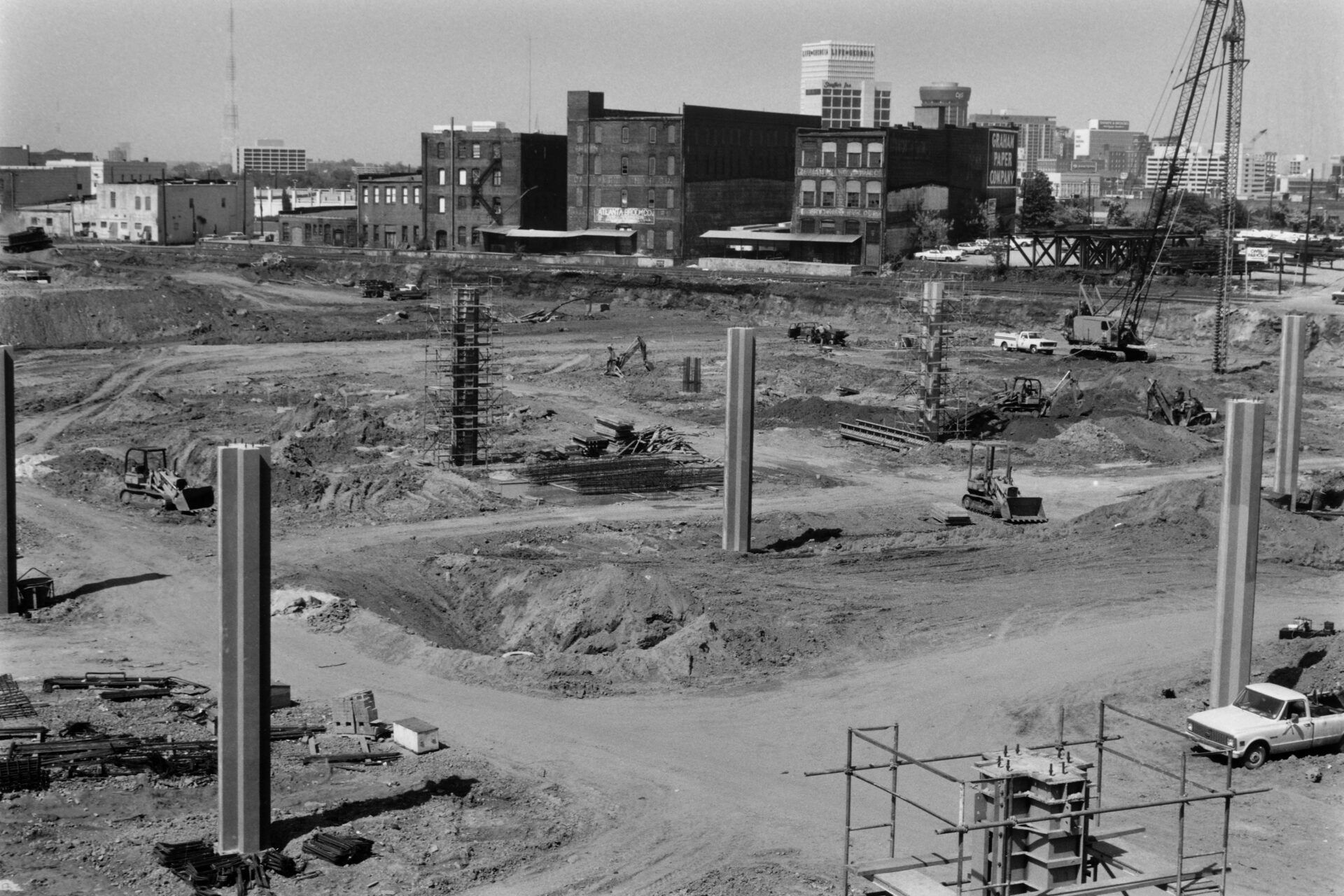
When GWCC opened in 1976, the convention center itself was largely the destination. Today, planners are evaluating a much broader proposition. They are considering what attendees can do before the opening session, where they can gather after the show floor closes, what dining and entertainment options are nearby, how easily they can move through the destination, and whether the overall experience will make people want to attend.
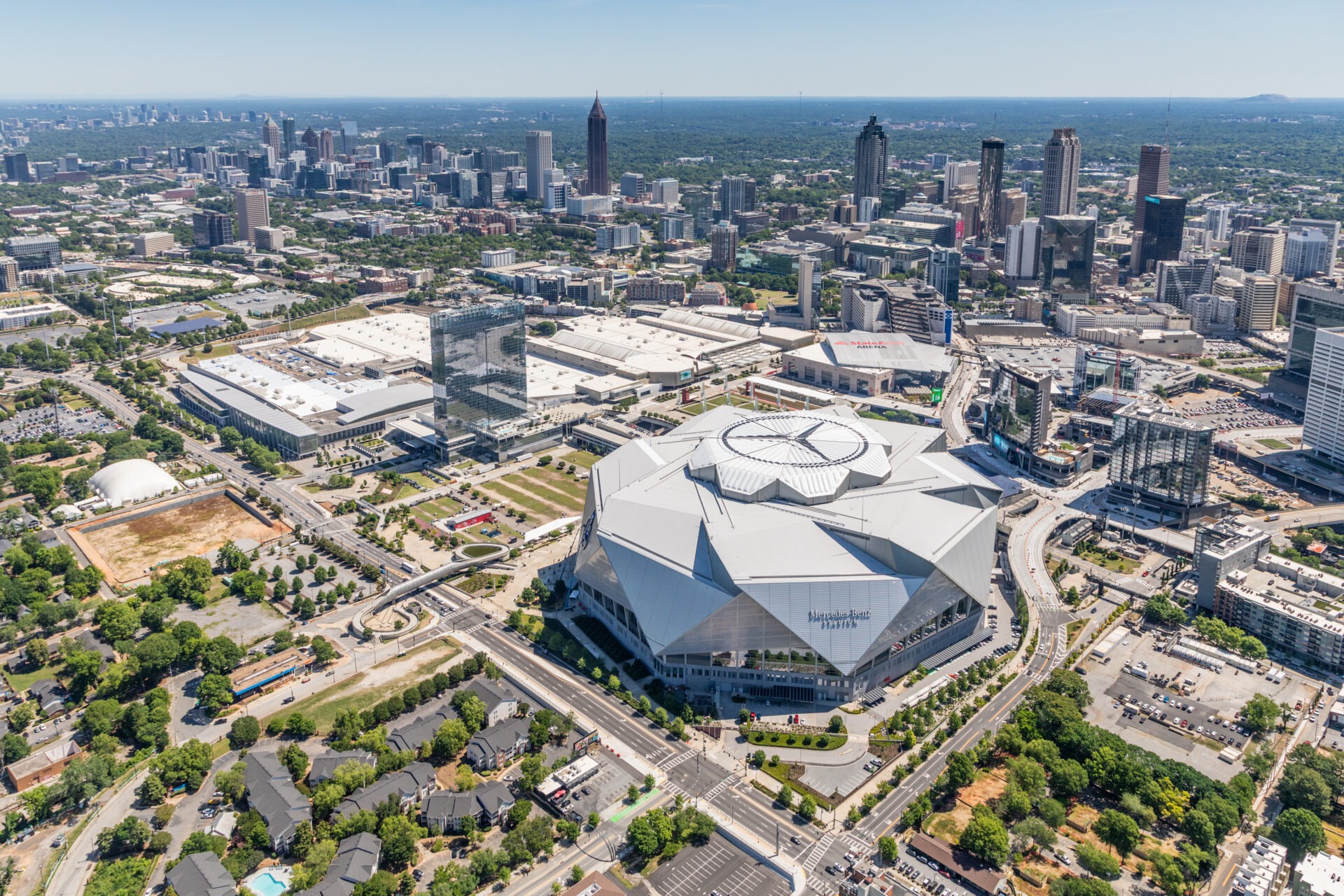
That evolution has fundamentally changed GWCC. What began as a convention center has grown into a connected campus anchored by 1.5 million square feet of exhibit space and surrounded by Centennial Olympic Park, Mercedes-Benz Stadium, Signia by Hilton Atlanta, and a walkable downtown filled with hotels, restaurants, and attractions.
FIFA World Cup 2026 provided an extraordinary demonstration of what a connected campus can make possible. Across eight matches at Mercedes-Benz Stadium, the FIFA Fan Festival at Centennial Olympic Park, and experiences throughout the campus, spaces built for conventions, hospitality, sports, entertainment, and public gathering worked together to welcome visitors from around the world.
The FIFA World Cup 2026 experience reinforced a shift that has been taking shape across the meetings industry for years: The boundaries of an event are disappearing. The attendee experience no longer begins and ends at the convention center doors. Increasingly, the event, the campus, and the destination come together as one seamless experience. That evolution has important implications for what comes next.
Looking Ahead: The Next 50 Years
As GWCC looks toward its next 50 years, planning for the future must extend beyond exhibit halls and meeting rooms. It means continuing to think about how our campus connects to the surrounding downtown, how public spaces can become more active and engaging, and how places, such as International Plaza, can evolve into destinations in their own right. It means examining our campus holistically through long-term planning and asking not simply what facilities will be needed, but what kind of experience future attendees and planners will expect. As the competitive question for convention destinations is changing, it is no longer simply, “Do you have the space for our event?” Increasingly, it is, “What kind of experience can we create here?”
Fifty years of serving planners, exhibitors, and attendees have taught us that answering that question requires constant evolution—and a commitment to viewing every decision through the lens of the attendee experience. Whether we are making day-to-day operational improvements or planning investments that will shape our campus for generations, one question should guide us: How will this affect the attendee experience?
Facilities matter. Technology matters. Service matters. Ultimately, they all serve the same purpose: making it easier for people to come together and creating experiences that make them want to return. Our responsibility is not simply to provide a place for events to happen, but to be our customers’ biggest advocates, helping them deliver events that attendees value, remember, and look forward to attending again.
That was the promise of a convention center 50 years ago. Today, it is the promise of a connected campus—one that continues to evolve with our customers’ needs, strengthens Atlanta’s appeal as a destination, and gives attendees every reason to come back.
Joe Bocherer serves on ConventionSouth’s editorial advisory board.