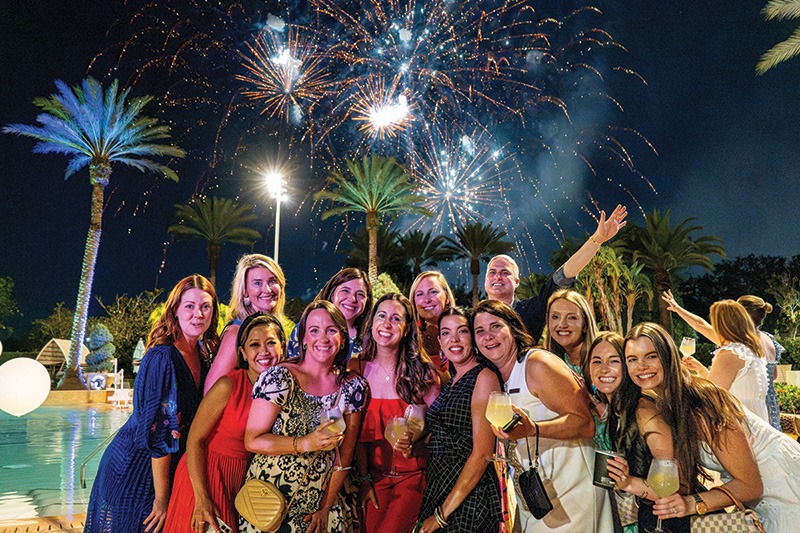
Of all the events corporations produce, incentive programs are among the most valuable—and most costly. As exclusive opportunities for companies’ top performers and longtime employees, incentives are naturally more expensive than typical ballroom meetings. Yet, despite rising fuel, F&B, and audiovisual costs, corporate leadership almost universally agrees the show must go on.
According to the Incentive Research Foundation’s (IRF) 2026 Trends Report, 99% of executives support reward and recognition programs. Lavish incentive trips often benefit businesses as much as attendees, IRF found, with 64% of top-performing companies rating executive support as “excellent.”
“They are moving forward with incentive programs because of the ROI that they get,” says Taylor Fain, sales advisor for Sutton Planning, which plans incentives for its software, HVAC, and media clients.
Generally, the goal of incentive trips to popular destinations, complete with memorable activities, is to improve productivity, increase revenue, and build loyalty. Companies paying for the programs aim to build loyalty among their best employees while pushing their all-stars to new heights year after year. For sales representatives and other team members, incentive programs are top-notch rewards for reaching revenue goals and service milestones.
The high costs of incentives tend to pay off for the companies, according to a 2026 joint study by the Society of Incentive and Travel Excellence (SITE) and Maritz, a third-party agency that produces corporate events and incentive programs. Among qualifiers who attended their trip, 89% said they are more likely to stay in their job, 89% feel stronger loyalty to the sponsoring company, and 93% are eager to win again.
While incentive trips remain a significant investment for corporations—an average spend of $6,000 per person in North America, according to the 2025 Incentive Travel Index—planners face shrinking budgets, changing market conditions, and ever-increasing expectations. Yet, companies and attendees alike expect planners to deliver a certain standard of excellence, despite these factors. Here’s a look at current trends shaping incentive programs.

Same perks, fewer attendees
According to the 2025 Incentive Travel Index, only 31% of North American survey respondents expect to increase per-person spend by 2027, and 17% expect to trim program spending by 2027. The most common ways organizations are trimming incentive program spend per person include reducing gifting (45%), selecting less expensive destinations (42%), and opting for shorter-duration trips (42%).
As incentive budgets remain under pressure, companies are becoming more conservative with incentive spending, says Tonja Taylor, founder of Tonja Taylor Event Solutions, who primarily plans incentive programs in the financial and insurance sectors.
However, diminishing the luxury aspect of an incentive trip undermines its purpose. The solution for many companies is to invite fewer attendees without sacrificing the quality of F&B, amenities, or excursions. As Taylor says, “Maybe before they had 65 people for a golf or a ski event, but now it’s an invitation for 30.”
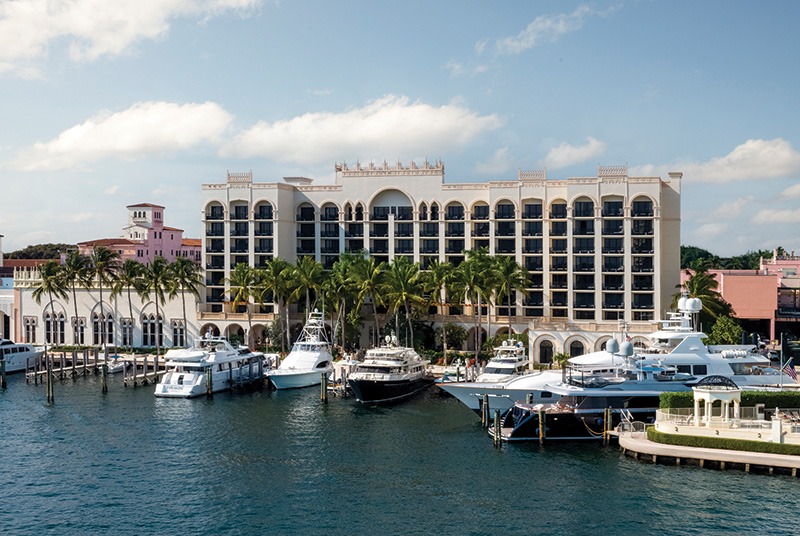
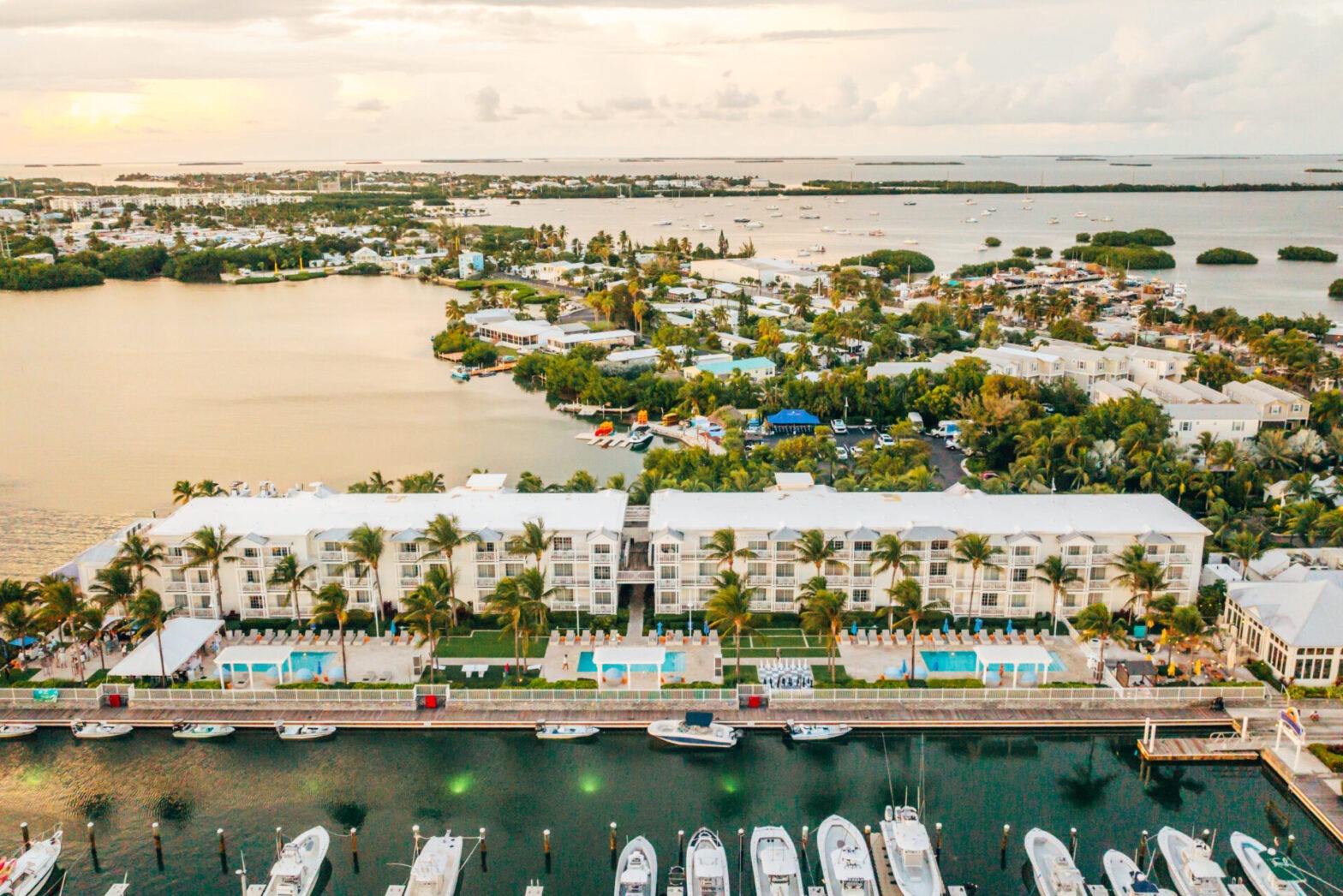
Raton via yachts, boats, and water taxis. Michael Stavaridis/Courtesy The Boca Raton
Guests are welcome
While corporations might restructure their incentive reward structures so that they recognize fewer employees than before, they are reluctant to remove allowances for honorees to bring a guest. Fifty percent of incentive winners say group travel is their primary motivator, according to the SITE-Maritz study. “Companies recognize that winners expect to travel with a spouse, partner, friend, or family member,” Fain says.
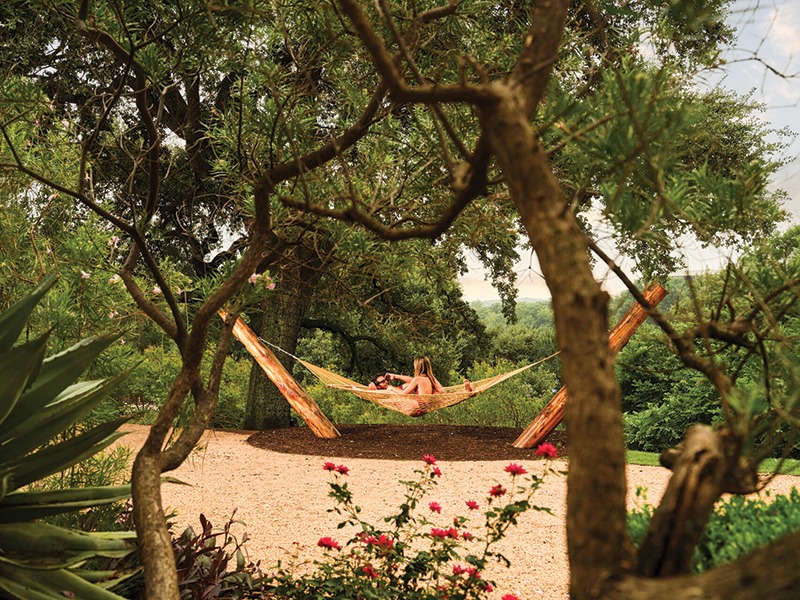
Some incentive programs are becoming more family-friendly, allowing children to come as well, so the trip feels like a vacation, according to Lili Kramer, meetings and events coordinator for ServiceMaster Brands. This is particularly true among generational franchise corporations, like Merry Maid, part of the ServiceMaster Brands portfolio. “Child-friendly experiences may help improve participation rates,” she says.
Beyond sales incentives
Despite some misconceptions, incentive programs are for more than top sales representatives. The SITE-Maritz study reveals that 60% of qualifiers work in operations or technology, and fewer than 10% work in sales. Meanwhile, the pool is expanding to include Millennials and Gen Z professionals who are moving into leadership and top-performer roles, Fain says.
The challenge for planners is creating an agenda that appeals to all generations while adapting to younger attendees’ preferences. “Your Baby Boomer is going to want a different experience than a Millennial or a Gen Z,” Fain says. Multiple excursion options can provide the variety needed, Fain adds.
Age range may also be an important consideration when choosing incentive destinations. “When you know you have
a diverse audience of different age ranges, your destination choice is even more important,” Fain says.
Site-selection shifts
Finding the right incentive reward is a balancing act. “It all starts with the destination,” Fain says, noting the destination choice itself can be a motivational tool for staff.
Planners must also weigh luxury and bucket-list destinations vs. convenience.
“A big trend is wanting to do trips that aren’t your standard family vacation,” Kramer says. In terms of convenience, Taylor says, “You want everybody to look forward to it, but also not for it to be a 12-hour journey.”
According to the IRF study, international instability is complicating destination selection, slowing decisions, and increasing the need for thorough risk assessment. Even with careful planning, sudden geopolitical or security disruptions are possible, making it essential
to have a Plan B or C, even in destinations with a turnkey approach.
The SITE-Maritz study reveals the majority of incentive travelers lean slightly toward the United States over international destinations (44% vs. 39%). This trend is largely driven by Gen Z, which reported a higher preference for domestic destinations (48%) than older generations (41-43%). “This may reflect their earlier career stage, cost-of-living pressures, or simply that they have traveled less and find U.S. destinations novel,” the study says.
Several luxury brands with properties in the South often host incentive groups, including the Four Seasons Hotel Austin, Naples Beach Club, A Four Seasons Resort, and Four Seasons at the Surf Club, Surfside, Florida; Marriott International’s Gaylord Opryland Resort & Convention Center, Grand Hotel Golf Resort & Spa, Autograph Collection, Grande Lakes Orlando, JW Marriott Marco Island Beach Resort, The Vinoy Resort & Golf Club, Autograph Collection, and The Westin Hilton Head Island Resort & Spa; and 25 Omni Hotels & Resorts properties in Florida, Georgia, Kentucky, Louisiana, Oklahoma, South Carolina, Tennessee, Texas, and Virginia.
Many organizations intentionally rotate the types of incentive destinations, Fain notes. The other planners agree. As Taylor suggests, a group may opt for a ski area one year, followed by a beach destination or a mountain region the next year. Luxury dude ranches are an example of unique settings also available, according to Kramer. “There are so many other opportunities to go to new places that I think people are just starting to think a bit more outside the box,” Kramer says.
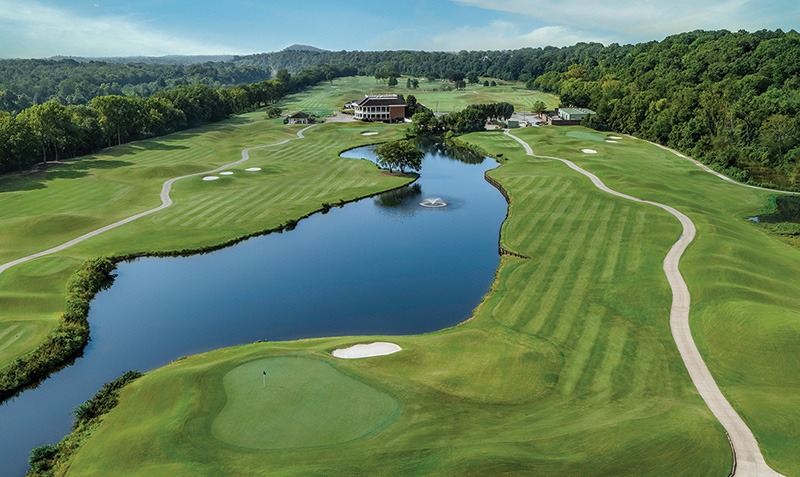
With such high expectations and persistent challenges, planners may opt for destinations with more onsite offerings. “I’m seeking a destination that is manageable,” Taylor says, adding that properties with golf, a spa, outdoor recreation, and dining in one location simplify planning.
Enter the tried-and-true resort property, which offers the luxury features attendees want and a predictable budget to help planners—often without leaving the property. Planners can still work with the resort to add curated experiences and fun teambuilding elements, like scavenger hunts, Kramer says.
All-inclusive resorts top the list for all generations of winners in the SITE-Maritz study, reflecting the universal appeal of high-quality (Four- or Five-Star) accommodations for their emphasis on hospitality.
Free time is a must
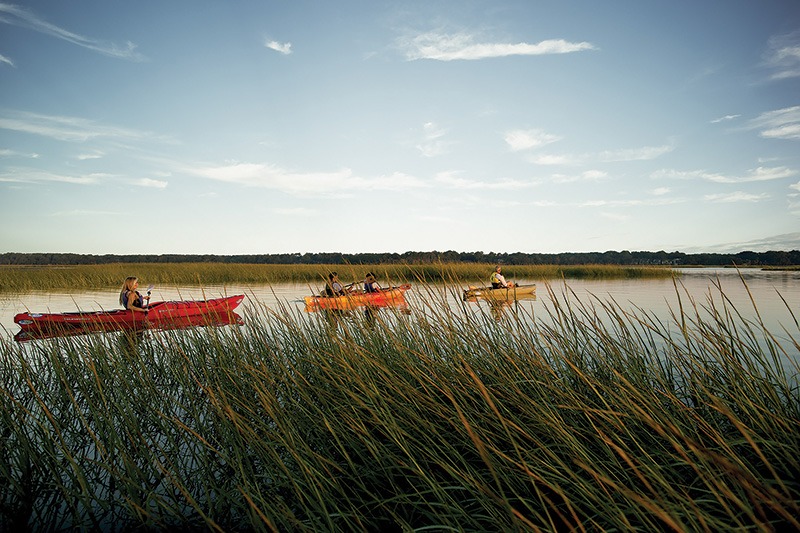
Flexibility and downtime are critical components of incentive programs. For instance, approximately half of Merry Maids’ five-night itinerary is left unscheduled for personal exploration. “They don’t want forced fun,” Kramer says. “They want to enjoy the trip and not feel like it’s work.” Unscheduled time allows attendees to explore the destination however they prefer, from shopping and dining to golfing and other fun activities and attractions.
Fain adds, “Our clients want their people to have that free time because they earned it.”
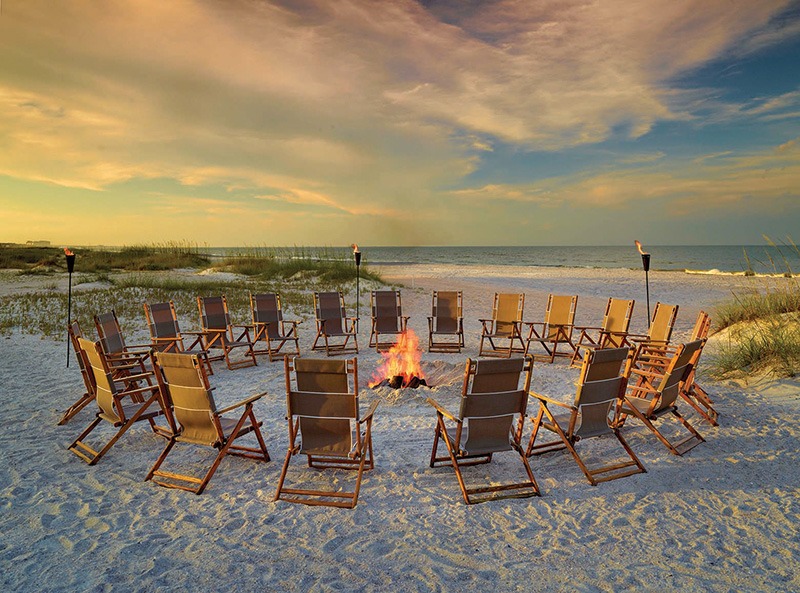
Still, most companies prefer planners to create an itinerary for each type of incentive destination, giving guests plenty of downtime while still enjoying some shared group experiences, high notes, and special celebrations. As Fain explains, Sutton Planning’s typical incentive schedules focus on three touchpoints: a welcome reception, one group activity, and a farewell dinner or awards celebration.
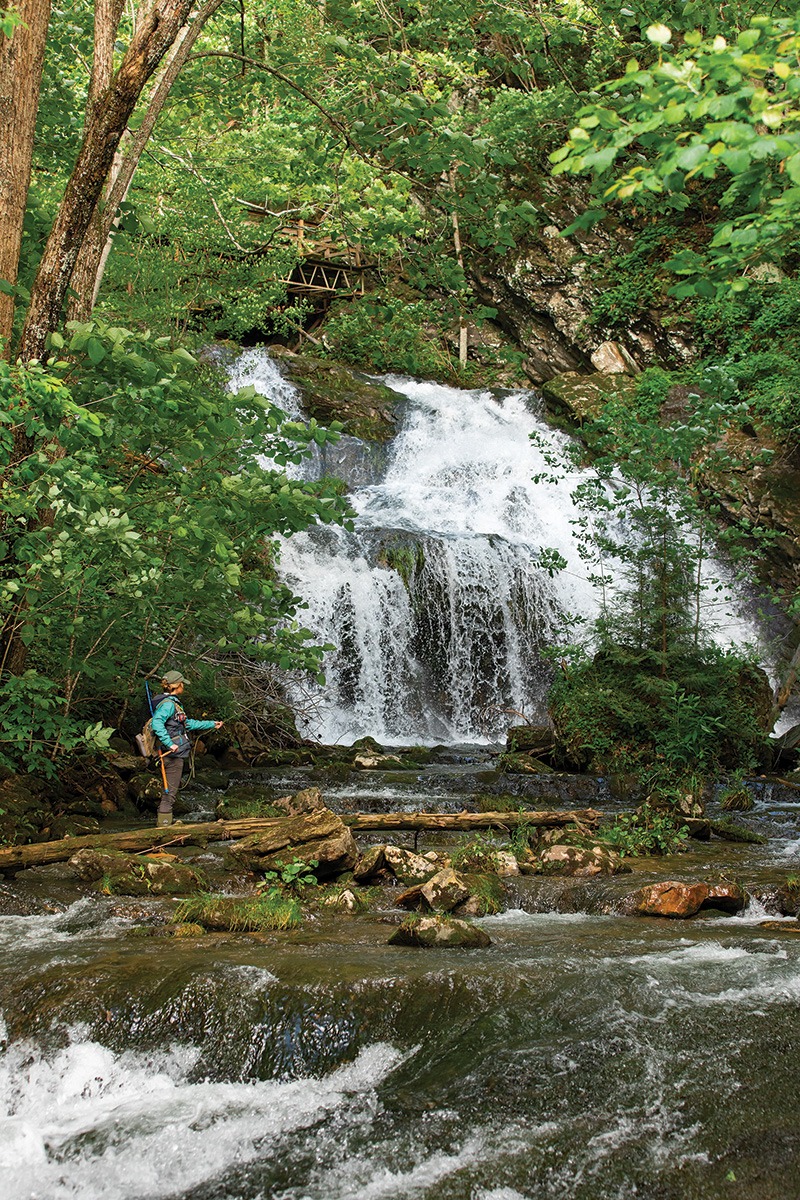
Group excursions should be limited to approximately three hours, Kramer suggests; otherwise, you have to build in an additional group meal. Fishing, skiing, and golf remain among the most popular group activities, Taylor says.
F&B is adapting
According to a 2025 Gallup poll, only 54% of U.S. adults drink alcohol—the lowest rate recorded in nearly 90 years, based largely on younger generational habits. This trend is becoming part of standard F&B offerings during incentives. “They just choose not
to party as much as some of the other groups,” Taylor says of Gen Z. “I always
add a fun mocktail on the menu for the welcome reception.”
Dietary accommodations are increasingly important, Kramer says, with gluten-free and dairy requests rising noticeably. Local F&B experiences are also being integrated into events, adding a true cultural experience to dining, she says.
Adds Taylor, “Event planners have to prioritize menu diversity over one-size-fits-all approaches.”
Partnerships, personalization & authenticity are key
Just as incentive trips should feel like a personal reward to attendees, they should reflect the individual destinations to create a unique experience. Strong partner relationships with DMCs, DMOs, and local tech providers are essential.
Sutton Planning partners with the local DMC when selecting gifts that incentive guests will remember, Fain says. “Letting attendees experience the destination is so important.”
For a great experience, planners should get a true sense of guests’ interests. For instance, planners increasingly are personalizing welcome amenities and tailoring in-room gifts to individual preferences, Taylor says. “You have to know your attendees.”
Planners are prioritizing meaningful, locally sourced gifts, according to the IRF study. In many cases, they coordinate with hotel staff in providing high-impact gifts. “Being really intentional about gifts has
been one of my bigger initiatives,” Kramer says. “Attendees increasingly value meaningful gifts over expensive ones. Printed photos and surprise in-room gifts create emotional connections.”
In addition, many organizations are offering gift cards because they offer flexible, practical value during economic uncertainty, the IRF study reveals. Employees enjoy having the freedom to use the gift card as they choose—whether for everyday necessities or small indulgences. The IRF study also reveals that dining gift cards have surpassed online retailer gift cards.
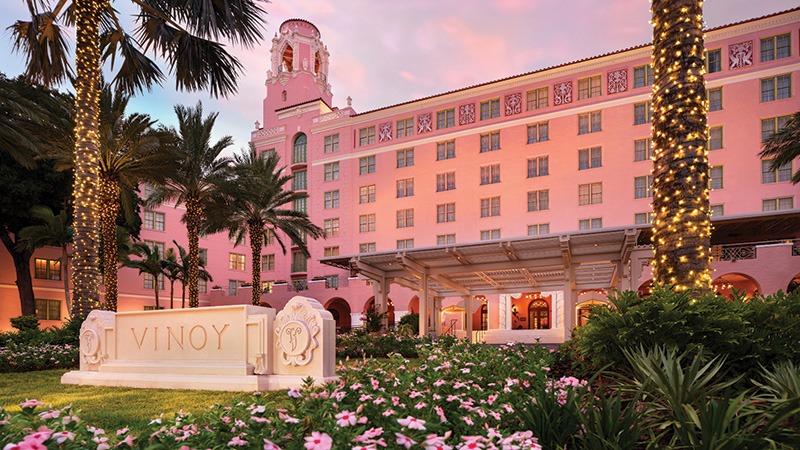
Autograph Collection has been a
symbol of timeless elegance and
modern sophistication in
St. Petersburg since 1925. Courtesy The Vinoy Resort & Golf Club, Autograph Collection
ROI on incentives
According to a 2026 U.S. Travel Association study, incentive attendees return to work more energized and more productive. Incentive trips make employees feel valued and give them the opportunity to create memories, the study adds.
With such results, Fain predicts incentives will remain a vital part of corporations’ event portfolio. More stakeholders are closely reviewing budgets before approval, but Fain believes Sutton Planning’s clients will continue to give incentives the green light. “Incentive programs are a business tool for a lot of these companies,” Fain adds.
Incentives can serve as a form of reunion among companies’ recurring winners, Taylor says, helping build teamwork when groups are scattered across different locations.
The right tone and touches go a long way with incentives, according to Kramer. “You don’t want it to feel like just a work trip. It’s super important they won this trip, and they want to feel like they’re being celebrated.”