Strong relationships help planners secure the right venues and score key concessions for events

Brenda Glass, an independent meeting planner who specializes in site selection, has built her 30-year career on pleasing the smartest people in the room. One of her secrets to success is learning clients’ preferences, especially their non-negotiables. For example, while the brain surgeons she represents are willing to spend big on their events, they insist their host hotels provide shuttles to and from the airports.
“They don’t like renting cars,” Glass says. They also don’t like making “house calls” to the same host hotel/destination. As Glass scours the country looking for potential host venues, these preferences guide her in securing specific concessions and perks.
In addition to planning events for brain surgeons, Glass secures venues and negotiates contracts for a variety of events, including board meetings, state government associations, federal meetings, and niche social groups. The secret to her longevity, she says, is getting to know the people she works with—both clients and suppliers. As Glass explains, prioritizing her group’s wishes and understanding what the venue values most allows her to strike equitable deals, foster strong relationships, and build a reputation. “You’ve got to walk away from the table with both sides thinking that they have won,” she says.
Sometimes, that is easier said than done.
Tyra Warner, Ph.D., Esq., CMP, is an attorney and professor of Hospitality and Tourism Management at the College of Coastal Georgia in Brunswick. In addition to teaching courses in law, crisis management, and meetings and events, Warner regularly consults with planners and industry organizations, including the Events Industry Council and Meetings Professionals International. Since the COVID-19 pandemic, Warner says planners have been at a disadvantage negotiating with hotels and venues. “It seems to be a seller’s market, with no visible end in sight.”
Planners who walk into negotiations prepared can still claim victory. While finding the right venues and negotiating favorable rates are among the top priorities, so is protecting the event from problematic contract clauses that could lead to financial damages. Here, we explore how planners can best represent their events, from start to finish, when sourcing venues.
The state of negotiations
While hotels and venues are generally operating from a position of power, as Warner notes, there has been noticeable turnover in the hospitality field. In fact, according to U.S. Bureau of Labor Statistics, the leisure and hospitality industry has some of the highest job separation rates of any industry in the United States. Frequent turnover means planners are rebuilding relationships at trusted venues.
Michele Stephenson, CEO and founder of MDS Events, has been pleased with recent venue dealings. “One of the biggest shifts I’m seeing is that while hotels are more open to concessions, they are also being more protective in their contract language,” she says.
The timing coincides with several challenges facing planners. According to a Cvent study, 65% of planners say F&B costs are higher than expected, while 61% say higher accommodation rates are an issue when sourcing.
Meanwhile, international travel to the United States decreased by 6% last year, which directly affected international events. The U.S. Travel Association is among the organizations bemoaning long waits to obtain visas and other travel documents. Science-based conferences have also faced challenges due to the revocation of research funding. Late last year, an extended government shutdown also affected events, which had to find new venues or cancel.
Rob McCulloch, senior vice president of operations for ConferenceDirect, a leading third-party event planning agency that procures and plans thousands of meetings across the country each year, says hotels are starting to feel the pinch from the cuts. “Given the softening that we have seen in international inbound travel, government spending, and individual leisure spending, hotel room rates have been flattening and coming down, when adjusted for inflation,” he says. “This trend is in large cities and mid-sized cities alike.”
To mitigate risks when hosting conventions and meetings, hotels add attrition clauses to contracts to protect themselves if they are unable to fill rooms originally assigned to events. Some venues are taking more aggressive steps. For example, while working on a contract for a client’s event at a prominent resort, Warner inquired about extending the group rate or receiving credit for rooms booked immediately before or after the event—for attendees who wanted to bring their family for a bleisure experience, which is a common practice in business travel. According to Warner, the resort refused both requests unless those rooms were charged to the group’s master bill.
“Because this issue wasn’t key to the group’s meeting arrangements, the group conceded the issue,” Warner says, adding, “I imagine their attendees were not very happy about it. This is an example of a hotel flex that would be less likely to occur in a buyer’s market.”

Getting in with the locals
While technology has greatly expanded the ability to research and even tour venues online, familiarization (FAM) tours remain valuable for sourcing events. “It’s critical to see the property in person, understand the layout, and get a feel for the service, meeting space, and overall guest experience,” Stephenson says. “You really can’t fully evaluate a venue without seeing it firsthand.”
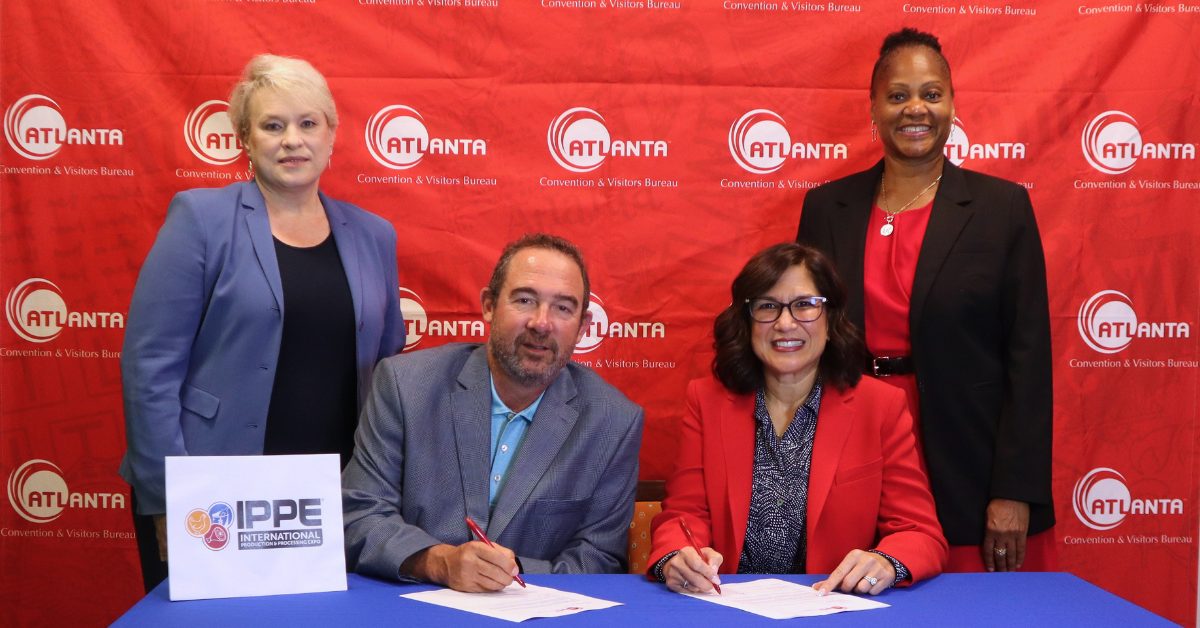
Being on the property and in the city also gives you valuable face time with the staff who will support your event. This includes meeting with members of the local convention and visitors bureau (CVB).
In many ways, the CVB can come to a planner’s rescue when faced with difficult negotiations.
Stephenson recently booked an event in Greenville, S.C., totaling approximately 1,500 room nights, including all of the hotel’s meeting space, F&B, and an offsite event. Because it was for a government organization, there was a high degree of scrutiny on the budget. The Greenville CVB stepped in, contributing $20,000 toward the event, which Stephenson allocated for audiovisual costs. “It made a huge impact and was a great example of how valuable those destination partnerships can be,” Stephenson says.
Likewise, Glass has secured CVB incentives ranging from $5–$12 per room night, for up to $10,000. “Even if I know the hotel we’re going to book, I always route RFPs through the CVB to secure incentives,” she says.
Glass adds another way to foster relationships with venues and CVBs is by attending industry events, such as ConventionSouth’s annual Rendezvous South. The boutique hosted-buyer conference allows planners and suppliers to lay the foundation for future business during pre-arranged appointments and networking sessions. “This industry is all about relationships,” Glass says.
Talking points
While the goal of venue negotiations might be to achieve equitable terms that benefit both sides, planners need to come in with the right mindset, Warner says. Events help hotels book rooms that might otherwise remain unoccupied, particularly midweek, but they also incur other charges that hotels can bank on when contracts require groups to use in-house audiovisual and meet a minimum F&B order.
Warner suggests planners emphasize the value of their business, using figures from the previous event to counter some of the venue’s demands. She encourages planners to show how their event is a can’t-miss opportunity for the hotel. “Stress the positives of the meeting, especially the intangibles that may not be apparent in writing,” Warner says. “News coverage, high-profile speakers, and such can be a leverage booster, just as a big room block and strong F&B program.”
Flexibility is also a bargaining chip. Glass tries to align conferences with a destination’s offseason, like going to the Florida Panhandle in winter and to south Florida in summer. Venues are more likely to offer lower rates when there’s less of a guarantee they can fill rooms with leisure travelers, Glass notes.
No matter how promising a venue might seem, Warner suggests planners keep their cards close to the vest and also have a backup in mind. “If a hotel knows the planner is already set on holding their meeting there, the planner has lost their leverage,” she says.
Notably, Cvent finds that 97% of planners indicated they would switch from a preferred venue to a second choice for a cost savings of 20 percent or less.
Before negotiating deals and signing a contract, there is a basic step all planners need to take: sourcing. No matter how good the deal is, if the venue won’t work for the group’s needs, Stephenson says you need to look elsewhere. She has a three-point checklist to make sure the venue is the right fit: “First, consider how the space actually works for the program,” Stephenson says. “Second is the hotel team itself; having a responsive, experienced, and solution-oriented team makes a huge difference in the success of the program. Third is the contract—making sure the terms protect my client while still delivering strong value and flexibility.”
McCulloch says it is equally important to understand your client’s budget and needs, and if they align with the venue’s fee schedule. “In this day and age, when audiovisual costs may be the same as your F&B budget, or even higher, it’s critical to discuss every line item to determine if a venue is even worth recommending to the client.”
Make your concessions count
In her experience, Glass has found some groups more willing to pay for certain line items and uncompromising on others, like
the brain surgeons’ insistence on transportation to the airport.
Working with hotels to juggle funds around allows both sides to walk away satisfied. Many organizations and their planners are averse to paying a meeting room rental fee, Warner notes, but might be willing to pay the same amount, say $1,500, above the F&B minimum. In such cases, Warner says there usually are few complaints from either side.
“It’s about building the right overall package that makes sense for the client,” adds Stephenson, who tries to secure room upgrades and comps for staff when pushing back on hotels.
Warner advises planners to read the fine print. She’s seen some venues try to pass off standard services as concessions to make the contract seem more planner-friendly than it really is. “The planner has to make sure all the concessions are meaningful,” she says.
Another smart tactic to get more from the venue is to book as early as possible. Glass has booked events through 2032, securing venues at today’s pricing.
McCulloch says the more lead time his team has, the more likely they are to find destinations that match their cost, fit, and location needs. “If you look at the industry trends, the majority of events are contracted within 12 months,” he says. “If we could start to look for venues six or three months sooner, we would not be competing with as many other customers for limited hotel group inventory.”
Protection planning
The most common threats to pulling off an event at full capacity—or, in the worst cases, to pulling it off at all—are bad weather, civil unrest, and government policy. Planners need to protect themselves, their clients, and their events from such uncontrollable factors.
According to Warner, there are key contract clauses to evaluate, which she refers to as “the big four”: attrition, cancellation, force majeure, and indemnification. “They have the biggest financial impact on the meeting organizer and apportion risk between the parties, so they will always be among the most important,” she says.
Warner advises planners to never take anything for granted, especially as it relates to force majeure. While force majeure clauses are intended to release parties from liability in the event of uncontrollable, unforeseen disruptions—such as
a natural disaster, war, or pandemic—the sides don’t necessarily see eye to eye on what qualifies.
“Planners will never be able to list every possible force majeure event that could happen,” Warner says. “I prefer force majeure contracts to include three measures: illegal, impossible, or commercially impracticable. It gives both parties broader coverage. Yes, it means having to interpret the gray areas, but that’s the nature of contracts for you.”
Attrition can be even more contentious. Glass recommends an 80% attrition rate for groups with a strong track record and 70% for events lacking an established history. Glass has been fortunate to have only one attrition claim in 30 years.
“One thing that is important is making sure the meeting organizer gets credit for all room revenue-generating activities—making sure that no-show fees, early departure fees, etc., are counted toward the group’s pick-up for purposes of calculating room attrition,” Warner says. “Another best practice is making sure attrition and cancellation fees are based on lost profits rather than lost revenue. The hotel is not entitled to a windfall in an attrition or cancellation situation.”
If a group pays attrition damages for underperformance, they shouldn’t also lose concessions, Warner adds. “That’s double dipping.”
Glass recommends planners have a lawyer review all contracts to identify any red flags and ensure their organization’s and/or client’s bylaws and other standards are met.
Despite the potential pitfalls, Glass believes things can work out well if you have a cooperative attitude toward venues. She resolved the aforementioned attrition case by rebooking the same event for another time.
According to Stephenson, it pays to play nice with others. “Build strong relationships with CVBs and hotel partners,” she says. “Come prepared, understand the value of your group, and don’t be afraid to ask for concessions. Having those relationships and knowing the market makes a huge difference in negotiations.”
Planners’ Checklist
- Visit the venue in person on a FAM or site visit
- Reach out to the local convention and visitors bureau to seek out incentives or other deals
- Research your event’s attendance and room block history for leverage
- Be flexible on dates, if possible
- Book as early as possible to lock in rates
- Find a bargaining chip (like going over the F&B minimum) to offer as a trade to avoid
one of your dealbreakers - Strive for an 80% attrition rate
- Make sure you get credit for all achieved
room nights - Seek an expanded force majeure clause to cover government-related disruptions
- Read the fine print