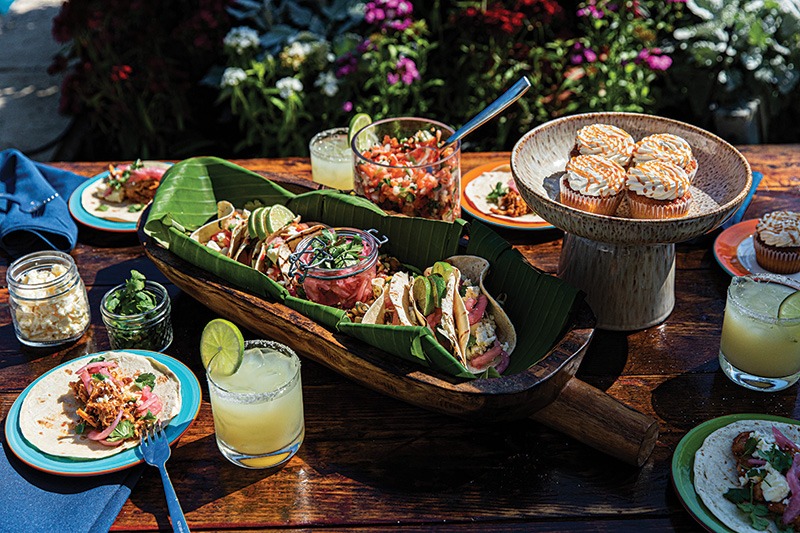
Beyond keynote sessions and carefully curated agendas, today’s meetings and events are being defined by something far more immersive: the culinary experience. F&B is no longer viewed as just a supporting act—it’s a centerpiece and, increasingly, a reflection of place. Across the South, planners are tapping into a dynamic, diverse dining landscape, where locally sourced ingredients, chef-driven concepts, and craft beverage programs come together to create moments that resonate long after the final course is served.
“F&B has shifted from being a line item to being a core part of the experience design,” says Brian Ferrell, founder and CEO of factor 110. “Attendees no longer see meals as a break in the program; they see them as part of the program.”
Today’s culinary offerings are designed to engage. Attendees aren’t just eating food—they’re discovering the story behind a region, meeting the makers, and savoring authentic flavors and innovative creations. Destinations are embracing this evolution in distinct ways, bringing their own culinary identities to the table. From global influences in major meeting hubs to deeply rooted traditions and rising food scenes, planners have more opportunities than ever to infuse their events with a true sense of taste and place.
Atlanta: a culinary crossroads
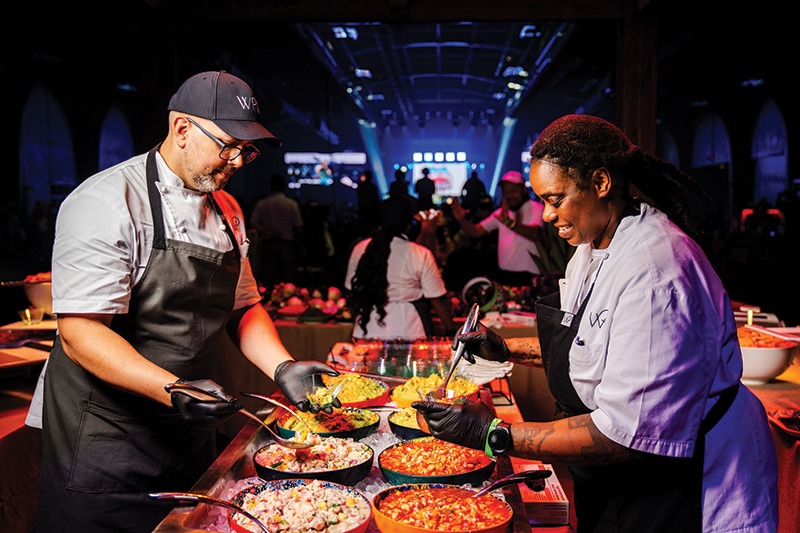
Atlanta combines big-city scale with a culinary scene rooted in Southern tradition yet shaped by global influence, creating a powerful platform for innovative food and beverage experiences.
At the Georgia World Congress Center (GWCC), that versatility is on full display. The venue’s ability to execute everything from intimate executive receptions to events serving tens of thousands, all while maintaining a high level of culinary creativity, sets the tone for what planners can expect in the city. Its in-house culinary team emphasizes fresh, locally sourced ingredients and elevated presentation, reflecting broader industry shifts toward personalization and experience-driven dining. “F&B at the GWCC is more than just a support function,” says Billy Velasquez, executive chef of F&B services at GWCC. “It’s a strategic partner in the success of every event. As guest expectations rise, we continue to innovate with intention, balancing creativity with consistency.”
Those shifts are especially evident in today’s most in-demand offerings, from health and wellness-focused menus to elevated grab-and-go concepts and interactive culinary activations. That might mean customizable grain bowls, raw juices, and gluten-free baked goods, or globally inspired bento boxes and “hot bowls” designed to serve thousands efficiently without sacrificing quality. Chef-attended stations add to the energy, with Southern staples like shrimp & grits and chicken & waffles reimagined as interactive experiences doubling as both meal and entertainment. “Live chef stations are increasingly popular, even in high-volume settings,” Velasquez says.
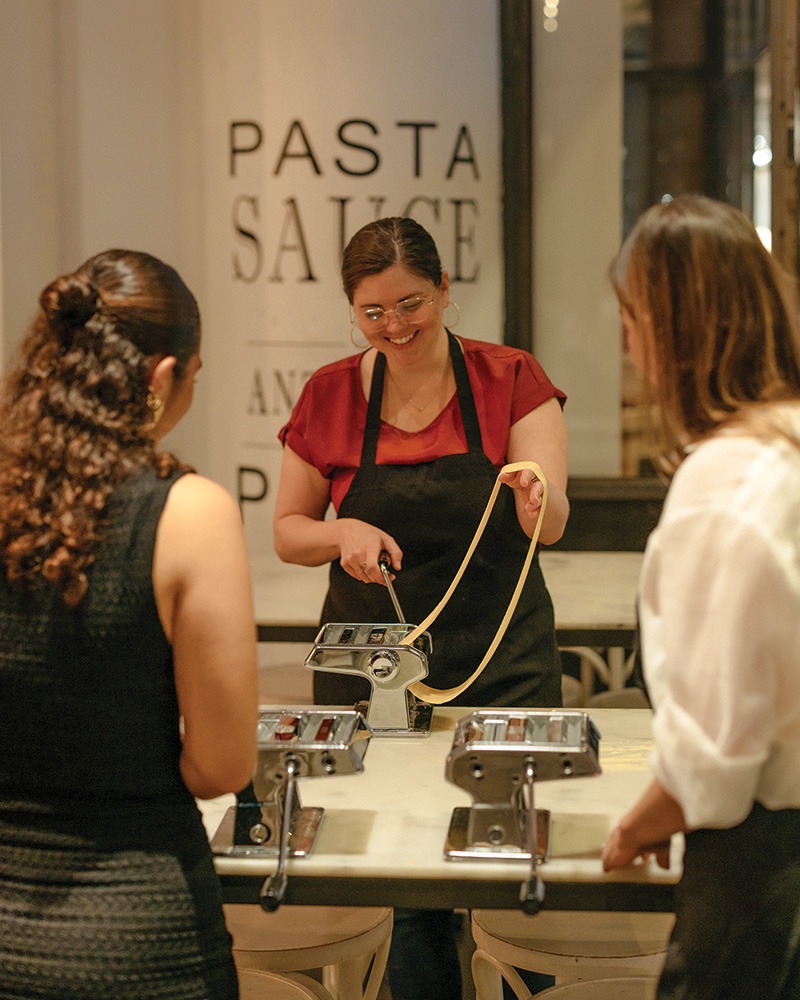
Across the city, that same balance of innovation and authenticity continues to define Atlanta’s dining scene. At Atrium and Bellina Alimentari—two concepts by restaurateur Tal Baum at Ponce City Market—the experience goes beyond the plate. Set within a historic building along the BeltLine, the Ponce City Market offers groups an environment that feels local while still delivering a wide range of culinary perspectives. Baum’s concepts reflect key trends shaping group dining today, from seasonally driven menus and high-quality sourcing to flexible, experiential formats like shareable plates and interactive elements like pasta-making and curated wine experiences. At Atrium, that translates to refined, modern American cuisine with a focus on clean flavors and elevated presentation, while Bellina Alimentari offers a more relaxed, ingredient-driven take on Italian tradition rooted in simplicity and authenticity. “The food needs
to be grounded in something familiar, even if there’s a creative twist,” Baum says.
“We focus on clean flavors, high-quality ingredients, and thoughtful execution rather than overcomplicating dishes. When you do that, you can still have a strong culinary perspective without alienating guests.”
Wolfgang Puck Catering brings a similarly thoughtful approach to large-scale events. Menus lean into regional flavors like peaches and pecans while also reflecting broader wellness trends through lighter, seasonal offerings. “We’re seeing a shift toward seasonal, health-conscious choices,” says Allison Grady, senior director of sales and catering for Wolfgang Puck Catering. “Instead of traditional sandwich-and-salad menus, we offer options like a grain bowl bar.” Interactive elements are also central to the experience, from build-your-own stations to chef-led activations connecting guests more directly to the food and its origins. This approach often comes to life through partnerships and storytelling, combining locally sourced ingredients and onsite engagement, Grady says. “For an event next month, we are partnering with a local farm on an interactive ‘make your own grain bowl and salad station,’ with a farm representative on hand to talk about their produce, farming practices, and seasonality. Guests are always intrigued by how the food was grown.”
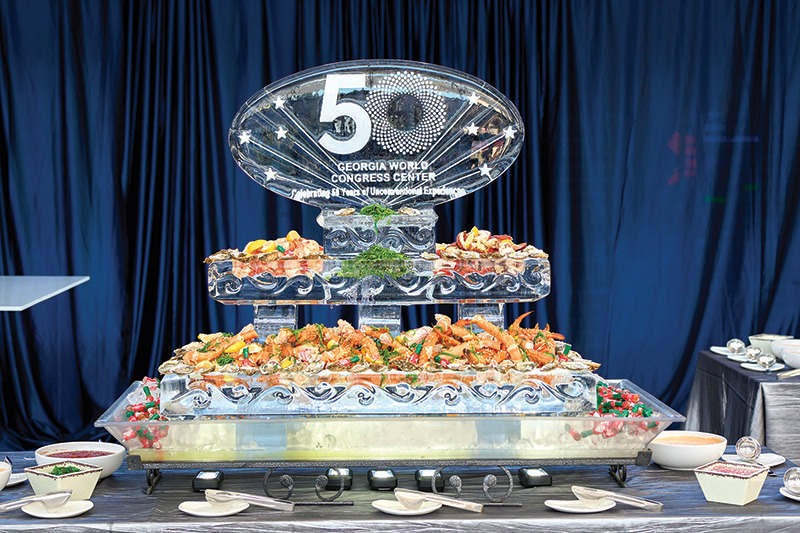
Similarly, Proof of the Pudding approaches menus with a chef-driven mindset, reimagining classic Southern ingredients through a more modern lens. Familiar dishes like shrimp & grits, buttermilk fried chicken, and pimento cheese are elevated through refined techniques, while more inventive presentations—such as seafood-driven displays like their “Winter Seacuterie,” featuring sushi, lobster, crab, and oysters—bring a global sensibility to the table. “It’s no longer a choice between traditional or modern,” says Chris Bazemore, director of sales and business development for Proof of the Pudding. “Clients want menus that reflect Atlanta’s roots while also speaking to a diverse, well-traveled audience.”
At InterContinental Buckhead Atlanta, this duality is equally apparent. Menus are highly customizable, allowing planners to strike a balance between showcasing Southern staples and introducing globally inspired options, such as poke bowls, street tacos, paella, and dim sum. Flexibility extends to the format itself, where chef- and mixologist-attended stations—from gourmet small plates to made-to-order favorites like mini donuts and eggs Benedict—create a more interactive, personalized experience for guests. Brian Ettelman, director of catering and conference services, says, “These experiences create natural points of engagement, allowing guests to connect with the culinary team while enjoying something personalized, whether it’s a composed plate or a crafted cocktail.”
Charleston, S.C.: a Lowcountry culinary destination
Renowned as one of America’s most celebrated food cities, Charleston offers an ingredient-driven approach. Here, the focus shifts from scale to storytelling, where Lowcountry flavors and seasonal sourcing shape menus. For planners, that translates into boutique experiences where food and beverage not only reflect the destination but also help define it.
“What makes Charleston stand out is how naturally F&B is woven into the experience of being here,” explains Matt Owen, vice president of communications for Hotel Bennett. “It’s not something that feels added on for meetings; it’s already part of the city’s identity. We have an incredible network of chefs, farmers, fishermen, and purveyors who are deeply connected to the region, and that shows up on every menu.”
Local storytelling is at the heart of the culinary experience at Hotel Bennett. The property draws on the rich bounty of the Lowcountry, emphasizing seasonal, locally sourced ingredients, such as Carolina Gold rice and North Carolina lump crab. Menus are designed to be both elevated and approachable, offering planners flexibility to create tailored experiences for their groups. This philosophy comes to life in interactive stations, from oyster shuckers serving raw oysters to chefs preparing seared crab cakes tableside, or a Southern barbecue counter featuring carved brisket and pulled pork with house-made sauces. “Guests are looking for more than just a meal—they want interaction, storytelling, and a real sense of connection,” Owen says. “For us, it’s about creating those standout moments that guests carry with them long after the event ends.”
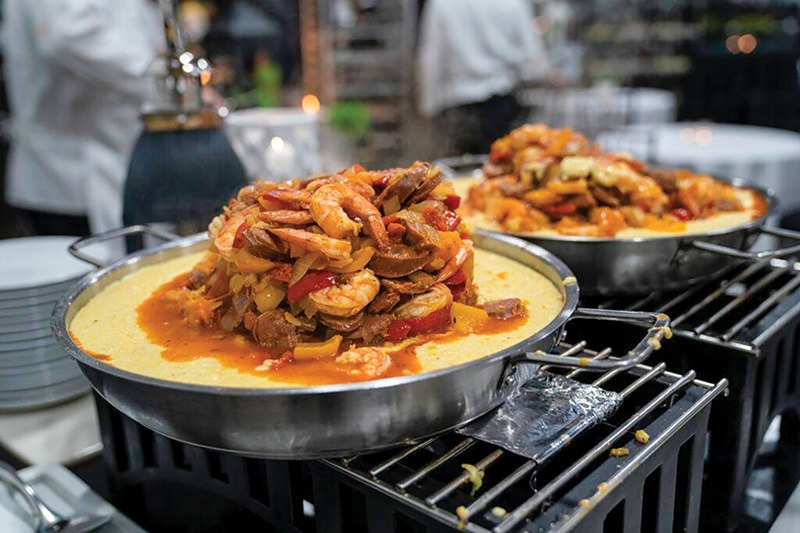
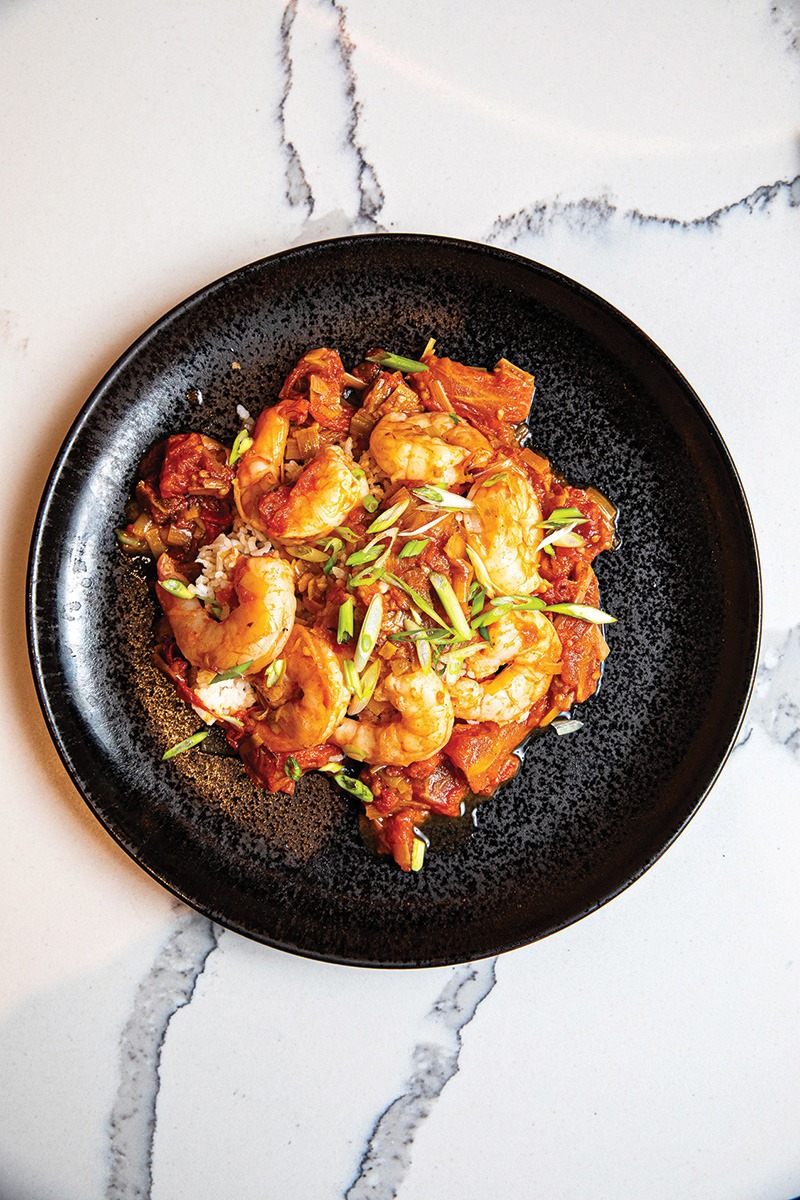
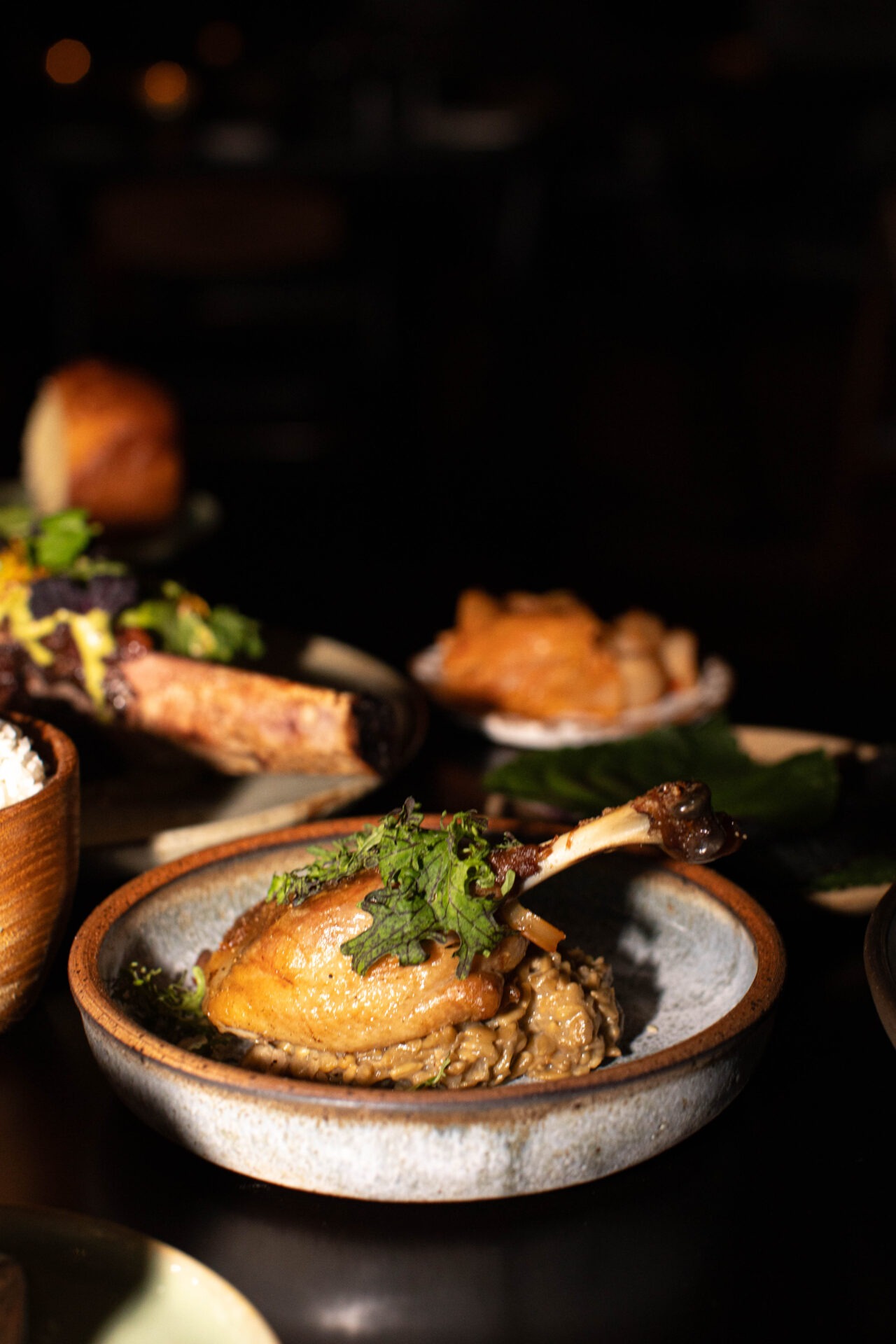
At The Mills House, Curio Collection by Hilton, meetings are intentionally designed to mirror the dining experience at its in-house restaurant, Iron Rose. Executive chef Suzy Castelloe focuses on translating the restaurant’s seasonal, Southern-forward menu into formats that maintain the same level of quality, presentation, and guest interaction, whether through plated dinners or reception-style gatherings. “Groups don’t want the standard stereotypical banquet event anymore,” Castelloe says. “They want it curated specifically to what their groups want—more of a create-your-own-menu planning process.” This approach allows signature dishes—like an oyster & shrimp stew with chorizo and Carolina Gold rice or a barbecue pork belly blending regional flavors—to be served in a way that feels true to the restaurant. Specialty cocktails and locally brewed beers further reinforce a dining experience that feels less like a banquet and more like a night out in Charleston.
Wild Dunes Resort delivers authenticity and seasonality in its meeting menus as well. The culinary team leans into Lowcountry staples like shrimp, oysters, and Carolina Gold rice while layering in global influences, from Korean-inspired sauces at a traditional Lowcountry boil to Mediterranean or Southeast Asian touches that keep dishes fresh and unexpected. “The goal is always to respect tradition while keeping the experience fresh, relevant, and a little unexpected for our guests,” says Shawn Signer, executive banquet chef.
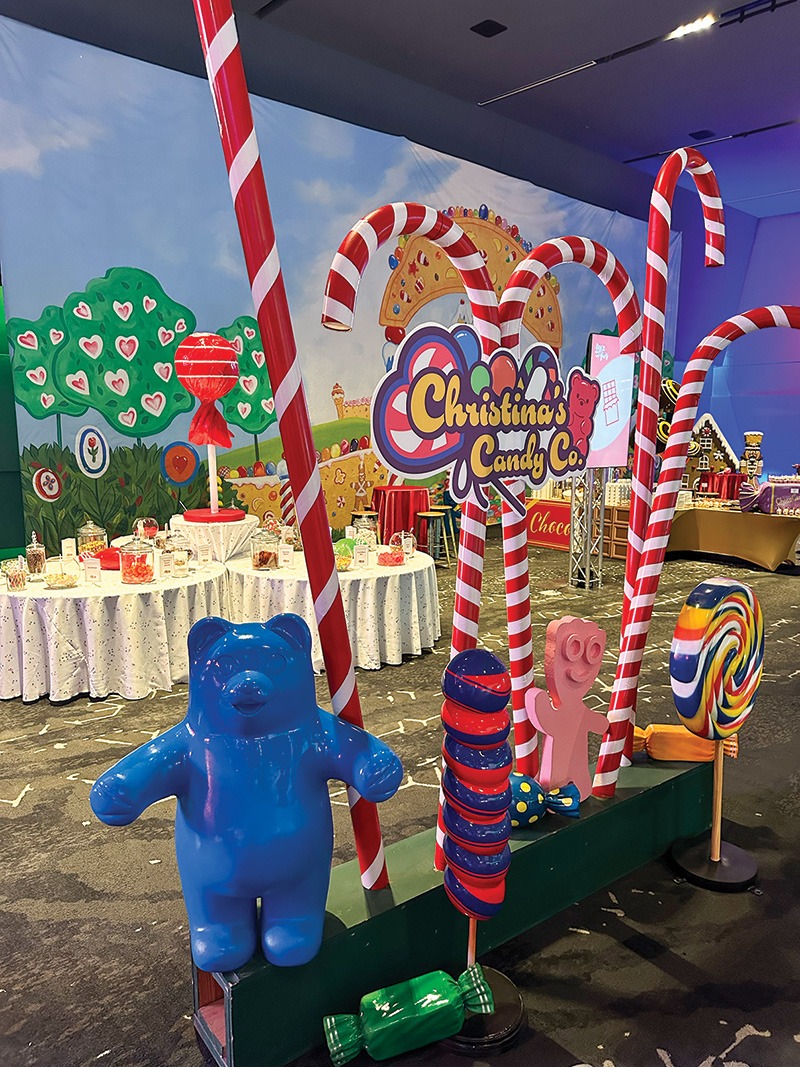
San Antonio: a taste of heritage
As planners look beyond the expected, destinations like San Antonio are gaining traction. The city’s culinary scene is deeply
rooted in culture and history. As a UNESCO Creative City of Gastronomy, San Antonio brings together culinary influences from Mexican, Spanish, German, French, and Indigenous traditions, shaped in part by homegrown talent from the Culinary Institute of America. Chef and restaurateur Johnny Hernandez sees this evolution firsthand.
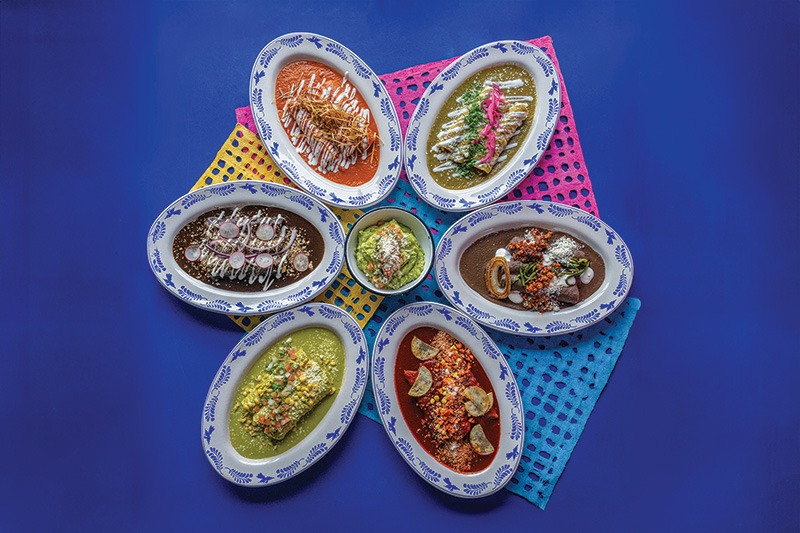
“San Antonio has long been home to its beloved Tex-Mex cuisine, but today it’s leaning into a broader expression of cuisine from the interior of Mexico, with regional dishes, refined techniques, and a deeper exploration of the traditions behind the food,” he says.
For meetings and events, that translates into menus that go beyond the expected—highlighting bold, layered flavors, fresh ingredients, and formats that invite interaction, from ceviche and margarita stations to chef-driven presentations. “It’s about balance and variety,” Hernandez says. “When catering, we bring together bold flavors and contrasting textures in a way that feels abundant and approachable, while still introducing guests to something new and giving them the true flavors of south Texas.”
Rising flavors: emerging culinary destinations
A new wave of destinations is gaining attention for their fresh, creative culinary approaches. Greenville, S.C., has a growing culinary reputation that’s translating into new opportunities for meetings that extend beyond the banquet room. As the city garners national attention—including recent MICHELIN Guide recognition—planners are increasingly looking to tap into its dining scene through offsite experiences and dine-arounds showcasing local flavors, says Jenny Morris, area director of sales and marketing for Hyatt Regency Greenville. “We are seeing more groups wanting to host dine arounds through the city versus your typical banquet dinner,” she says. That interest also carries over on property, where groups are seeking more immersive, restaurant-style experiences, often hosting buyouts of its onsite restaurant, Roost Free Range Kitchen, which features Southern staples like shrimp & grits, barbecue, and biscuits alongside seasonal ingredients and curated beverage pairings.
Bentonville, Ark., is emerging as a must-watch culinary destination, spilling over into its meeting and event offerings. New restaurants, boutique hotels, and food trucks are bringing global flavors to locally sourced ingredients, giving planners the chance to craft genuine and distinctive experiences.
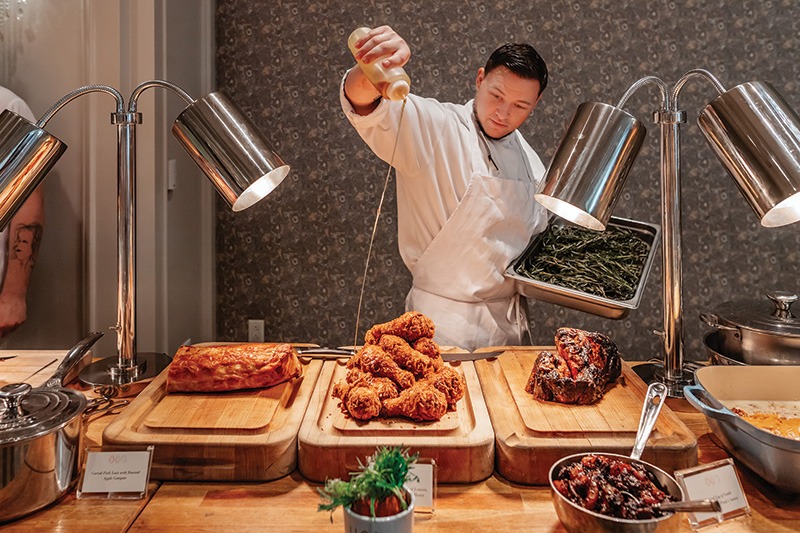
approach to local flavors. Courtesy The Mills House
“Being a caterer in Bentonville is so much fun. All the new restaurants, food trucks, and variety of foods being introduced in the area keep me on my toes,” says Terri Paul of Catering Concepts. For meetings, signature menus like the “Taste of Arkansas”—featuring grilled chicken with pepper cream sauce, roasted pork loin with bourbon sauce, Arkansas rice, and seasonal vegetables—allow groups to enjoy chef-driven dining that reflects the city’s creativity and roots.
Birmingham, Ala., has established itself as a culinary destination, earning widespread acclaim for elevating dishes and using simple local ingredients. “There’s a distinct style in Birmingham,” says Jonathan McKinney, director of sales and marketing at Renaissance Ross Bridge Resort & Spa. “Chefs are taking Southern ingredients and traditions and elevating them. It creates something that feels both rooted and progressive.”
At Renaissance Ross Bridge, an elevated, chef-driven approach directly reflects what meeting planners are seeking. Classic local ingredients like Conecuh sausage, Gulf seafood, and stone-ground grits are reimagined with a modern presentation and global influence, while experiential elements—from chef-led cooking demonstrations to interactive breaks like “Fries with That Shake,” which pairs house-made milkshakes with a chef-attended station—bring energy and engagement to the table.
Beverage programs are also evolving to meet more inclusive expectations, with crafted mocktails and local brews playing a central role. “Planners aren’t just looking for good banquet food anymore. They’re expecting a culinary experience that reflects the destination,” adds Rachel Pace, director of events at the resort. “There’s a higher bar now for creativity, presentation, and authenticity, and we welcome that. It pushes us to think beyond traditional formats and deliver something memorable.”
Chef’s Checklist for Smarter F&B Contracts
A seamless culinary experience starts with a well-structured contract and clear communication. Executive chef Miguel Neira of the Sheraton Dallas suggests planners keep these key considerations top of mind when contracting and designing their F&B programs:
- State the specifics. Ensure the contract clearly defines minimums, guest-count deadlines, and any penalties for under/
over attendance. - Spell out the costs. Require detailed, itemized pricing that outlines all
F&B, staffing, linen, tax, and service charge inclusions. - Clarify the terms. Payment schedules, deposit requirements, and cancellation or attrition policies should be clearly outlined.
- Build in flexibility. The contract should allow for menu adjustments and include a clear process for accommodating dietary restrictions.
- Map the timeline. The full event schedule—including setup, service, breakdown, and any overtime fees—should be detailed.
- Define service and staffing. Staffing roles, ratios, and the selected service style—buffet, plated, or stations—should be specified.
- Put it all in writing. Document all details and changes, while allowing flexibility for minor last-minute adjustments.
Star Power: Celebrity-Owned Restaurants That Wow Groups
Booking a meal at a celebrity-owned restaurant can bring instant excitement to any group event. Beyond great food, these spots offer unique atmospheres and experiences that guests won’t forget.
1587 Prime | Kansas City, Mo.
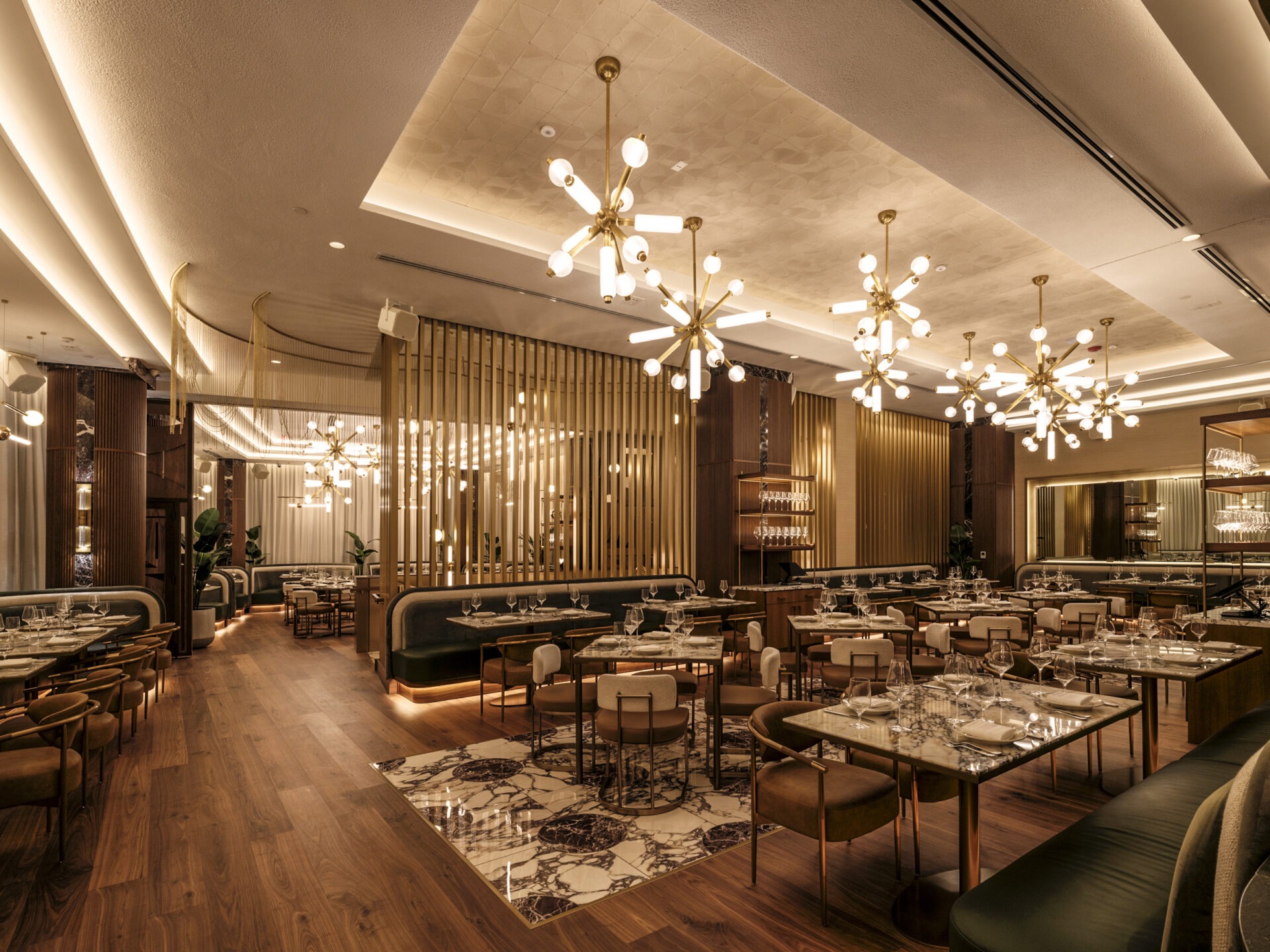
At 1587 Prime, star power meets standout dining in a way that’s tailor-made for groups. Co-owned by the Kansas City Chiefs’ Patrick Mahomes and Travis Kelce, this steakhouse pairs elevated cuisine with an energetic atmosphere. With ample space, private dining options, and a polished yet playful vibe, the experience goes beyond the plate. The menu does not disappoint, featuring premium cuts, fresh seafood, and creative cocktails.
Casa Rosa | Nashville, Tenn.
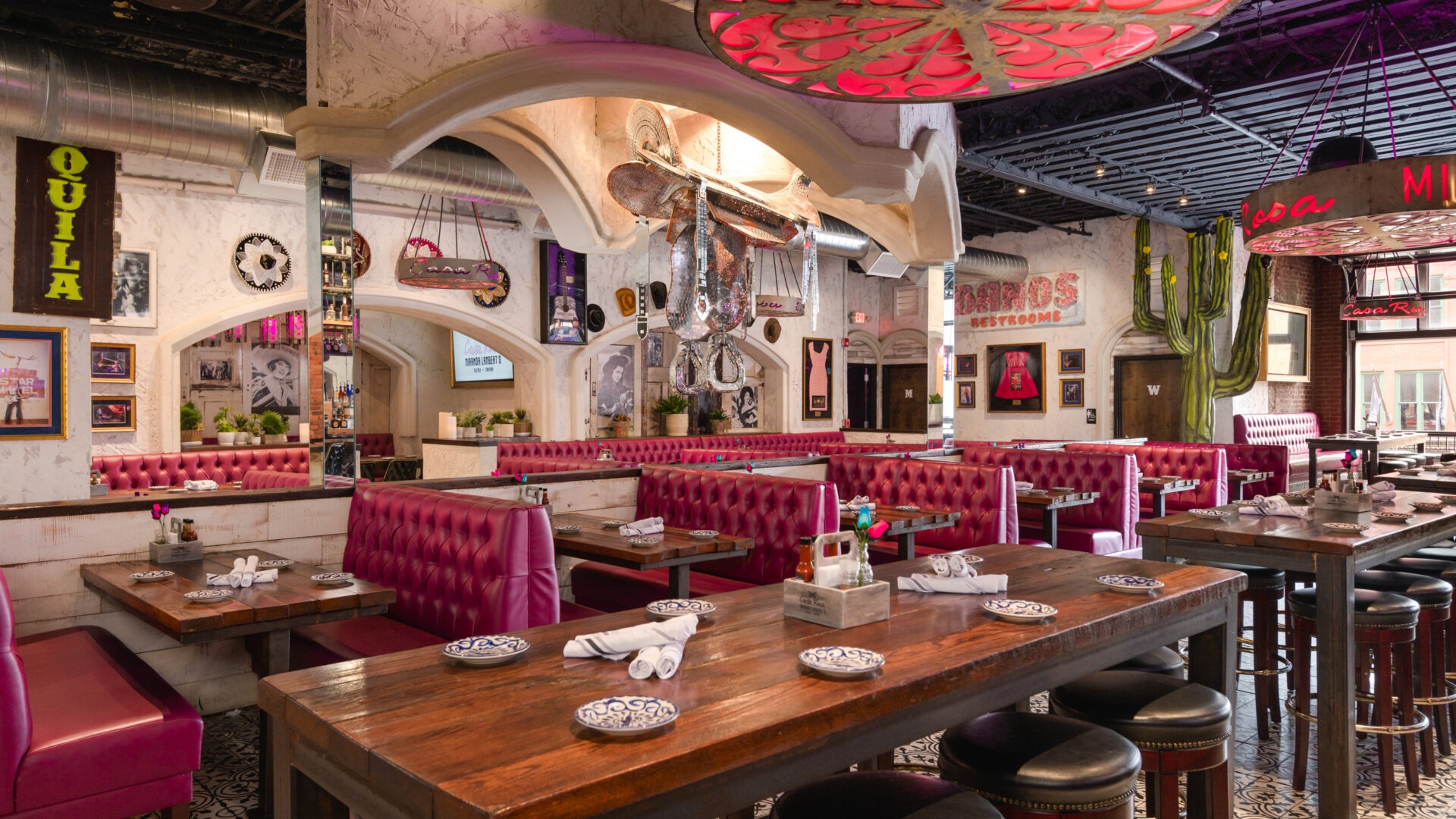
At Casa Rosa, country star Miranda Lambert brings bold personality and a touch of honky-tonk glam to the group dining scene. Spanning four vibrant floors, the venue—owned and operated by TC Restaurant Group—offers flexible options for everything from full buyouts to rooftop gatherings. Planners can even lean into branded activations, from logo-stamped churro carts and color-coordinated cocktails to interactive entertainment like songwriter sessions or themed performers.
The Twelve Thirty Club | Nashville, Tenn.
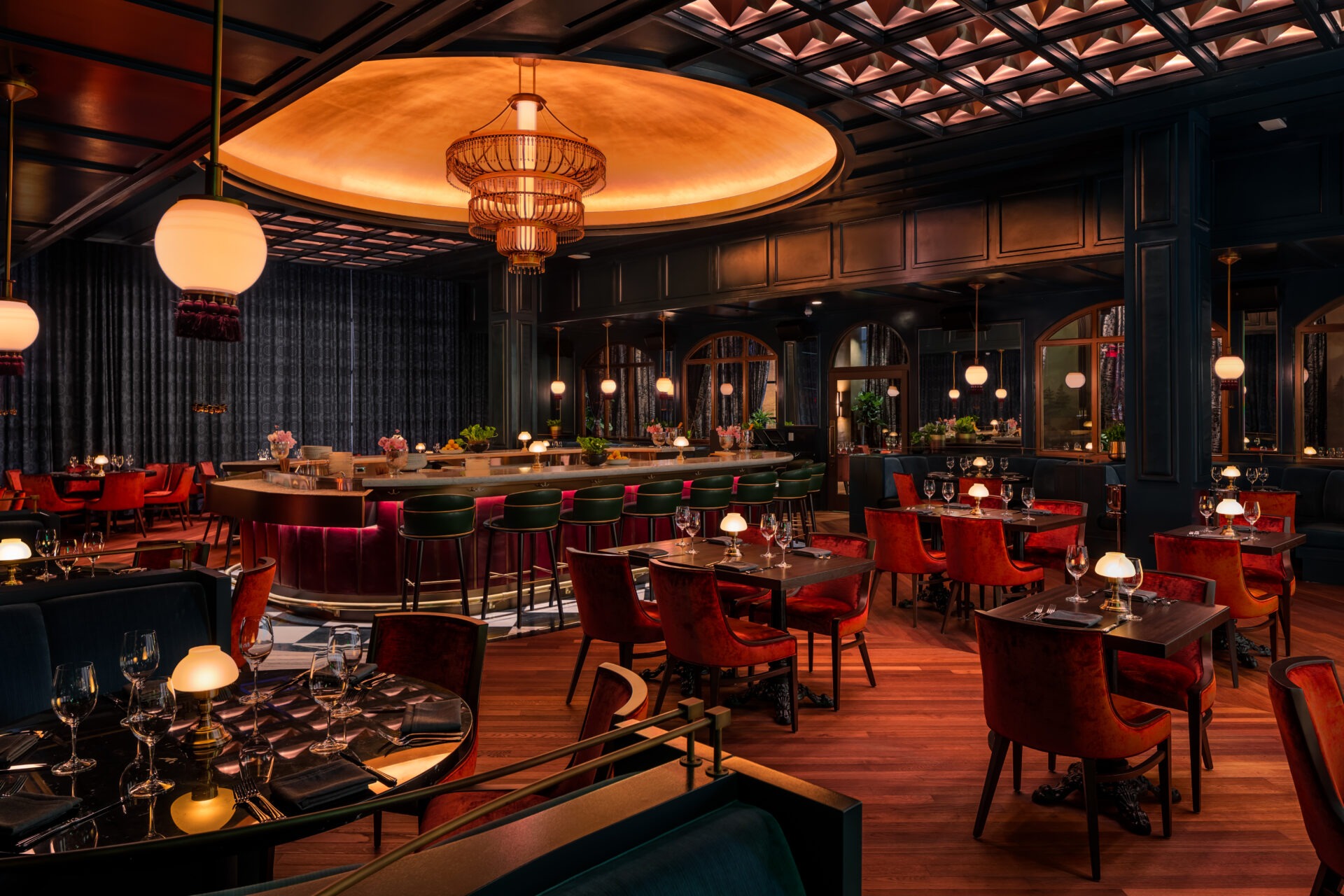
Singer Justin Timberlake brings a refined take on the classic supper club with his restaurant, The Twelve Thirty Club. Designed for everything from intimate receptions to full-scale buyouts for up to 1,000 guests, the multi-level venue blends upscale dining and curated entertainment, from the main stage and rooftop terrace to a cocktail lounge and private event space. What sets it apart is its restaurant-driven approach to event dining, with dishes prepared made to order in the main kitchen, just as during regular dining service.
Ramsay’s Kitchen | Caesars Virginia, Danville
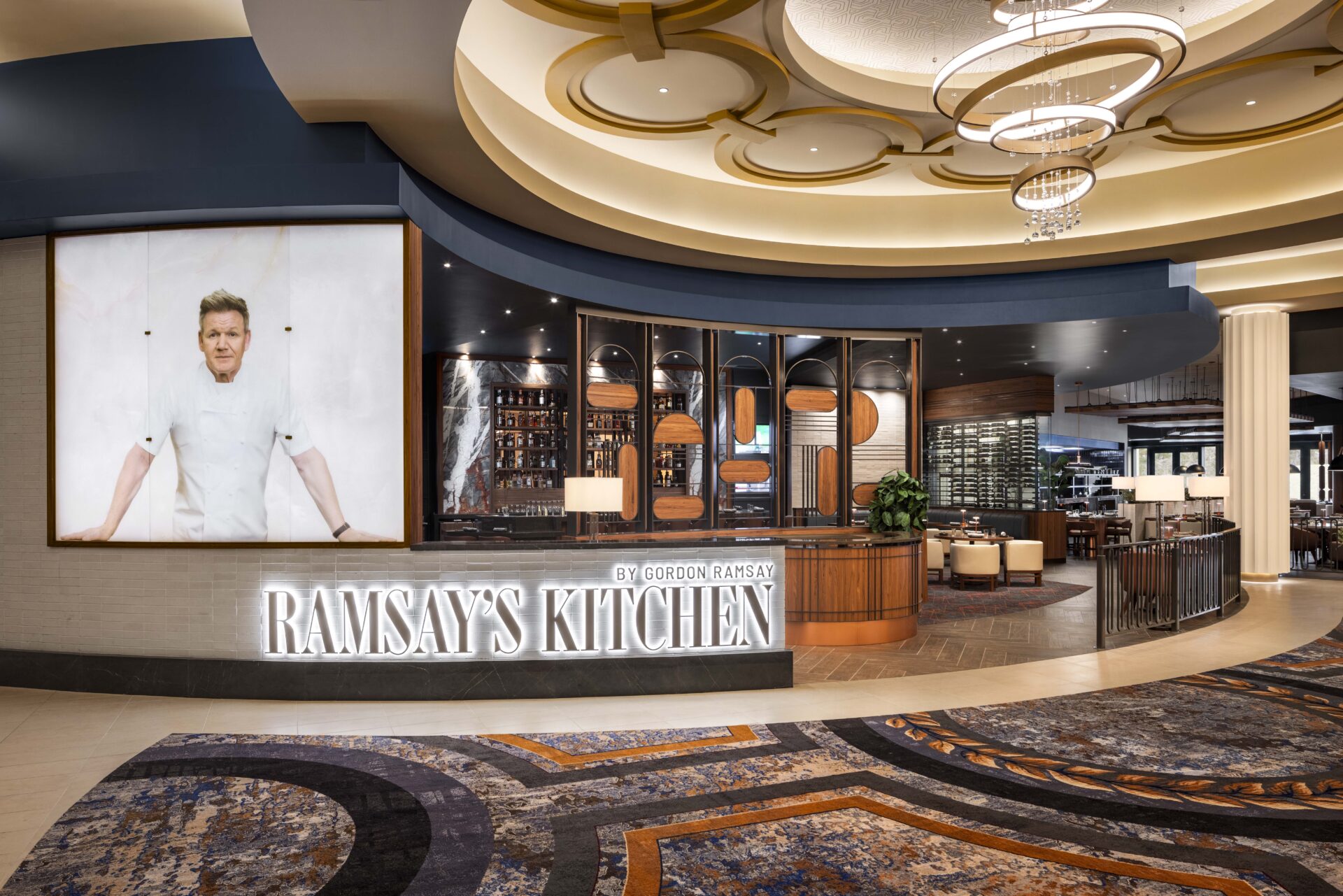
Helmed by celebrity chef Gordon Ramsay, Ramsay’s Kitchen delivers both star power and substance. Set just steps from the action at Caesars Virginia, the restaurant brings an elevated approach to the resort’s dining experience, with a menu inspired by his global travels and anchored by signature dishes like Beef Wellington, lamb chops, and pan-seared branzino. Ramsay’s Kitchen offers planners a built-in, high-profile venue where attendees can unwind and enjoy a standout culinary experience without ever leaving the property.
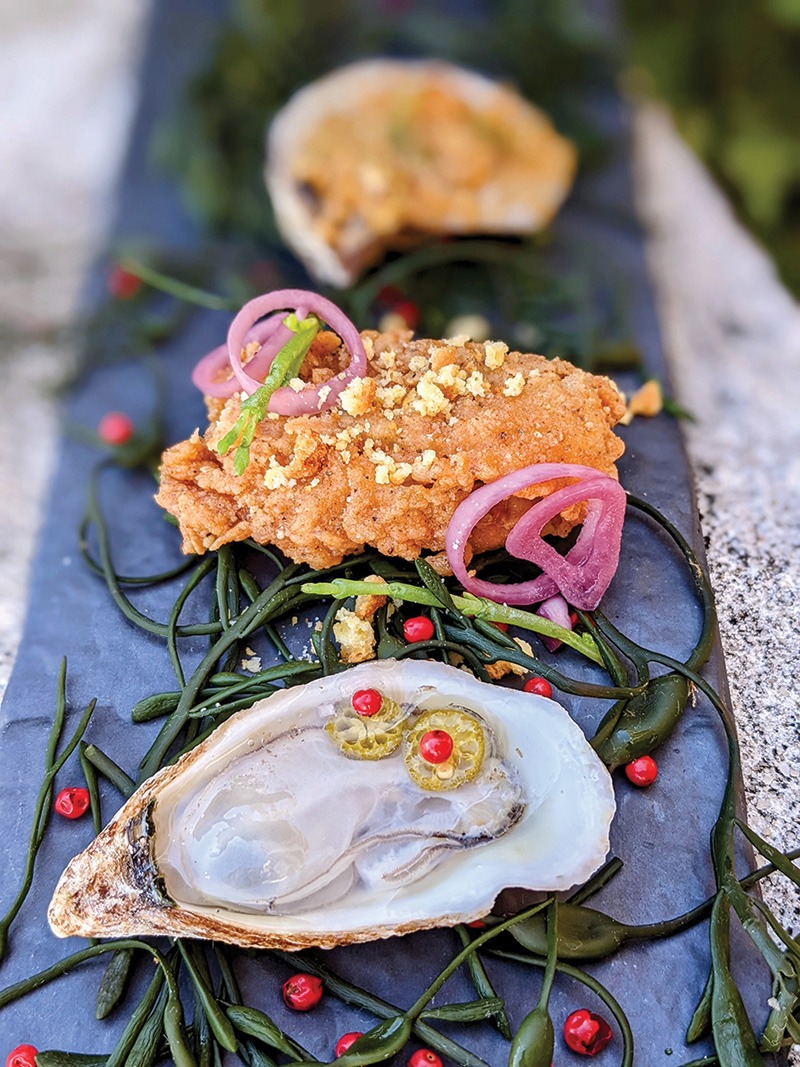
approach to local flavors. Courtesy Wild Dunes Resort
Organic Dining at Southall Farm & Inn
Southall Farm & Inn, a 500-acre wellness retreat in Franklin, Tenn., is a refined, sustainability-driven destination rooted in the evolution of a family farm owned by Paul and Laura Mishkin. As a Green Seal–certified property—also recognized with a MICHELIN Key—it places environmental stewardship at the core of every experience.
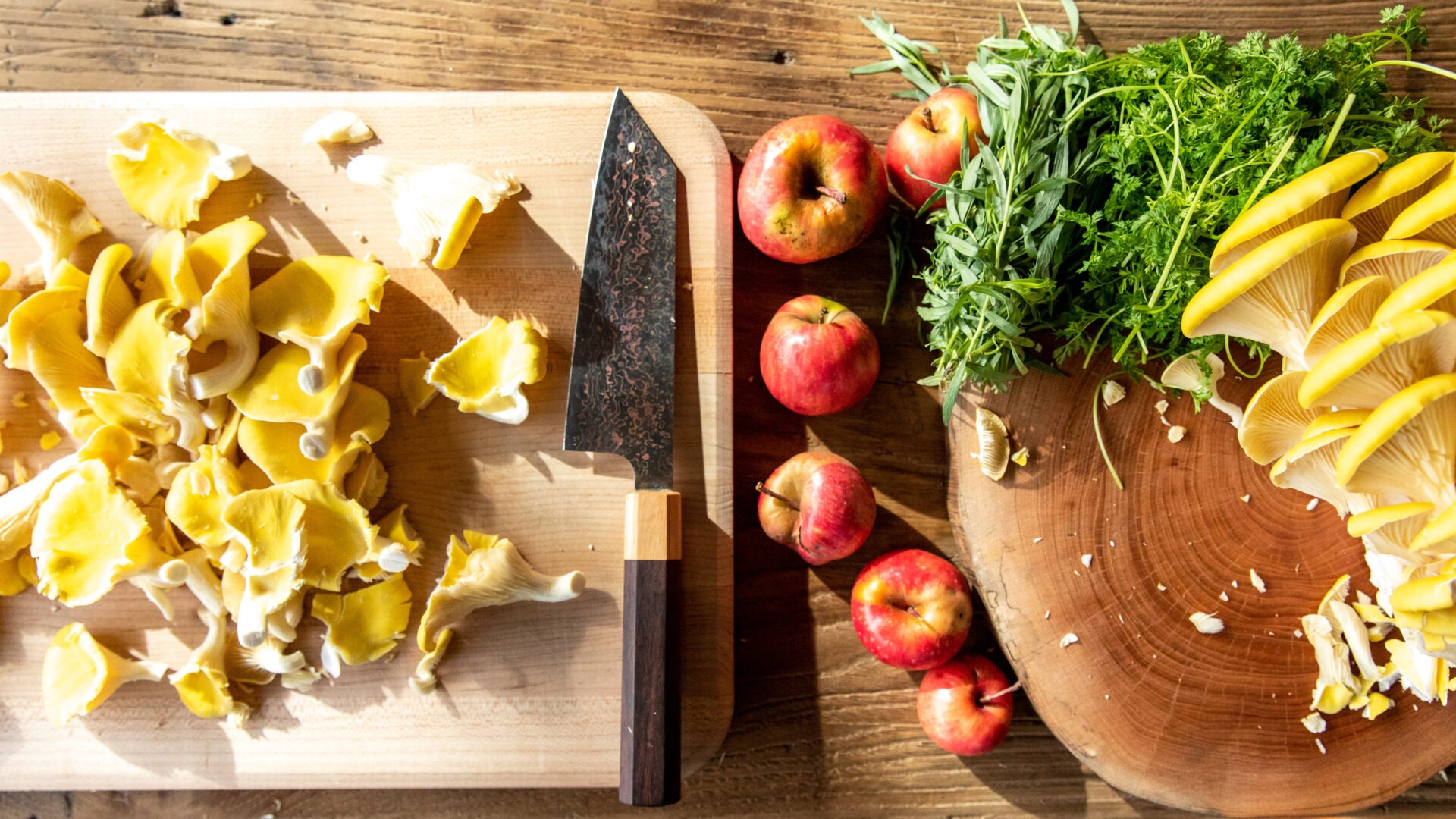
From agriculture to hospitality, Southall operates with a closed-loop philosophy designed to minimize waste and maximize connection to the land. A 5,000-square-foot propagation house and 10,000-square-foot hydroponic greenhouses enable efficient, year-round growth, reducing reliance on external sourcing. Orchards overlooking Lake Mishkin feature thousands of apple trees across dozens of varietals, while terraced, hand-tended kitchen gardens yield heirloom vegetables—both prominently featured in the culinary program. In addition, eight apiaries, home to approximately 140 hives and millions of bees, play a vital role in pollination while also producing award-winning honey—an essential component in maintaining the farm’s natural ecosystem.

Southall’s hyper-seasonal, field-driven culinary philosophy is reflected in menus shaped by organic produce harvested at peak freshness. This approach extends across all dining venues and group experiences. January, the property’s signature restaurant, showcases inventive yet approachable dishes built around locally sourced ingredients, such as lamb belly lettuce wraps, nduja dumplings, and arctic char with strawberry, house-made hot sauce, and lemon balm. In recognition of its sustainable practices, January earned a MICHELIN Green star in 2025. Sojourner offers a more casual, all-day dining format with such options as smoked trout dip, mortadella hoagies, and its signature burger with onion jam, aioli, pickles, and cheddar cheese on a brioche bun. For ingredients not grown on site, the culinary team upholds its commitment to regional sourcing by partnering with Tennessee-based purveyors, such as Bear Creek Farm, Noble Springs Dairy, and Nashville Grown.
Meeting and event groups can enjoy Southall’s intimate, immersive environments, which connect guests directly to the land and its bounty. The Jammery, a marble-clad space accented with copper and lined with house-made preserves, serves as a hub for interactive culinary programming. Here, chef Richard Jones leads workshops, tastings, and teambuilding experiences centered on harvesting and preparing seasonal ingredients. With capacity for up to 24 guests, the setting encourages hands-on engagement, often beginning with a walk through the farm before a chef-led, multi-course tasting of the current week’s harvest.
The Hilltop Pavilion provides another distinctive venue, accommodating up to 50 guests in a secluded setting with sweeping views of the surrounding landscape. Its outdoor kitchen is designed for elevated, fire-driven cooking, adding a rustic yet refined dimension to private events.
Beyond dining, Southall offers a range of curated group activities, many of which highlight its apiary program. Led by expert beekeepers and certified honey sommeliers, experiences range from guided bee walks to immersive tastings at the Apiary Lab, where honey is paired with spirits and explored through its diverse flavor profiles.
By emphasizing direct interaction with farmers, chefs, and artisans, Southall Farm & Inn creates a deeply personal experience. The result is a setting where sustainability, agriculture, and hospitality intersect—offering guests not just a place to gather, but a meaningful connection to the rhythms of the land through food and drink.